The cryptocurrency industry in
2026 is growing at an incredible pace, driven by the rising adoption of digital
assets, Web3 technologies, decentralized finance (DeFi), and institutional
crypto trading. As the market expands, entrepreneurs and enterprises are
actively searching for profitable opportunities to launch crypto exchange
platforms and enter the digital trading ecosystem.
One of the most important
decisions businesses face before launching a trading platform is choosing
between a Bybit Clone Script and building a crypto exchange entirely from
scratch. Both approaches offer unique benefits, but they differ significantly
in development cost, scalability, customization, deployment speed, and
long-term operational efficiency.
A custom-built exchange provides
complete control over the platform architecture and feature development.
However, it often requires substantial investment, large technical teams, and
extended development timelines. In contrast, a Bybit Clone Solution offers a
ready-made exchange ecosystem with advanced trading features already
integrated, allowing businesses to launch faster and scale more efficiently.
The development model a business
chooses can directly impact:
·
Market entry speed
·
User acquisition
·
Platform scalability
·
Revenue generation
·
Security infrastructure
·
Long-term profitability
Understanding the advantages and limitations of both options is essential for making the right business decision in today’s highly competitive crypto market.
Understanding a Bybit Clone Script
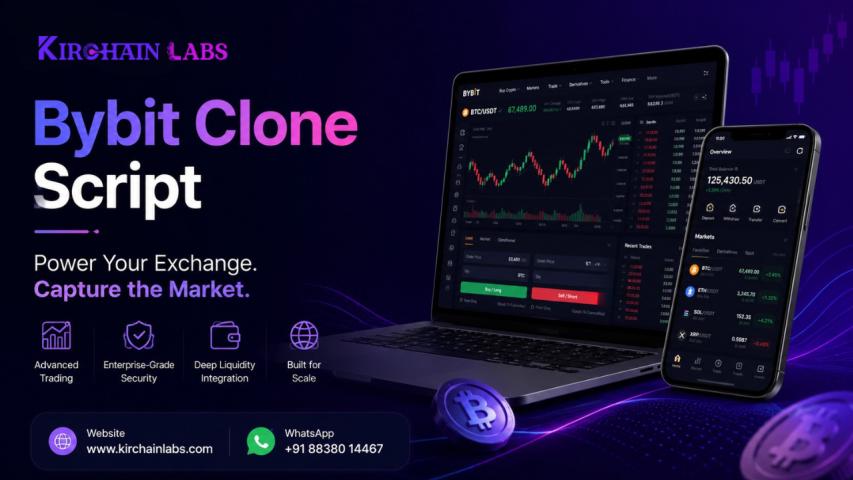
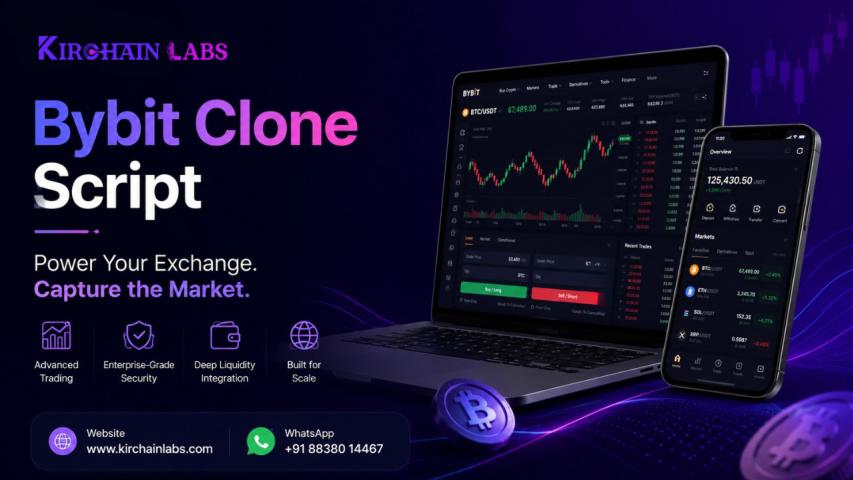
A Bybit Clone Script is a
pre-developed crypto exchange solution inspired by the functionality and
trading experience of leading derivatives trading platforms like Bybit. It
helps startups and enterprises launch a professional crypto trading platform
quickly without building every component from scratch. Instead of independently
developing the entire ecosystem, businesses receive a customizable exchange
platform that can be modified based on their branding, operational goals, and
market requirements.
A modern Bybit-inspired exchange
solution typically includes advanced features such as spot trading, futures and
margin trading, multi-currency wallet integration, liquidity APIs, advanced
charting tools, AI-powered trading functionalities, enterprise-grade security
architecture, user management systems, and admin dashboards. These built-in
capabilities reduce technical complexity while helping businesses accelerate
deployment, improve scalability, and achieve faster market entry in the
competitive crypto exchange industry.
What Does Building a Crypto Exchange from Scratch Involve?
Building a crypto exchange from
scratch means independently developing every component of the platform,
including:
·
Trading engine architecture
·
Wallet infrastructure
·
Security protocols
·
Blockchain integrations
·
Compliance systems
·
Trading APIs
·
Mobile applications
·
UI/UX design
·
Liquidity management systems
While this approach offers
complete customization freedom, it also requires extensive technical expertise
and ongoing infrastructure maintenance.
Custom development often
demands:
·
Blockchain developers
·
Cybersecurity experts
·
DevOps engineers
·
Compliance consultants
·
Large operational budgets
For many startups, the process becomes time-consuming, technically challenging, and financially demanding before the platform even reaches the market.
1. Time-to-Market Comparison
Bybit
Clone Script: Faster Deployment
In the crypto industry, speed
matters. Trends change quickly, and companies that start early typically see an
increase in customer adoption and visibility.
A Bybit Clone Solution allows
businesses to:
·
Reduce development time
·
Launch with pre-integrated systems
·
Start acquiring users faster
·
Adapt quickly to market trends
·
Minimize deployment delays
Most clone-based exchange
platforms can be customized and launched within a relatively short timeframe
compared to custom-built exchanges.
Building
from Scratch: Longer Development Cycles
Developing a custom exchange
requires months or even years of coding, testing, optimization, and
infrastructure planning.
Businesses must independently
create:
·
Matching engines
·
Wallet systems
·
Trading APIs
·
Security frameworks
·
Liquidity infrastructure
Longer development timelines can
delay market entry and increase operational costs.
2. Development Cost Comparison
Clone-Based
Development: Cost-Effective
One of the biggest advantages of
a Bybit Clone Script is affordability. Businesses can significantly reduce
expenses related to:
·
Core infrastructure development
·
Trading engine creation
·
Security implementation
·
Wallet integration
·
UI/UX design
·
Testing and deployment
Instead of spending heavily on
technical architecture, startups can allocate more resources toward marketing,
partnerships, and community growth.
Custom
Development: High Investment
Building a crypto exchange from
scratch requires major investment in development teams, security systems, cloud
infrastructure, compliance tools, and ongoing maintenance.
The overall cost increases
further depending on feature complexity and scalability requirements, making it
difficult for many startups to sustain long-term development.
3. Scalability and Business Growth
Modern Bybit Clone Scripts are
built with a scalable infrastructure that supports:
·
High transaction throughput
·
Cross-chain integration
·
Multi-market expansion
·
AI-powered automation
·
Mobile trading ecosystems
·
Advanced liquidity management
Businesses can expand globally
and upgrade features without rebuilding the entire system architecture.
Custom-built exchanges offer
flexibility but often require extensive optimization and infrastructure
upgrades as trading volume increases, leading to higher maintenance costs and
operational complexity.
4. Features and User Experience
A professional Bybit Clone
Script already includes advanced trading functionalities such as:
·
Spot trading
·
Futures trading
·
Margin trading
·
Copy trading
·
AI market analytics
·
Trading bots
·
Real-time charting tools
·
Multi-currency wallet support
These features create a
professional trading environment that improves user engagement and retention.
Businesses can also integrate:
·
DeFi wallet systems
·
Web3 wallet connectivity
·
Cross-chain asset management
·
Staking services
In contrast, custom development
requires every feature to be independently designed, tested, and optimized,
increasing development time and technical risks.
5. Security and Compliance
One of the most important
aspects of the growth of cryptocurrency exchanges is security. Modern
clone-based exchange solutions include enterprise-grade security features such
as:
·
Two-factor authentication (2FA)
·
Cold wallet integration
·
Anti-phishing protection
·
Multi-signature wallet security
·
DDoS protection
·
Encrypted transactions
These built-in protections help
businesses launch securely while safeguarding user assets and platform data.
Compliance integration is also
becoming increasingly important in global crypto markets. Many Bybit Clone
Scripts support:
·
KYC verification
·
AML monitoring
·
Fraud prevention systems
·
Transaction tracking
This simplifies operational
management and improves regulatory readiness.
6. ROI and Revenue Generation
One of the strongest advantages
of clone-based exchange development is faster return on investment (ROI).
Since Bybit Clone Scripts
require lower development costs and shorter deployment timelines, businesses
can begin generating revenue earlier through:
·
Trading fees
·
Withdrawal charges
·
Futures trading commissions
·
Token listing fees
·
Staking services
·
Premium subscriptions
Custom-built exchanges usually
require longer monetization periods because businesses must first recover large
infrastructure and development investments.
A Quick Comparison of Bybit Clone Script Vs Custom Development
| Subheading | Bybit Clone Script | Building a Crypto Exchange from Scratch |
| Time-to-Market Comparison | Enables faster crypto exchange deployment with pre-built modules and quicker launch readiness. | Requires extensive planning, coding, testing, and infrastructure setup, resulting in longer launch timelines. |
| Development Cost Comparison | Reduces development expenses through ready-made architecture and integrated trading functionalities. | Demands higher investment for blockchain developers, security systems, and infrastructure creation. |
| Time-to-Market | Enables faster crypto exchange deployment with pre-built modules and quicker launch readiness. | Requires extensive planning, coding, testing, and infrastructure setup, resulting in longer launch timelines. |
| Development Cost Comparison | Reduces development expenses through ready-made architecture and integrated trading functionalities. | Demands higher investment for blockchain developers, security systems, and infrastructure creation. |
| Scalability and Business Growth | Supports scalable trading infrastructure with easier upgrades, liquidity expansion, and Web3 integration. | Scalability depends on continuous infrastructure optimization and additional development efforts. |
| Feature Availability and User Experience | Includes advanced features like futures trading, AI tools, copy trading, and multi-currency wallet support. | Every feature must be independently designed, developed, and tested before deployment. |
| Security and Compliance Considerations | Comes with built-in security layers, KYC/AML support, and enterprise-grade protection systems. | Requires separate implementation of security protocols and regulatory compliance frameworks. |
| ROI and Revenue Generation | Faster launch helps businesses generate revenue quickly through trading fees and premium services. | Higher upfront investment and delayed deployment can slow down return on investment. |
| Which Option is Better for Business Growth? | Best suited for startups and businesses seeking faster growth, scalability, and lower operational risk. | Suitable for enterprises requiring complete customization and an independent exchange architecture. |
Future of Crypto Exchange Development
The future of crypto trading platforms is evolving
toward:
- AI-powered trading systems
- Cross-chain interoperability
- Decentralized finance integration
- Tokenized real-world assets
- Web3 identity verification
- Institutional trading infrastructure
Businesses that adopt scalable, flexible exchange
ecosystems early will gain stronger competitive advantages in the evolving
blockchain economy.
Final Thoughts
Launching a crypto exchange in 2026 requires more
than just technical development; it demands scalability, speed, security, and
sustainable business growth.
While building a crypto exchange from scratch
offers full customization, it also involves higher costs, longer development
timelines, and increased operational complexity. A Bybit Clone Script provides
a faster, more cost-effective alternative with advanced trading features,
enterprise-grade security, liquidity integration, and scalable infrastructure
already in place.
For startups and businesses looking to enter the
crypto market efficiently while maintaining long-term growth potential,
clone-based exchange solutions offer a practical and future-ready approach to
building successful digital trading ecosystems.
Frequently Asked Questions
1.
What is a Bybit Clone Script?
A Bybit Clone Script is a
ready-made crypto exchange solution designed with advanced trading features
like spot trading, futures trading, liquidity integration, wallet support, and
security systems. It helps businesses launch a crypto exchange faster without
building the platform from scratch.
2. Is
a Bybit Clone Script better than building a crypto exchange from scratch?
For most startups and growing
businesses in 2026, a Bybit Clone Script is a more practical option because it
reduces development time, lowers costs, and provides faster market entry with
pre-built trading features and scalable infrastructure.
3. How
long does it take to launch a crypto exchange using a Bybit Clone Script?
A Bybit Clone Script can usually
be customized and launched within a much shorter timeframe compared to custom
development. The exact timeline depends on feature customization, security
integration, and business requirements.
4.
What essential features should a modern crypto exchange platform include?
A competitive crypto exchange
should include high-speed trade execution, multi-layer security, liquidity
integration, futures trading, AI-powered trading tools, multi-currency wallet
support, mobile accessibility, and compliance systems like KYC and AML
verification.
5. How
can a Bybit Clone Exchange generate revenue in 2026?
A Bybit Clone Exchange can
generate revenue through trading fees, withdrawal charges, futures trading
commissions, staking services, token listing fees, premium memberships, and
other monetization strategies. Businesses can explore this further in the next
guide: “How to Monetize a Bybit Clone Exchange Platform: Top 11 Revenue Models
That Work in 2026.”