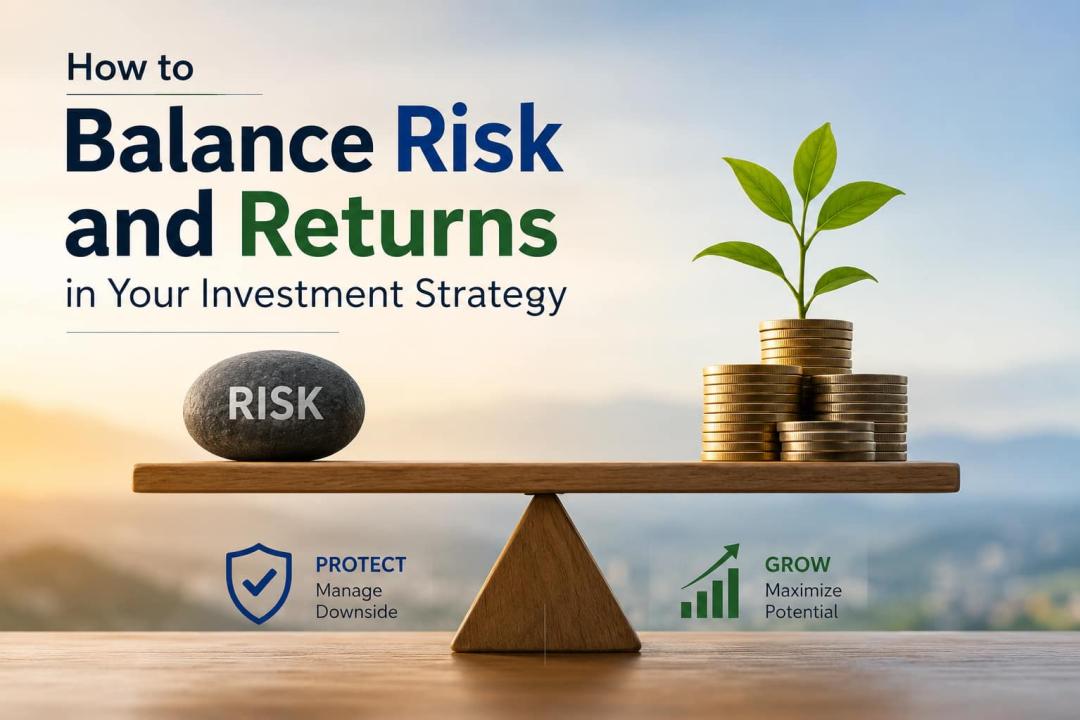
As investors seek guidance from an Investment Advisor Dubai while planning for long-term financial growth, understanding how to balance risk and returns has become one of the most important parts of successful investing. Every investment decision involves some level of risk, and while higher returns may appear attractive, they often come with greater uncertainty. The challenge for most investors is finding the right balance between protecting financial stability and creating opportunities for growth.
A well-balanced investment strategy does not focus only on maximizing profits. Instead, it aims to create steady financial progress while managing risks carefully over time. In changing financial markets, disciplined planning and realistic expectations often lead to more sustainable long-term results.
Understanding the Relationship Between Risk and Return
Risk and return are closely connected in investing. Generally, investments with higher potential returns also carry higher levels of risk. Lower-risk investments may provide more stability, but they often generate slower growth.
Understanding this relationship helps investors make more informed decisions rather than chasing unrealistic returns or avoiding investments entirely out of fear. Every individual has different financial goals, responsibilities, and comfort levels with risk, which is why investment strategies should always be personalized.
A balanced approach focuses on achieving financial growth without taking unnecessary risks that could create long-term financial stress.
Defining Your Financial Goals
Before making investment decisions, it is important to identify clear financial goals. Some individuals invest for retirement, while others focus on education planning, wealth preservation, property purchases, or generating passive income.
Clear goals help determine how much risk may be appropriate within an investment strategy. For example, someone investing for long-term retirement goals may have a different risk tolerance compared to someone saving for short-term financial needs.
Defined financial objectives create direction and help investors remain focused during periods of market uncertainty.
Understanding Personal Risk Tolerance
Every investor reacts differently to market fluctuations. Some people are comfortable with temporary losses if long-term growth potential remains strong, while others prefer more stable investments even if returns are lower.
Understanding personal risk tolerance is essential when building a balanced investment strategy. Choosing investments that create constant anxiety or emotional stress can lead to impulsive decisions during market downturns.
Risk tolerance often depends on factors such as age, income stability, financial responsibilities, investment experience, and future goals. A realistic understanding of emotional and financial comfort levels helps investors make more sustainable decisions.
The Importance of Diversification
Diversification is one of the most effective ways to balance risk and returns. Instead of relying heavily on one investment type, diversification spreads investments across different assets, industries, or financial opportunities.
This strategy helps reduce the impact of poor performance in any single area. If one investment declines, others may remain stable or continue growing, helping create greater overall balance.
Diversification does not remove all risk, but it helps create more consistent long-term performance and reduces the likelihood of significant financial setbacks from a single investment decision.
Maintaining a Long-Term Perspective
One of the biggest mistakes investors make is focusing too heavily on short-term market movements. Financial markets naturally experience periods of growth and decline, and reacting emotionally to every fluctuation can disrupt long-term financial progress.
Successful investors often maintain a long-term perspective even during uncertain market conditions. They understand that temporary volatility does not always reflect long-term investment value.
Patience and consistency are important when balancing risk and returns. Long-term strategies usually perform more effectively when investors avoid impulsive decisions based on fear or excitement.
Avoiding Overly Aggressive Strategies
While the possibility of high returns can be appealing, overly aggressive investment strategies may expose investors to unnecessary risks. Some individuals invest heavily in high-risk opportunities without fully understanding the potential consequences.
A balanced investment strategy focuses on sustainable growth rather than quick financial gains. Taking excessive risks may lead to significant losses that are difficult to recover from financially or emotionally.
Careful planning and realistic expectations often create more stable and manageable long-term results.
Reviewing Investments Regularly
Investment strategies should not remain completely unchanged over time. Market conditions, personal goals, income levels, and financial responsibilities may all evolve, making regular reviews important.
Periodic investment reviews help investors evaluate whether their portfolio still aligns with their goals and risk tolerance. Adjustments may be necessary to maintain balance as financial circumstances change.
Regular reviews also encourage more disciplined financial management and reduce the chances of drifting away from long-term objectives.
Keeping Emergency Savings Separate
Investors should avoid depending entirely on investments for immediate financial needs. Market fluctuations can temporarily reduce investment values, making it risky to rely on investment accounts during emergencies.
Maintaining separate emergency savings provides financial stability and allows investors to keep long-term strategies intact during uncertain periods. Emergency funds reduce pressure to sell investments during unfavorable market conditions.
This separation between emergency savings and long-term investments supports greater financial confidence and stability.
Managing Emotions During Market Changes
Emotional decision-making can significantly affect investment performance. Fear during market declines and excitement during rapid growth often lead to poor financial choices.
Some investors panic and sell during downturns, while others invest impulsively during periods of strong market hype. Both reactions can disrupt balanced financial planning.
Successful investing requires discipline and emotional control. Investors who remain calm and focused on long-term goals are often better positioned to manage both risks and opportunities effectively.
The Value of Professional Guidance
Balancing risk and returns can sometimes feel complicated, especially for individuals managing multiple financial goals and responsibilities. Professional financial guidance can help investors build strategies that align with both growth objectives and risk tolerance.
Experienced advisors often provide structured planning, market insights, and personalized recommendations designed to support long-term financial stability. Their guidance can help investors avoid common mistakes while maintaining more disciplined investment habits.
As financial markets continue changing globally, many individuals seeking stronger financial stability and balanced investment strategies also rely on experienced support from a trusted Financial Consultant Dubai while building long-term plans designed to manage risk carefully and support sustainable financial growth.