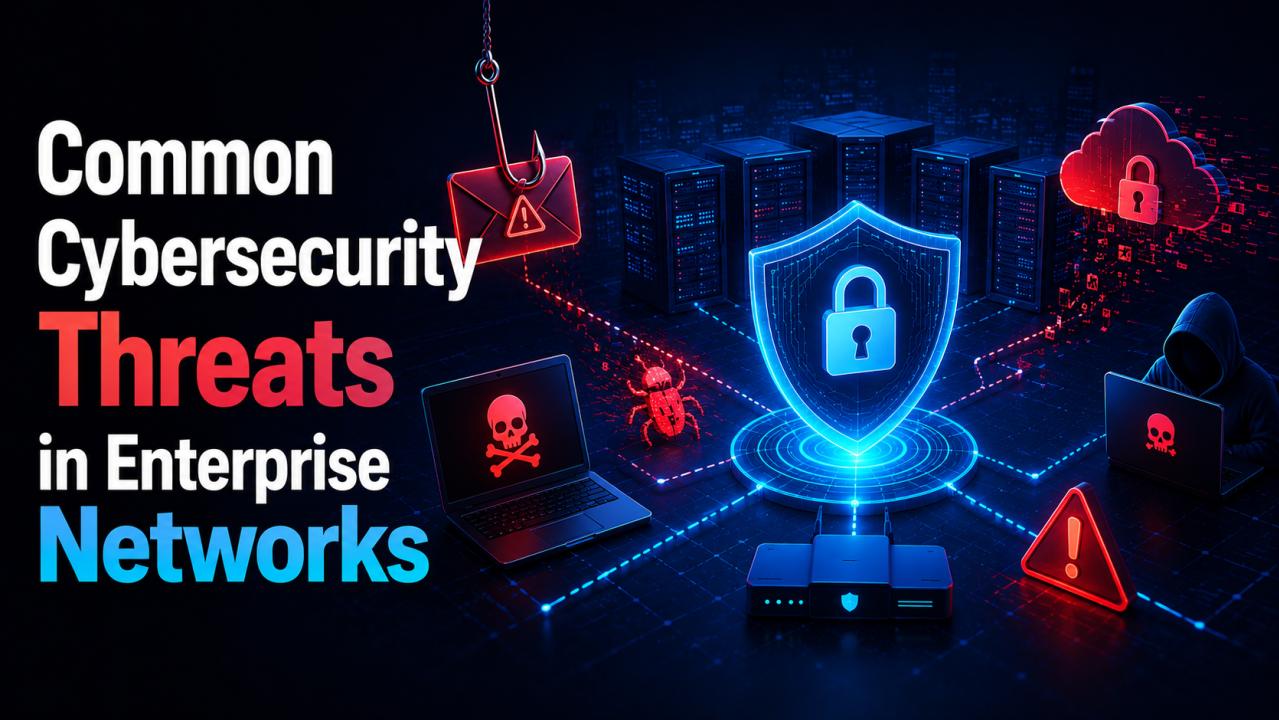
Enterprise networks are becoming increasingly complex as organizations adopt cloud computing, hybrid infrastructures, remote work models, and connected applications. While digital transformation improves operational efficiency and scalability, it also introduces new cybersecurity risks. Modern businesses face a wide range of cyber threats that can compromise sensitive data, disrupt operations, and damage organizational reputation.
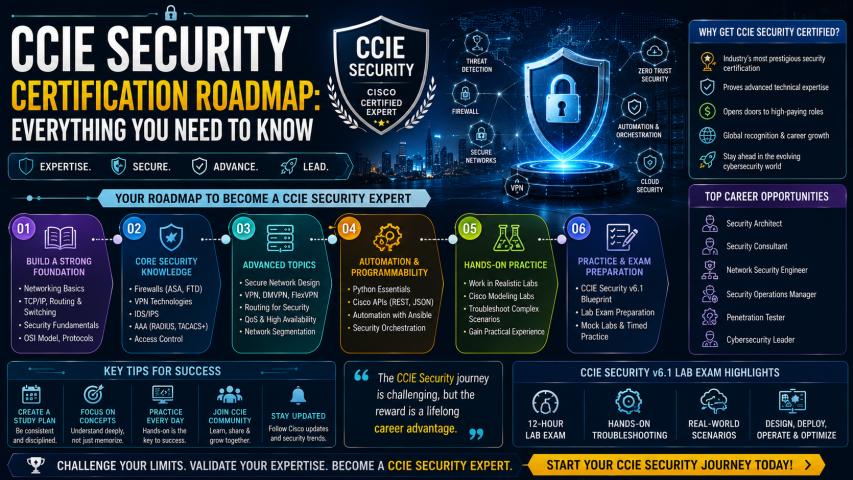
Many IT professionals strengthen their enterprise security expertise through structured CCIE Security Training programs that focus on advanced network protection, threat detection, and enterprise cybersecurity strategies.
Understanding Cybersecurity Threats in Enterprise Networks
Cybersecurity threats are malicious activities designed to exploit vulnerabilities in systems, applications, or network infrastructures. These threats can originate from external attackers, insider misuse, or automated attack tools.
Why Enterprise Networks Are Frequently Targeted
Enterprise networks are attractive to cybercriminals because they contain:
Confidential business information
Financial records
Customer data
Intellectual property
Access to critical services and systems
Large organizations also manage extensive infrastructures with multiple devices, cloud services, and remote users, increasing the potential attack surface.
Malware Attacks in Enterprise Environments
Malware continues to be one of the most widespread cybersecurity threats affecting enterprise networks.
What Is Malware?
Malware is malicious software created to damage systems, disrupt operations, or gain unauthorized access.
Common Types of Malware
Viruses
Worms
Trojans
Spyware
Adware
Ransomware
Impact of Malware on Enterprises
Malware infections can result in:
Data theft
System downtime
Financial losses
Reduced productivity
Compromised business operations
Ransomware Threats
Ransomware attacks have become increasingly sophisticated in recent years.
How Ransomware Works
Attackers encrypt files or systems and demand payment in exchange for restoring access.
Common Entry Points
Phishing emails
Vulnerable applications
Remote desktop exploitation
Infected downloads
Business Impact
Ransomware can lead to:
Operational disruption
Data unavailability
Reputation damage
Compliance issues
Phishing and Social Engineering Attacks
Human-focused attacks remain highly effective against organizations.
Understanding Phishing Attacks
Phishing involves fraudulent communication intended to deceive users into revealing sensitive information.
Social Engineering Techniques
Attackers may use:
Fake emails
Impersonation tactics
Fraudulent websites
Manipulative phone calls
Risks to Enterprises
Successful phishing attacks can result in:
Credential theft
Financial fraud
Malware installation
Unauthorized access
Insider Threats in Organizations
Not all cybersecurity threats originate from external attackers.
Types of Insider Threats
Malicious employees
Negligent staff members
Compromised internal accounts
Common Risks
Insider threats may lead to:
Data leaks
Unauthorized access
System sabotage
Confidential information exposure
Distributed Denial-of-Service (DDoS) Attacks
DDoS attacks aim to overwhelm systems and disrupt services.
How DDoS Attacks Operate
Attackers flood networks or servers with massive amounts of traffic to exhaust system resources.
Consequences of DDoS Attacks
Website outages
Slow network performance
Service disruption
Revenue loss
Advanced Persistent Threats (APTs)
APTs are sophisticated cyberattacks that remain hidden while maintaining long-term access to targeted systems.
Characteristics of APTs
Continuous monitoring by attackers
Sophisticated attack methods
Long-term unauthorized access
Typical Objectives
Intellectual property theft
Espionage
Data extraction
Infrastructure compromise
Man-in-the-Middle (MITM) Attacks
MITM attacks occur when attackers intercept communication between systems or users.
Common MITM Techniques
Session hijacking
Wi-Fi eavesdropping
DNS spoofing
Potential Risks
Credential theft
Data interception
Unauthorized data modification
Credential-Based Attacks
Passwords and credentials remain common targets for cybercriminals.
Common Credential Attack Methods
Brute force attacks
Credential stuffing
Password spraying
Why Credential Attacks Are Dangerous
Compromised credentials can provide attackers with direct access to enterprise systems and sensitive information.
Cloud Security Threats
Cloud adoption introduces additional cybersecurity concerns.
Common Cloud Risks
Misconfigured cloud storage
Weak identity management
Insecure APIs
Unprotected workloads
Security Challenges in Multi-Cloud Environments
Maintaining consistent security policies across multiple cloud platforms can be challenging.
Endpoint Security Threats
Endpoints are often the primary entry point for cyberattacks.
Commonly Targeted Endpoints
Laptops
Smartphones
Servers
IoT devices
Why Endpoint Security Matters
Compromised endpoints can provide attackers with access to internal enterprise networks.
Zero-Day Vulnerabilities
Zero-day attacks exploit vulnerabilities before vendors release security patches.
Why Zero-Day Attacks Are Dangerous
No immediate fix available
Difficult to detect
Often used in targeted attacks
Enterprise Impact
Zero-day exploits can compromise systems before organizations have time to implement defenses.
Network Misconfiguration Risks
Improper configurations create serious security vulnerabilities.
Common Configuration Errors
Open ports
Weak firewall policies
Excessive user permissions
Unsecured services
Importance of Proper Configuration Management
Regular audits and policy reviews help reduce security gaps caused by misconfigurations.
API Security Threats
APIs are critical for modern applications but also create potential attack vectors.
Common API Security Risks
Broken authentication
Injection attacks
Excessive data exposure
Insecure endpoints
Why API Security Matters
Insecure APIs can expose sensitive enterprise data and applications.
IoT and Connected Device Threats
Connected devices expand enterprise network attack surfaces.
Risks Associated with IoT Devices
Weak authentication
Unpatched firmware
Insecure communication protocols
Enterprise Security Concerns
Poorly secured IoT devices can become entry points for attackers.
Strategies to Reduce Cybersecurity Risks
Organizations should implement layered security measures to minimize exposure to cyber threats.
Essential Security Best Practices
Enable multi-factor authentication
Use network segmentation
Apply regular software updates
Monitor network traffic continuously
Restrict unnecessary access privileges
Importance of Security Monitoring
Continuous monitoring improves visibility and accelerates threat detection.
Security Technologies Used
SIEM platforms
Intrusion detection systems
Endpoint detection tools
Threat intelligence platforms
Benefits of Continuous Monitoring
Faster threat response
Improved visibility
Reduced incident impact
Role of Employee Security Awareness
Human awareness remains essential for enterprise security.
Areas Covered in Security Training
Recognizing phishing attempts
Password management
Secure browsing habits
Incident reporting procedures
Future Trends in Enterprise Cybersecurity Threats
Cyber threats continue evolving alongside modern technologies.
Emerging Threat Trends
AI-powered cyberattacks
Cloud-native threats
Supply chain compromises
Attacks targeting remote workers
Importance of Enterprise Security Expertise
Modern cybersecurity requires both technical knowledge and practical security experience.
Skills Needed in Enterprise Security
Threat analysis
Network security design
Security operations
Incident response
Risk assessment
Conclusion
Enterprise networks face a wide range of cybersecurity threats, including malware, ransomware, phishing attacks, insider threats, and cloud security risks. As enterprise infrastructures continue expanding, organizations must adopt proactive security strategies to protect systems, applications, and sensitive data.
Developing advanced expertise through structured CCIE Security programs can help professionals better understand modern cyber threats and implement effective enterprise security solutions in increasingly complex digital environments.