Access to clean drinking water depends on more than just supply. Water quality varies by location, source, and storage conditions. This is why selecting the right water purification method is important for every home. A system that works well in one area may not be suitable in another. By understanding your water quality and household needs, you can make a practical and informed choice.
Step 1: Check Your Water Source
Start by identifying your primary water source. Most homes rely on municipal supply, borewell water, or tanker deliveries. Each source affects water quality differently, which directly influences the type of Water Purification method required for safe use.
Municipal water is treated but may still carry chlorine or minor impurities. Borewell water often has high dissolved salt content and hardness, while tanker water quality varies. Knowing your source helps narrow down the most suitable purification system for your home.
Step 2: Test Your Water Quality
Testing your water helps identify the type of impurities present. You can use a home testing kit or a certified lab for accurate results. This step ensures your system is chosen based on actual data rather than assumptions.
Total Dissolved Solids (TDS) is a key indicator of water quality. High TDS suggests excess salts or minerals, and tests may also reveal the presence of microbes or chemicals. Without testing, you risk selecting a system that does not address the real issue.
Step 3: Match Contaminants to the Right Technology
Once you know what is present in your water, the next step is to match those contaminants with the right purification method.
High TDS: Requires RO systems to remove dissolved salts and minerals effectively
Microbial Contamination: Requires UV purification to neutralize bacteria and viruses
Suspended Particles: Requires UF systems to filter sediments and visible impurities
Chlorine and Odor: Requires carbon filters to improve taste and remove chemicals
This mapping ensures your system targets the actual issue rather than offering partial treatment.
Step 4: Understand Key Purification Technologies
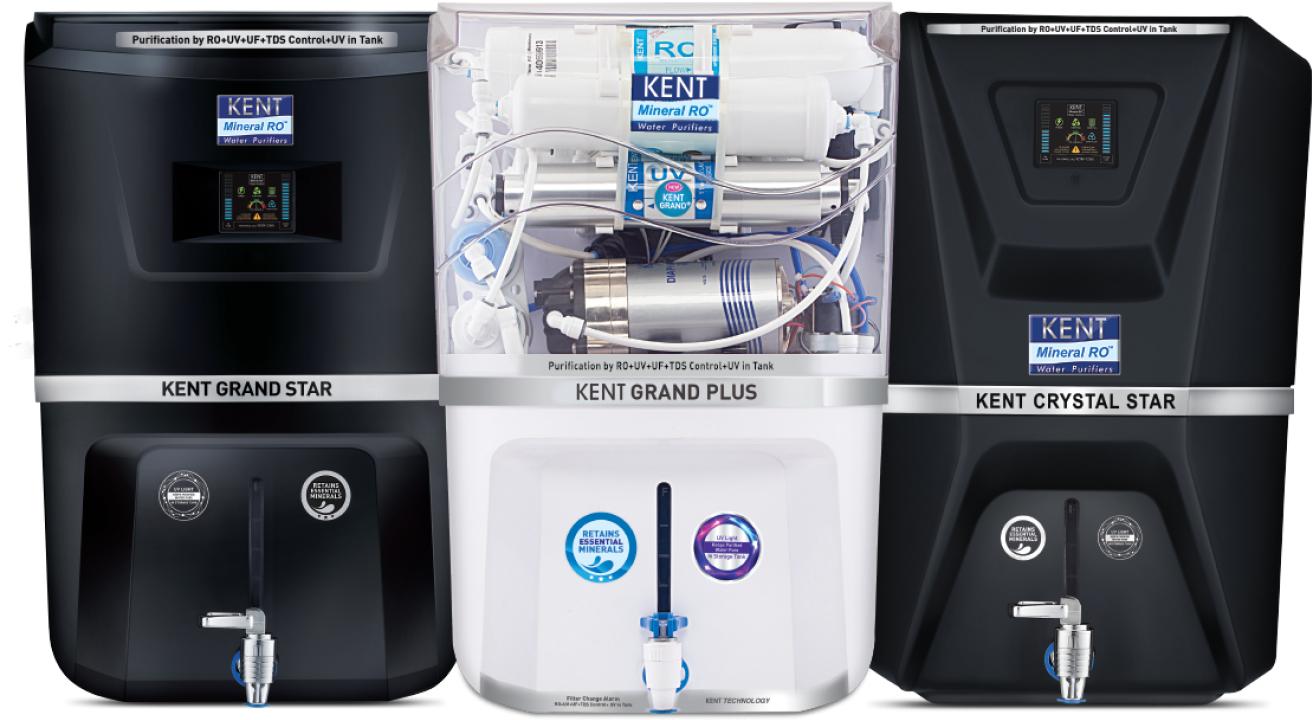
Each purification method works differently and serves a specific purpose. Understanding these basics helps you choose the right system. Many options for the best water purifier in India combine technologies to effectively handle different types of contaminants.
RO removes dissolved impurities, UV kills microorganisms, and UF filters suspended particles. Carbon filters improve taste by removing chemicals. Knowing how these systems function helps you make a more informed decision rather than relying solely on product features.
Step 5: Consider Practical Factors at Home
Your daily usage and home setup also influence your choice. These practical factors help you decide what will work consistently in your environment.
Water Consumption: Choose capacity based on daily household needs
Electricity Availability: Check if your area has frequent power cuts
Space for Installation: Ensure the purifier fits your kitchen layout
Maintenance Access: Look for ease of servicing and filter replacement
Considering these points ensures that your purifier fits smoothly into your routine.
Step 6: Evaluate Cost and Long-Term Use
The cost of a purifier includes both the initial price and ongoing maintenance. Looking at long-term usage helps you avoid unexpected expenses later.
Initial Cost: Compare upfront pricing across different technologies
Filter Replacement: Check how often filters need to be changed
Maintenance Charges: Review annual servicing costs and availability
Balancing these factors helps you choose a system that is cost-effective over time.
Must Read: The Environmental Impact of Vacuum Cleaners and Energy Efficiency Tips
Step 7: Choose the Right Combination System
In many homes, water may contain multiple types of impurities. In such cases, a single purification method may not be enough.
Mixed Contamination: Use combination systems for multiple impurities
Uncertain Water Quality: Choose multi-stage purification for safety
Urban Usage: Opt for systems that handle both chemical and biological risks
When selecting the best water purifier in India, focus on systems that match your water test results rather than choosing based on features alone.
Conclusion
Choosing the right water purifier depends on understanding your water source, testing its quality, and matching it with the correct technology. Practical factors like usage, cost, and maintenance also play a role. A well-informed decision ensures safe and reliable drinking water without unnecessary expense.