So you've launched your Shopify store, and things are moving along. Orders are coming in, you've got products listed, and your branding is looking sharp. But somewhere around the three-month mark, you start hitting walls. The apps you installed from the Shopify App Store are overlapping, slowing your site down, and still not doing exactly what you need. Sound familiar?
This is one of the most common frustrations for growing eCommerce businesses. And the fix is not always adding another plugin. Sometimes, what your store really needs is a custom-built solution tailored to how your business actually runs.
This guide breaks down what Shopify app development really means, why it matters for scaling, and how to make smart decisions from the moment you set up Shopify store all the way through to building bespoke functionality that separates you from the competition.
Why Generic Apps Stop Working as You Grow
The Shopify App Store has over 6,000 apps. That sounds like more than enough options. But here is the reality: those apps are built for the average store. Your store is not average.
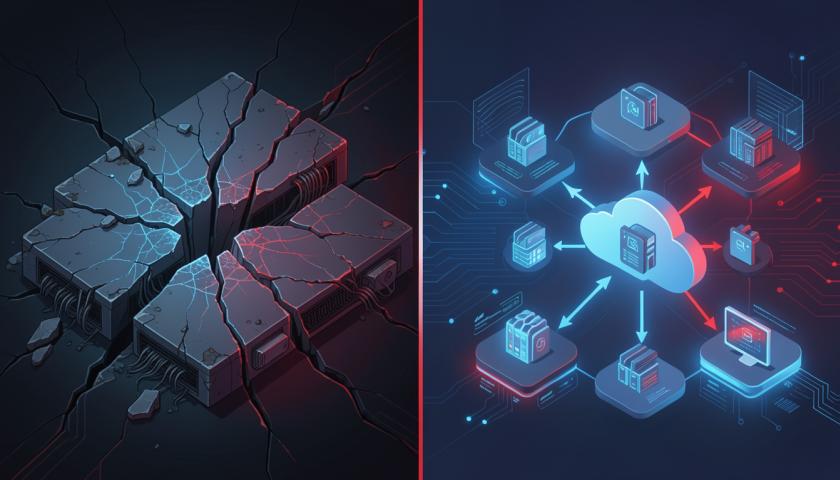
When you are running a business with specific workflows, unique customer journeys, or non-standard fulfillment processes, off-the-shelf apps create friction. You end up paying monthly fees for five different tools that each do 70% of what you need, none of which talk to each other properly.
Custom Shopify app development solves this by building one cohesive solution around your exact operations. You get full data ownership, cleaner performance, and no recurring SaaS subscription stacking up month after month.
According to Shopify's official developer documentation, custom apps can access the full range of Shopify Admin APIs, giving developers deep control over products, orders, customers, billing, and more. This level of access is simply not possible through standard app installs.
What Is a Shopify App Development Agency and What Do They Actually Do
A Shopify app development agency is a team of developers who specialize in building custom applications that integrate directly with your Shopify store. Rather than handing you a ready-made product, they take your business requirements and engineer a solution from scratch.
This typically includes:
Custom Private Apps built exclusively for your store. These handle things like custom pricing logic, bespoke inventory rules, or internal dashboards that your team uses daily.
Public App Development for merchants who want to build and list an app on the Shopify App Store, either as a product in itself or to offer their solution to others in their niche.
Shopify Functions are backend logic extensions that let you customize how Shopify processes discounts, shipping, and payment options at a deep level.
Mobile App Development for merchants who want a dedicated branded shopping app for their customers on iOS and Android.
Data Migration when moving from another platform like Magento or WooCommerce, ensuring your product data, customer records, and order history transfer cleanly without downtime.
A good agency does not just write code. They map your workflows, prototype the experience, build with an agile process, and document everything so your team can manage it confidently after launch.
The Right Time to Think About Custom Development
Not every store needs custom app development from day one. If you are just starting out, the native Shopify features and a handful of well-chosen apps will get you far. But there are clear signs that you have outgrown that phase.
You know it is time to invest in custom development when your team spends significant time working around your tools rather than with them. When your site speed is suffering because of too many third-party scripts. When you need a feature that simply does not exist in any available app. When you are managing integrations between your store, your ERP, your CRM, and your logistics provider through a tangle of Zapier workflows.
At that point, custom development is not a luxury. It is a competitive necessity.
How to Set Up Shopify Store the Right Way Before Scaling
Before custom development even enters the picture, the foundation matters. If you set up Shopify Store with SEO and performance in mind from the beginning, you save yourself significant rework later.
A few things that make a real difference at the setup stage:
Your URL structure should be clean and logical. Shopify auto-generates URLs for collections and products, but you can and should customize them to reflect natural keyword patterns.
Your theme should be lightweight. Shopify's native themes are well-optimized, but many third-party themes come loaded with unnecessary scripts. A slow theme compounds every other performance issue you will face later.
Metadata, image alt text, and structured data should be set up from the start. These are not just SEO considerations. They also affect how your products appear in Google Shopping and in AI-generated search overviews.
Your payment gateway, tax settings, and shipping zones should be configured accurately before any traffic hits the store. Errors in these areas are far more costly to fix after customers have already experienced them.
Getting the setup right creates a stable base that custom apps and integrations can build on without creating technical debt.
Shopify SEO and App Performance: They Are Connected
Here is something that does not get discussed enough. The apps you install directly affect your SEO performance. Every app that injects scripts into your storefront adds to your page load time. And page speed is a confirmed Google ranking factor.
Custom-built apps, when developed properly, are leaner. They load only what is needed, when it is needed. They do not carry the bloat of features you are not using just because they were included in a SaaS product built for every merchant.
When a custom app handles your loyalty program, your reviews, and your upsell logic as integrated functionality rather than three separate third-party scripts, your Core Web Vitals improve. And that improvement directly supports your organic rankings.
This is why businesses that are serious about long-term SEO growth eventually move toward custom development. It is not about chasing a trend. It is about building infrastructure that supports both user experience and search performance simultaneously.
What to Look For in a Shopify App Development Partner
Choosing the right development partner is where a lot of businesses go wrong. The cheapest option rarely delivers the outcome you need, and the most expensive does not automatically mean the best fit.
Look for a team that demonstrates genuine expertise in the Shopify ecosystem specifically. General web development skills are not enough. Shopify has its own API architecture, its own app review process for public apps, and its own set of technical constraints that only emerge with hands-on experience.
Ask about their process. A trustworthy agency will have a clear discovery phase where they understand your business before writing a single line of code. They will prototype before building. They will test rigorously before deploying. And they will hand over documentation so you are not dependent on them for every future change.
Look for transparency in communication. Agile development works best when you are kept in the loop regularly, with clear milestones and honest updates when timelines shift.
Finally, look for full code ownership. Some agencies retain intellectual property rights over the code they write. That is a significant risk. You should own everything that is built for your store.
Conclusion
Growing a Shopify store past the early stages requires more than great products and a good-looking theme. It requires infrastructure that matches your actual operations. Custom Shopify app development gives you that infrastructure without the compromises that come from forcing generic tools into specific workflows.
Whether you are revisiting how you initially set up Shopify stores, looking to reduce your app subscription overhead, or ready to build something entirely bespoke, the path forward is the same: invest in solutions built around your business, not the other way around.
The stores that scale sustainably are the ones where the technology serves the operation, quietly and efficiently, without friction. That is what good custom development delivers.
Frequently Asked Questions
What is Shopify app development and do I actually need it?
Yes, you need it when generic apps no longer match your workflows, slow your site down, or cannot integrate cleanly with your existing systems.
How much does it cost to hire a Shopify app development agency?
Costs typically range from a few hundred dollars for simple private apps to thousands per month for full-scale enterprise builds, depending on complexity.
How long does it take to build a custom Shopify app?
Simple apps take two to four weeks, while more complex builds with multiple integrations usually require six to twelve weeks.
Can a custom Shopify app replace multiple third-party subscriptions?
Yes, a single purpose-built app can consolidate several tools, reducing monthly costs, improving site speed, and eliminating messy integration issues.
Will a custom Shopify app work after Shopify updates its platform?
Yes, as long as it was built using Shopify's official APIs and a good agency will support you through any updates that require changes.