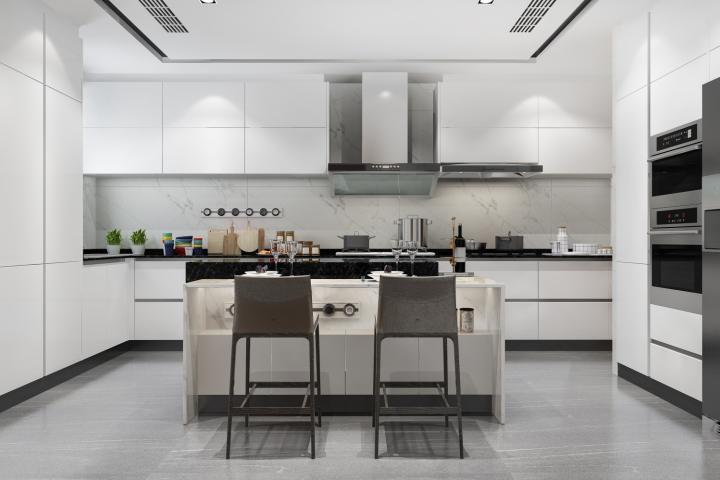
Row homes are a big part of Maryland's housing story. From Baltimore to Silver Spring, thousands of families live in these narrow, attached homes that were built decades ago. They have charm, history, and character. But they also have tight kitchens. The kind where two people can barely pass each other without bumping into the countertop. The good news is that kitchen renovation services in MD have come a long way in solving exactly this problem. Today, local contractors and designers understand the unique layout challenges of row homes and know how to make a small kitchen feel open, functional, and surprisingly spacious.
Why Row Home Kitchens Feel So Cramped
Most row homes were built in the late 1800s or early 1900s. Back then, kitchens were just working spaces, not gathering spots. They were placed at the back of the home, cut off from the rest of the living area, and built with little concern for natural light or flow.
The result? Dark, boxy kitchens with low ceilings, minimal counter space, outdated layouts, and walls that close in on you. When modern families try to cook, entertain, and live in these spaces, it quickly becomes frustrating.
Knocking Down Walls the Smart Way
One of the most effective changes a renovation team can make is removing or opening up a non-load-bearing wall between the kitchen and the adjacent dining or living area. This single step can completely change how a space feels.
When the wall comes down, natural light flows more freely, sightlines open up, and the kitchen no longer feels like a separate box. An open-concept layout does not add square footage, but it makes the brain perceive the space as much larger. Contractors in Maryland know which walls are safe to remove and which ones require structural support, so this is never a guessing game.
Strategic Use of Cabinetry and Storage
In small kitchens, clutter is the enemy. When countertops are covered and cabinets are overflowing, even a well-designed space feels chaotic. Smart renovation teams focus heavily on storage solutions that keep everything organized and out of sight.
This includes floor-to-ceiling cabinetry, pull-out shelves, deep corner units with lazy Susans, and custom drawer inserts. When everything has a place and surfaces stay clear, the kitchen instantly looks and feels bigger. Vertical storage in particular draws the eye upward, which gives the illusion of height in homes with lower ceilings.
Light Colors and Reflective Surfaces
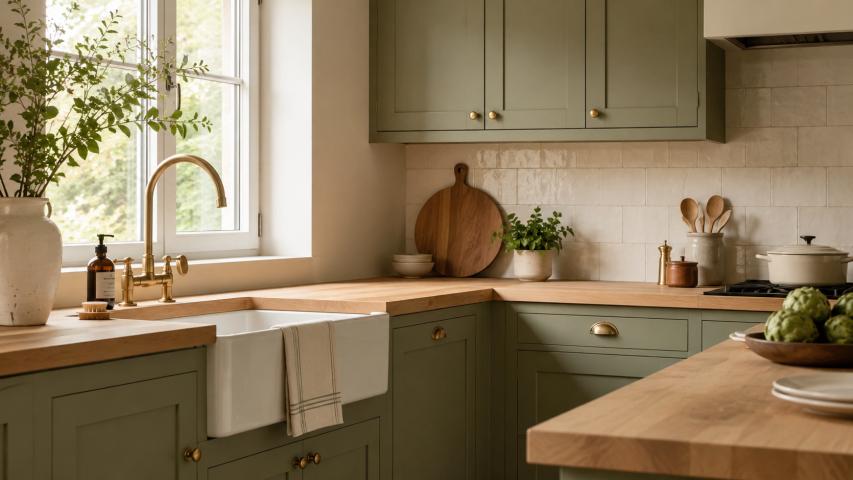
Color psychology plays a real role in how spacious a kitchen feels. Renovation professionals in Maryland frequently recommend lighter tones for cabinets, walls, and countertops in smaller kitchens. White, soft gray, warm cream, and pale sage green all help reflect light and push the walls back visually.
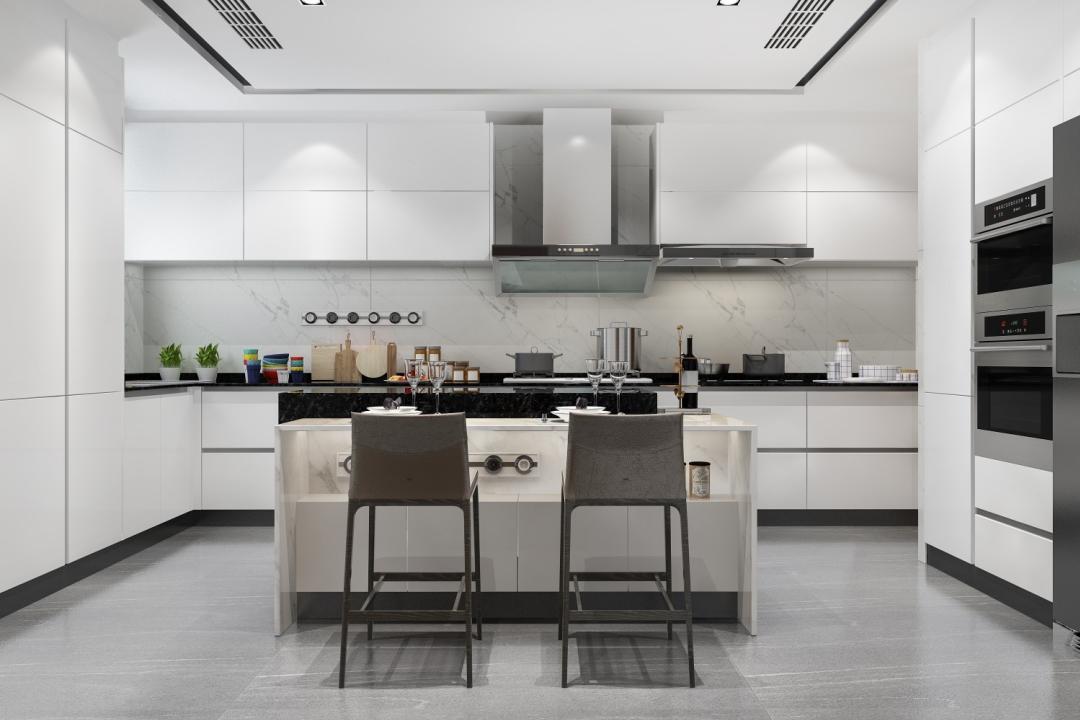
Pairing light colors with reflective surfaces like glass cabinet doors, glossy tile backsplashes, or polished stone countertops adds even more brightness. Under-cabinet lighting is another small change that makes a dramatic difference. It eliminates shadowy corners and makes the workspace feel airy.
Better Layouts Make a Bigger Difference Than Size
Many homeowners assume they need more square footage when what they actually need is a better layout. A galley kitchen, for example, can be incredibly efficient if the workflow between the sink, stove, and refrigerator is well thought out. This kitchen design triangle, known as the work triangle, reduces the number of steps a cook has to take and removes friction from daily tasks.
Maryland renovation teams often reconfigure appliance placement, reposition the sink, or flip the orientation of the kitchen to improve flow. Sometimes moving a dishwasher just a few feet changes everything about how the space functions day to day.
Using Larger Tiles and Fewer Visual Breaks
Small tiles with lots of grout lines create a busy, fragmented look that makes a space feel smaller. One simple trick renovation professionals use is to install larger format tiles on the floor. A 24x24 porcelain tile with thin grout lines creates an uninterrupted surface that visually expands the room.
The same idea applies to countertops. A single slab countertop without a lot of seams reads as cleaner and more expansive than pieced-together sections. It is a subtle change, but it contributes to the overall feeling of space.
Bringing in Natural Light
If the layout of the row home allows it, adding or enlarging a window in the kitchen is one of the best investments a homeowner can make. Natural light transforms a kitchen more than almost any other single change. Even a modest window above the sink can brighten a space dramatically.
Where adding windows is not possible due to shared walls or structural limits, renovation teams use skylights, glass-panel doors leading to small patios, or solar tubes to pull light into the space.
Conclusion
Small does not have to mean cramped. With thoughtful planning, smart material choices, and the right team on your side, a tight row home kitchen can become one of the most enjoyable rooms in the house. If you are considering a renovation, partnering with an experienced design build firm in MD ensures that every decision from layout to lighting is made with both function and space in mind. Maryland homeowners have more options than ever, and the results being achieved in small row homes across the state are genuinely impressive.
Frequently Asked Questions
1. How much does a kitchen renovation typically cost in Maryland?
The cost depends on several factors, including the size of your kitchen, the materials you choose, and how much of the space you plan to update. A small refresh will naturally cost less than a full gut renovation with custom work. The best way to get a clear picture of what to expect is to consult with a licensed local contractor who can assess your specific space and give you a realistic estimate based on your goals and budget.
2. Do I need a permit to renovate my kitchen in Maryland?
Most structural alterations, as well as electrical and plumbing modifications, typically require official permits. A licensed contractor in Maryland will typically handle the permit process as part of the project.
3. How long does a kitchen renovation take for a small row home?
A full renovation usually takes four to eight weeks depending on the complexity of the work. Minor updates like cabinet refacing or countertop replacement can be completed in a few days to two weeks.
4. Can I stay in my home during the kitchen renovation?
Most homeowners do stay home during a renovation, though it requires some adjustments. You may need a short-term arrangement for meals. Good communication with your contractor about work schedules helps minimize disruption.
5. What is the best first step to start a kitchen renovation in Maryland?
Start by consulting with a local renovation professional who has experience with row homes specifically. They can assess your space, discuss your goals, and provide a realistic plan and budget before any work begins.