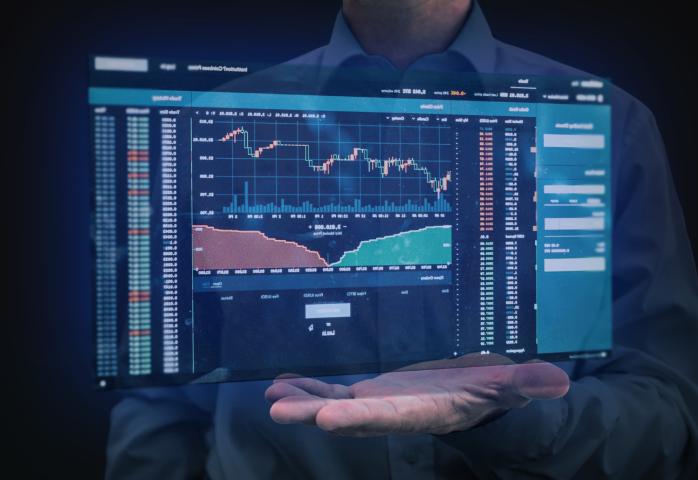

Algorithmic trading has transformed the financial industry by enabling traders and institutions to execute strategies with speed, precision, and consistency. From crypto exchanges and stock markets to forex and commodities, automated trading systems are now responsible for a major share of global trading volume.
However, not every algorithmic trading platform is built for long-term performance. A successful platform requires much more than basic automation. It needs robust infrastructure, intelligent analytics, risk management systems, real-time execution capabilities, and enterprise-grade security.
In this blog, we will explore the core features every algorithmic trading platform should have and why these functionalities are critical for traders, hedge funds, fintech startups, and brokerage firms looking to build scalable trading ecosystems.
Why Features Matter in Algorithmic Trading Platforms
Algorithmic trading platforms operate in highly competitive and fast-moving markets where milliseconds can influence profitability. A weak architecture, delayed execution engine, or poor risk management system can lead to major financial losses.
Modern trading platforms must support:
- High-frequency trade execution
- Real-time market analysis
- Multi-exchange connectivity
- Automated strategy deployment
- Advanced risk control
- AI-powered decision-making
- Scalable cloud infrastructure
The stronger the platform’s feature set, the better its ability to handle market volatility, user growth, and institutional-grade trading requirements.
Top Core Features that Matters in the Algorithmic Trading Platform
1. Real-Time Market Data Integration
Real-time market data is the foundation of every algorithmic trading system. Without accurate and low-latency market feeds, trading algorithms cannot make profitable decisions.
A robust trading platform should support:
- Live price feeds
- Order book depth
- Historical market data
- Tick-by-tick data streaming
- Multi-market data aggregation
- Real-time indicators and analytics
The platform should also integrate with multiple exchanges and liquidity providers to ensure uninterrupted market visibility.
Why It Matters
Trading strategies depend entirely on data accuracy. Even minor delays in data synchronization can negatively impact trade execution and profitability.
2. High-Speed Trade Execution Engine
The execution engine is the heart of an algorithmic trading platform. It processes trading signals and places orders automatically based on predefined conditions.
Key capabilities include:
- Ultra-low latency execution
- Smart order routing
- Automated order matching
- Concurrent order processing
- High-frequency trading support
- Slippage optimization
Modern institutional trading systems are designed to execute trades within milliseconds to capitalize on market opportunities before prices shift.
Why It Matters
Faster execution reduces slippage and improves strategy performance, especially in volatile markets like cryptocurrency and forex trading.
3. Advanced Strategy Builder
A trading platform should provide users with the ability to create, test, and deploy custom trading strategies.
The strategy builder should include:
- Drag-and-drop strategy creation
- Coding support for Python, JavaScript, or Pine Script
- Pre-built strategy templates
- Technical indicator libraries
- Conditional logic creation
- Event-driven trading workflows
This enables both beginner traders and professional quants to automate complex trading strategies efficiently.
Why It Matters
Custom strategy flexibility increases user engagement and allows traders to adapt quickly to changing market conditions.
4. Backtesting Engine
Backtesting helps traders evaluate how a strategy would have performed using historical market data.
A high-quality backtesting module should offer:
- Historical simulation
- Multi-asset testing
- Strategy optimization
- Tick-level replay
- Profit and loss analysis
- Drawdown reporting
- Risk-adjusted performance metrics
The more accurate the backtesting engine, the better traders can validate strategies before deploying them in live markets.
Why It Matters
Backtesting minimizes strategy risks and improves confidence before real-money execution.
5. AI and Machine Learning Integration
Artificial intelligence is rapidly becoming a major component of modern algorithmic trading systems.
AI-powered platforms can support:
- Predictive analytics
- Market sentiment analysis
- Pattern recognition
- Automated strategy optimization
- Fraud detection
- Portfolio rebalancing
- Risk forecasting
Machine learning algorithms continuously improve trading models based on historical and live market behavior.
Why It Matters
AI-driven systems can identify market opportunities faster than traditional rule-based algorithms.
6. Risk Management System
Risk management is one of the most important features of any trading platform.
Essential risk management capabilities include:
- Stop-loss automation
- Take-profit controls
- Exposure management
- Margin monitoring
- Portfolio diversification controls
- Position sizing algorithms
- Circuit breakers
- Volatility protection
Institutional-grade risk management systems help protect both traders and platform operators from unexpected market events.
Why It Matters
Without proper risk controls, even profitable strategies can lead to catastrophic losses during market volatility.
7. Multi-Exchange and Multi-Asset Support
Modern traders rarely operate on a single exchange or asset class.
A scalable algorithmic trading platform should support:
- Cryptocurrency exchanges
- Stock trading APIs
- Forex markets
- Commodities
- Futures and derivatives
- Cross-exchange arbitrage
The platform should also provide centralized portfolio management across multiple trading venues.
Why It Matters
Multi-market accessibility improves liquidity access and trading flexibility.
8. API Connectivity
API integration is critical for modern trading ecosystems.
Core API functionalities include:
- Exchange API integration
- Wallet APIs
- Payment gateway APIs
- Brokerage APIs
- WebSocket support
- FIX protocol integration
- Third-party analytics integration
Well-designed APIs enable businesses to expand platform capabilities rapidly.
Why It Matters
APIs create flexibility, scalability, and seamless integration with external financial services.
9. Portfolio Management Dashboard
A comprehensive dashboard improves trading visibility and operational control.
Important dashboard features include:
- Portfolio tracking
- Profit and loss monitoring
- Asset allocation insights
- Trade history
- Performance analytics
- Risk exposure visualization
- Real-time notifications
A clean and data-rich interface enhances user experience and decision-making.
Why It Matters
Professional traders require centralized visibility into all trading activities and portfolio metrics.
10. Security and Compliance Infrastructure
Algorithmic trading platforms handle sensitive financial data and large transaction volumes, making security essential.
Core security features should include:
- End-to-end encryption
- Two-factor authentication (2FA)
- Multi-signature wallet support
- DDoS protection
- Secure API authentication
- Role-based access control
- Data backup systems
- Regulatory compliance frameworks
For crypto trading platforms, additional blockchain security measures are also necessary.
Why It Matters
Strong security builds trust and protects users from cyber threats and financial fraud.
11. Cloud Scalability and Infrastructure
Algorithmic trading systems must handle massive transaction loads during market spikes.
Scalable infrastructure should include:
- Cloud-native architecture
- Load balancing
- Distributed servers
- Kubernetes deployment
- Auto-scaling systems
- High availability infrastructure
- Disaster recovery systems
Cloud-based infrastructure ensures platform reliability during high-volume trading periods.
Why It Matters
Scalability prevents downtime and maintains trading performance during market volatility.
12. Real-Time Alerts and Notifications
Real-time alerts help traders react quickly to market changes.
Important notification systems include:
- Price movement alerts
- Strategy trigger notifications
- Risk warnings
- Trade execution updates
- Portfolio performance alerts
- Market news notifications
Platforms should support alerts through mobile apps, email, SMS, and push notifications.
Why It Matters
Timely notifications improve responsiveness and trading efficiency.
13. User-Friendly Interface
Even highly advanced trading systems must remain easy to use.
The platform should offer:
- Intuitive dashboards
- Responsive mobile applications
- Simple onboarding
- Interactive charts
- Customizable workspaces
- Dark/light themes
- Multi-language support
A smooth user experience increases platform adoption and customer retention.
Why It Matters
User-friendly design helps both retail traders and institutions operate efficiently.
14. Analytics and Reporting
Comprehensive analytics help traders optimize performance.
Essential reporting features include:
- Trading performance reports
- ROI tracking
- Strategy comparison
- Tax reporting
- Trade journals
- AI-generated insights
- Benchmark comparisons
Advanced reporting tools enable better investment decisions and operational transparency.
Why It Matters
Data-driven insights improve strategy refinement and long-term profitability.
Future Trends in Algorithmic Trading Platforms
The future of algorithmic trading platforms will likely include:
- AI-driven autonomous trading agents
- Decentralized finance (DeFi) integrations
- Quantum computing optimization
- Social trading systems
- Blockchain-powered transparency
- Institutional-grade tokenized asset trading
- Predictive market intelligence
As financial technology evolves, trading platforms must continuously innovate to remain competitive.
How Businesses Can Build a Scalable Algorithmic Trading Platform
Building a successful trading platform requires expertise across:
- Financial engineering
- Low-latency infrastructure
- AI and machine learning
- Cybersecurity
- Exchange integration
- Cloud architecture
- Regulatory compliance
Businesses should focus on developing a scalable architecture that supports future expansion and evolving market requirements.
Partnering with an experienced development company can significantly reduce technical complexity and accelerate time-to-market.
Why Choose Softean for Algorithmic Trading Platform Development
Softean Technologies specializes in building advanced financial software solutions for startups, enterprises, and trading firms.
Our expertise includes:
- Algorithmic trading software development
- AI-powered trading systems
- Crypto trading bot development
- Multi-exchange trading platforms
- Real-time analytics infrastructure
- High-frequency trading architecture
- Secure cloud-native deployment
We focus on building scalable, high-performance trading ecosystems tailored to modern financial markets.
Explore our specialized Algorithmic Trading Software Development Services to build next-generation automated trading platforms.
Final Thoughts
Algorithmic trading platforms are no longer simple automation tools. They have evolved into highly sophisticated financial ecosystems powered by AI, real-time analytics, low-latency infrastructure, and intelligent risk management systems.
The success of a trading platform depends heavily on its core architecture, scalability, execution performance, and security capabilities. Businesses that invest in feature-rich, future-ready trading platforms will be better positioned to compete in the rapidly evolving financial technology landscape.
As algorithmic trading adoption continues to rise globally, platforms with advanced automation, AI integration, and institutional-grade infrastructure will define the next generation of digital trading experiences.