There have been immense changes in the fitness industry thanks to technological innovations. Today, as many people are using their mobiles to monitor and record their workout routines, nutrition levels, and advice provided by virtual trainers, there is a greater need for new fitness apps. As you are interested in investing in such apps, it becomes crucial that you have knowledge about the trends that currently define the world of fitness apps.
In this article, you will learn more about some of the most important trends that are defining the future of the fitness industry through fitness apps.
1. AI-Powered Personalization
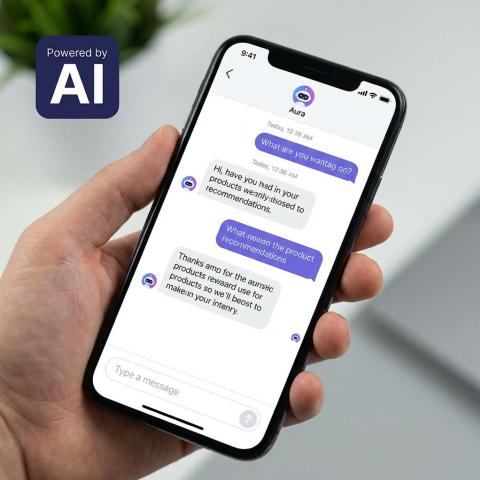
Artificial intelligence has gone past the phase where it was just some futuristic idea; rather, AI is an essential aspect for all modern-day fitness apps. Modern-day consumers have come to demand that apps be able to personalize workouts, diets, and recovery regimens according to their unique fitness levels, behavior patterns, and objectives.
It has now become an absolute necessity for any fitness application company to integrate machine learning into its core design. This is because AI-powered coaches that adjust to performance figures are quickly becoming a norm.
2. Wearable Device Integration
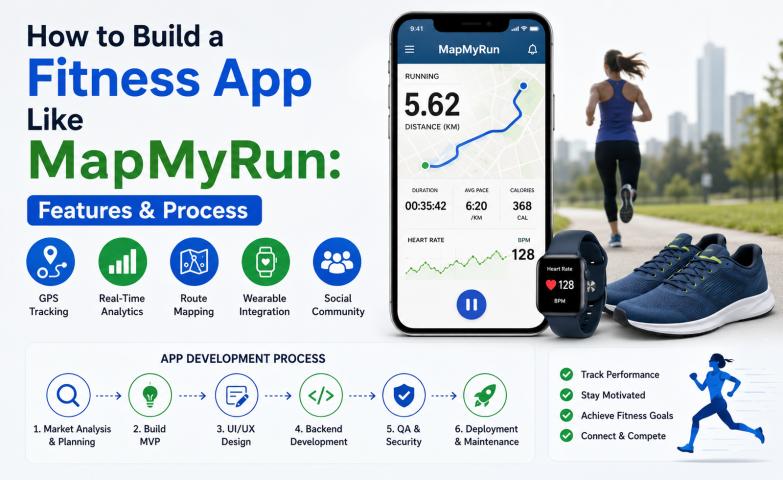
The use of smartwatches, fitness trackers, and biosensors is ubiquitous. Fitness enthusiasts require an effortless data flow of information from such wearables into their fitness app about heart rate, VO2 max, sleep cycle, and calories burned. Such a fusion results in better health insights for the end-user.
Any fitness app development company that wants to innovate needs to develop an application that would integrate seamlessly with HealthKit by Apple, Google Fit, Garmin Connect, and Fitbit. The future of mobile fitness app development depends on this aspect.
3. On-Demand and Live Virtual Training
User expectations were altered forever by the pandemic. People realized the benefits of having personalized fitness instruction from the comfort of their homes, and they are unwilling to give up on this luxury. Live-streamed workout classes, on-demand videos, and online personal training sessions are now key components of high-end fitness apps.
In today’s competitive market, companies considering hiring fitness app developers must consider features like live video streaming with minimal latency, live question-and-answer support, and smooth video replay.
4. Gamification and Social Features
Motivation is the main challenge for maintaining fitness continuity. Gamification tackles this issue straight on, making exercising an inherently rewarding activity. Leaderboards, badges, streaks, challenges, and competitions, among other features, ensure that the users stay interested far beyond their initial excitement about the new app they downloaded.
The social aspect is also crucial for enhancing user retention. In terms of popular fitness app features, gamification proves its importance by delivering increased levels of active daily users and subscription renewals. A proper gamification concept is essential for any credible fitness app development initiative.
5. Mental Wellness and Holistic Health Integration
Physical fitness and mental wellness are inseparable. The most forward-looking fitness platforms are expanding beyond exercise to incorporate guided meditation, sleep optimization, stress tracking, and mindfulness sessions. Users are no longer looking for a workout app they want a comprehensive wellness companion.
This trend represents a significant product expansion opportunity. A skilled fitness mobile app development company can help businesses architect modular platforms that start with fitness and grow into full-spectrum wellness ecosystems over time.
6. Augmented Reality (AR) Fitness Experiences
Augmented Reality is changing the way people engage with their fitness content. With augmented reality fitness apps, one can get instant feedback on correct form, have a virtual trainer appear in one's own home, or turn a jog outdoors into an interactive video game. Fitness mobile application developers who are early adaptors of AR technology will be able to produce solutions which are hard for other companies to duplicate.
Since augmented reality development involves complex technologies, the selection of a partner is very important. Companies should opt for a fitness app development firm with strong ARKit, ARCore, and spatial computing skills.
7. Subscription and Hybrid Monetization Models
The economy for these apps is also well-evolved. Although freemium services along with premium subscription models still prevail, the trend towards hybrid monetization including subscriptions, in-app purchases, branded merchandising, and corporate health program integration is rising fast.
One of the most significant benefits that can be offered by an experienced company providing fitness application development services would be a sound monetization model incorporated into the service architecture from the very beginning.
8. Telehealth and Certified Coach Integration
Increased clarity of regulation in the digital health space paved the way for integration of licensed professionals such as dieticians, physiotherapists, and personal trainers inside the app. This allows for booking sessions with the professionals in order to be evaluated and get tailored program recommendations right there in the app.
The combination of both the fitness side of things and digital health is one of the biggest fitness mobile app trends of the past ten years. This trend needs expertise in healthcare compliance, such as HIPAA and GDPR, as well as experience in video consulting services development.
9. Offline Functionality and Performance Optimization
Some users may not always have a solid Internet connection while working out. Gyms don’t have any signal. Trails aren’t covered by the network either. Offline mode is the capability to work with a workout plan, record workouts, and synchronize the data upon resuming the Internet connection.
Mobile app development for high performance requires precise attention to local data storage mechanisms and background synchronization. Users will stop using an application that crashes or deletes their data. Performance is a feature.
10. Data Privacy and Security
This type of applications involves gathering highly confidential data such as health-related statistics, locations, biometric information, and even financial transactions. People are becoming more conscious of how their personal information is being used and, therefore, more rigorous standards have been enforced in places such as the United States, United Kingdom, European Union, and United Arab Emirates.
An application development company that is trusted to offer reliable services in fitness must incorporate privacy design elements including end-to-end encryption, clear data policy statements, user permission controls, and regular audit systems for security purposes.
Why Partner with an Expert Fitness Mobile App Development Company?
Navigating these trends requires more than technical talent. It demands strategic vision, industry expertise, and a track record of delivering products that users love and businesses can scale.
The fitness app market is projected to continue its rapid expansion, driven by rising health consciousness, widespread smartphone adoption, and the relentless pace of technological innovation. The businesses that will lead this space are those that act decisively, invest in quality fitness mobile app development, and partner with teams that understand both the technology and the human motivations behind it.
Whether you need a consumer fitness app, a B2B corporate wellness solution, or a full-featured telehealth-integrated platform, our fitness application development expertise ensures your product is built for today's users and tomorrow's opportunities.