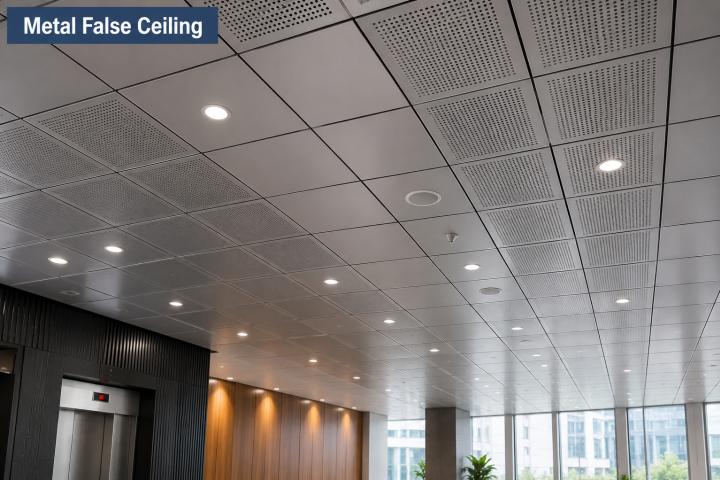
When updating a commercial property, traditional plaster and drywall ceilings quickly reveal their limits. They crack, sag under moisture, stain over time, and turn routine maintenance into a messy, disruptive nightmare. Modern high-traffic facilities require a cleaner, smarter structural solution. Upgrading to a premium metal false ceiling instantly shifts the balance. Engineered for absolute durability, flawless integrated acoustics, and striking modern aesthetics, a high-performance metal ceiling grid or metal baffle ceiling eliminates maintenance headaches while elevating your interior design. Discover why this sophisticated system is the ultimate, long-term asset your next building project needs.
The Evolution of the Ceiling Plane in Modern Architecture
For decades, the ceiling was largely treated as an afterthought in commercial design. It was an uninspired, flat white plane designated solely to hide structural clutter, electrical wiring, and mechanical ductwork. Standard acoustic tiles or continuous gypsum board became the default choices due to their low upfront material cost. However, as architectural trends shifted toward expansive open layouts, exposed structural elements, and high-density occupancy, the weaknesses of legacy ceiling systems became impossible to ignore.
Traditional tile systems degrade rapidly under environmental stress. Slight roof leaks or minor HVAC condensation issues leave behind permanent, unsightly yellow stains. Humidity causes cheap composite tiles to bow and sag out of their grids, ruining the clean, linear sightlines of an office or corridor.
Furthermore, accessing overhead utility lines requires physical handling that chips, breaks, or soils the tiles, resulting in a mismatched, poorly maintained appearance over time. The introduction of modern metal paneling has completely rewritten this narrative, transforming the ceiling from a high-maintenance structural shroud into a dynamic, architectural design asset.
Decoding the Anatomy of a Metal False Ceiling
A high-performance metal false ceiling is far more than just a sequence of sheet metal panels suspended overhead. It is a highly engineered, modular architectural system designed to balance structural integrity with aesthetic flexibility. The system typically consists of a lightweight, heavy-duty galvanized steel or aluminum suspension grid engineered to support specialized metal infill panels.
These panels are precision fabricated from premium-grade aluminum alloys or electro-galvanized steel sheets. Depending on the visual goals of the space, the metal surfaces are finished using advanced powder coating techniques or durable coil-coated finishes. This manufacturing process gives the panels an incredibly hard, non-porous exterior shell that resists scratching, denting, and environmental degradation far better than any mineral fiber or plaster alternative.
Understanding Different Types of Metal Ceiling Systems
The sheer versatility of metal fabrication allows manufacturers to create diverse profiles that accommodate unique design visions and spatial demands.
Lay-In and Clip-In Tile Systems
These are the pillars of commercial office design. Lay-in tiles drop directly into a standard exposed T-bar grid, making them incredibly fast to install and replace. Clip-in panels utilize a concealed suspension system where the edges of the metal tiles snap firmly up into an invisible spring tee grid from below. This creates an ultra-sleek, monolithic surface with tightly closed joints that completely conceal the supporting framework, providing a pristine, unbroken visual plane.
Linear Metal Panel Systems
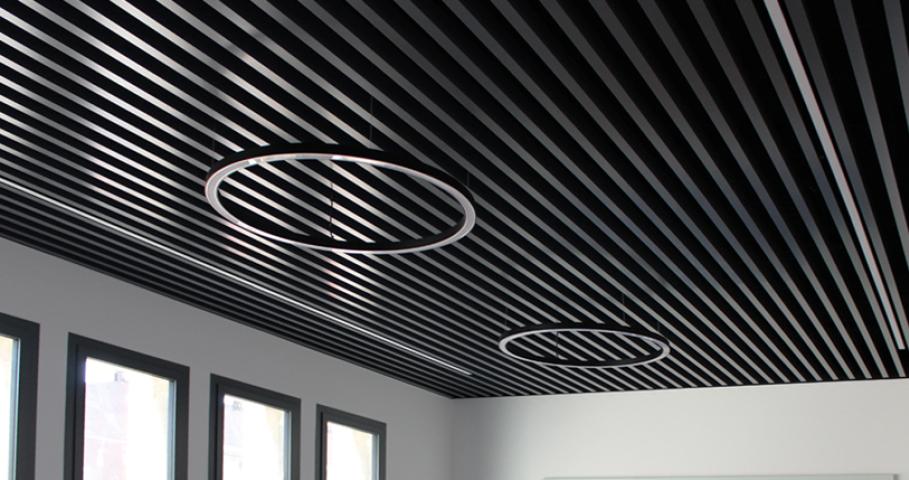
Ideal for long corridors, transit hubs, and expansive open areas, linear metal ceilings consist of long, narrow aluminum planks clipped onto an overhead carrier. These planks can be installed tightly together or with open gaps between them to create a sense of unidirectional movement, directing the eye through a space and accentuating the overall length of the architecture.
High-Design Metal Baffle Ceilings
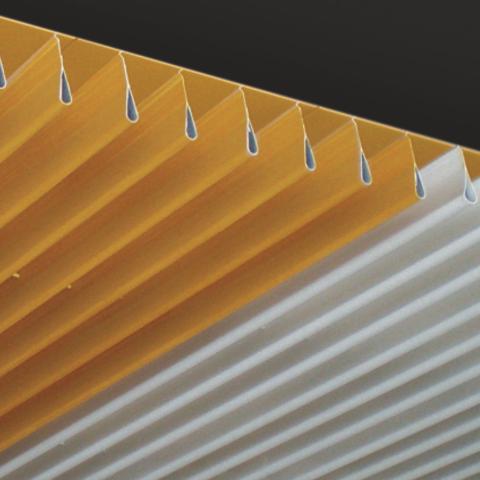
A metal baffle ceiling consists of independent vertical linear panels suspended from the structural slab. This layout creates an incredibly striking, open-air aesthetic that leaves the deeper overhead plenum partially visible while adding remarkable volumetric depth and shadow play to the room. The linear rows of vertical baffles can be adjusted in spacing, depth, and angle, offering architects an entirely customized canvas to manipulate light, shadow, and spatial scale.
The Acoustic Engineering Behind Perforated Metal
One of the most persistent misconceptions about using a metal ceiling is that it will turn a room into a harsh, echo-heavy chamber. Because solid metal is an inherently hard and reflective material, it is easy to assume it would ruin a room's audio environment. In reality, modern architectural metal systems are outstanding acoustic assets.
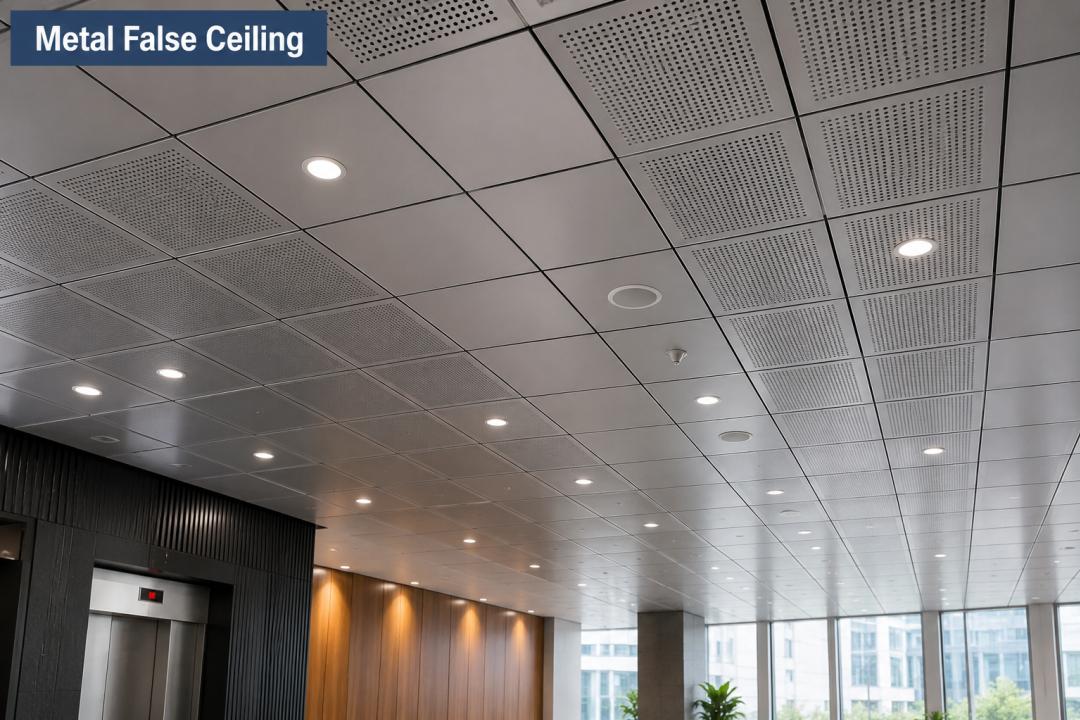
To achieve superior sound control, the metal panels undergo a precision mechanical perforation process. The panels are punched with thousands of microscopic holes arranged in specific, mathematical patterns. When sound waves travel upward from human conversation or office equipment, they do not bounce off the metal surface; instead, they pass cleanly through these tiny perforations.
Directly behind the perforated metal sheet, a thin layer of acoustic fleece or high-density sound absorption insulation is permanently bonded to the interior of the tile. As the sound waves pass through the holes, they are permanently trapped and dissipated within this fibrous backing material. This allows a perforated metal panel system to achieve elite Noise Reduction Coefficient (NRC) ratings, effortlessly rivaling or exceeding the acoustic performance of traditional mineral fiber panels while retaining all the immense structural benefits of solid metal.
Read to know more on metal baffle ceiling: A Designer’s Guide for Choosing the Right Metal Ceilings
Key Reasons why Builders and Developers Prefer Metal
Investing in a premium metal ceiling system provides major, quantifiable returns across the entire operational lifecycle of a commercial property.
Lifelong Durability and Structural Integrity
Unlike fragile mineral boards or soft gypsum drywall, metal panels do not warp, sag, rot, or crumble with age. They maintain their factory-crisp straight edges and completely flat faces for decades, completely immune to the structural sagging that regularly plagues older properties.
Unmatched Moisture and Humidity Resistance
In geographic regions with high humidity, or within indoor building zones prone to ambient dampness, such as commercial kitchens, locker rooms, or expansive building lobbies—standard ceiling materials deteriorate rapidly. Aluminum and treated steel systems are completely hydrophobic, meaning they cannot absorb moisture, will never stain from water vapor, and entirely prevent the growth of harmful mold and mildew.
Easy, Low-stress Maintenance Access
Routine maintenance of overhead building infrastructure, such as HVAC dampeners, electrical junction boxes, fiber-optic lines, and fire suppression plumbing, requires frequent ceiling access. Metal panel systems are engineered for effortless, non-destructive removal. Workers can easily remove or swing down individual panels to access utilities without running the risk of snapping corners or creating messy, airborne particulate dust.
Superior Fire Performance and Safety
Fire safety compliance is a non-negotiable metric in commercial real estate development. Being fabricated from naturally non-combustible materials, metal false ceilings offer top-tier Class A fire ratings, exhibiting zero flame spread and zero smoke development, actively contributing to the structural safety of the building containment envelope.
Elevating Interior Aesthetics with Custom Metal Finishes
The design flexibility of architectural metal has made it a favorite among high-end interior designers. Modern manufacturing technologies have moved far beyond standard industrial white panels, opening up an expansive palette of visual textures and colors.
Through advanced sublimation and digital coating technologies, metal panels can be finished to perfectly mimic the organic warmth of natural wood grain. This allows designers to cultivate a luxurious, biophilic aesthetic without any of the fire code restrictions, high weight limits, and continuous sealing maintenance associated with real timber architectural millwork.
Additionally, metal ceilings can be customized with striking metallic mirror finishes, bold corporate colors, or custom-curved panel geometries that effortlessly conform to undulating structural roof shapes, transforming a standard room into an iconic experiential space.
FAQs
1. Are metal false ceilings expensive to install compared to mineral fiber options?
While a metal false ceiling does require a higher upfront material investment than standard mineral fiber tiles, it offers a vastly superior return on investment. Because metal panels are virtually indestructible and never need replacement due to water stains, sagging, or edge damage, the lifetime operational and maintenance costs are drastically lower, saving property owners thousands of dollars over the building's lifecycle.
2. Can you integrate standard lighting, air diffusers, and security systems into a metal ceiling?
Yes, absolutely. Modern metal ceiling modules are meticulously engineered to seamlessly integrate with standard commercial building services. Manufacturers offer pre-engineered cutouts and specialized integration trims that allow linear LED light bars, circular downlights, supply and return air grilles, and smoke detectors to fit flush within the metal grid plane for an immaculate, highly organized finish.
3. Do metal baffle ceilings work effectively to control sound in open-plan offices?
Yes, a metal baffle ceiling is exceptionally effective at managing noise in large, open-plan spaces. By hanging the panels vertically, both sides of the baffle are exposed to the room's sound waves, effectively doubling the active acoustic surface area. This layout is perfect for intercepting horizontal sound waves traveling across an open office floor, drastically reducing conversational distractions.
4. How do you clean and maintain a metal ceiling system over time?
Maintenance is incredibly simple. Because the powder-coated or coil-coated surface of a metal ceiling is non-porous and highly durable, it does not harbor dust, dander, or pollutants. Routine cleaning simply requires occasionally wiping the panels down with a soft, damp cloth and a mild, non-abrasive detergent to remove surface dust, completely eliminating the need for specialized chemical treatments or painting.
5. Is it difficult to retrofit a metal ceiling into an existing building during a remodel?
Not at all. If the existing building already utilizes a standard suspended ceiling grid system, it is often possible to adapt the existing main runners or replace them seamlessly with a dedicated high-capacity metal carrier framework. Because the panels are lightweight and modular, retrofitting an outdated office or hospitality space can be completed cleanly and quickly without heavy structural demolition.
Upgrade Your Architectural Canvas with a High-performance Metal Ceiling
Don’t let sagging tile grids or continuous drywall maintenance drain your facility's long-term budget. At Tranquil Global, we engineer premium metal false ceiling and metal baffle ceiling systems that seamlessly pair striking modern visual design with elite acoustics and lifelong structural durability. Transform your commercial property into a zero-maintenance, acoustically optimized masterpiece. Contact the design and engineering experts at Tranquil Global today to request product specifications, explore our custom grid patterns, and give your building the premium upgrade it deserves.