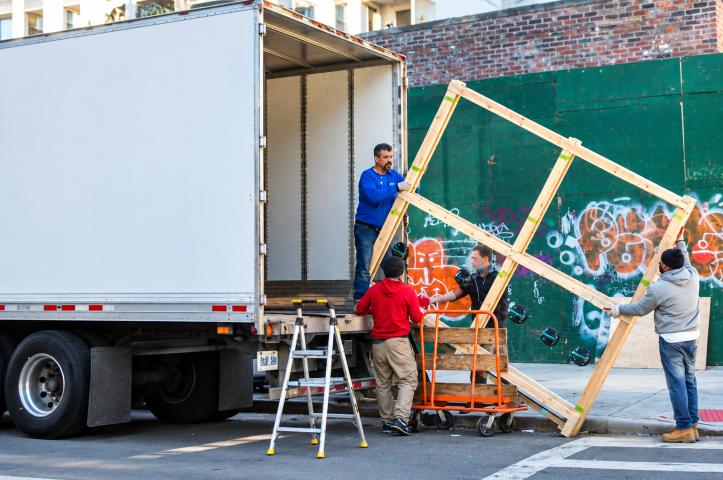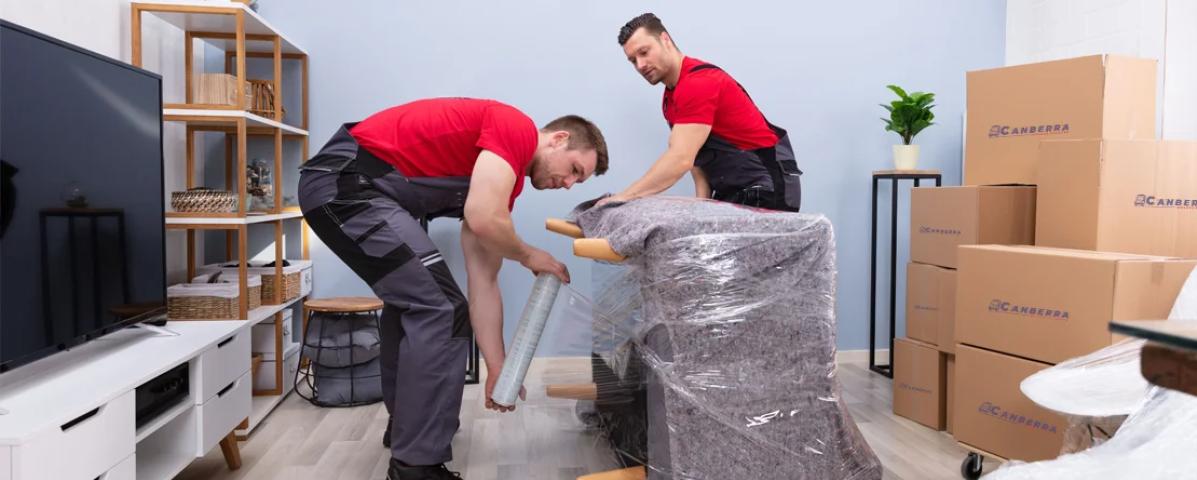

You pack for weeks. You move in a day. Then you spend the next month stepping around boxes.
Many people think moving day is the hardest part of relocating. In most cases, it is not. The real challenge starts after the truck leaves and you need to turn a house full of boxes into a functional home.
Moving has a deadline. Unpacking does not. That single difference explains why so many households struggle to finish the job.
You can hire movers, book a truck, and follow a schedule. Unpacking requires hundreds of decisions about storage, furniture placement, household systems, and daily routines.
People researching what to expect from removalists in Richmond often focus on transport, timing, and costs. Yet many discover that the bigger challenge arrives after moving day when they need to organise every room and establish new routines.
After reviewing relocation experiences across Melbourne households, one pattern appears repeatedly. The physical move often takes less than a day, but settling into a new home can take several weeks.
In this guide, you will learn why unpacking takes longer than moving, which rooms create the biggest delays, and how to use a practical system that helps you settle in faster.
Moving Day Ends, But the Relocation Process Doesn't
The biggest misconception about moving house is that the relocation ends when the last box enters the property. In reality, moving day completes only the transport stage.
Moving focuses on getting belongings from one address to another. Settling in focuses on making the new property work for everyday life.
A removal team can move an entire household in hours. Unpacking requires ongoing decisions about where things belong and how each room should function.
Once moving day ends, daily responsibilities return immediately. Work, school, shopping, cooking, and family commitments compete for your time, which slows progress.
What Moving Day Actually Includes
The moving phase usually covers:
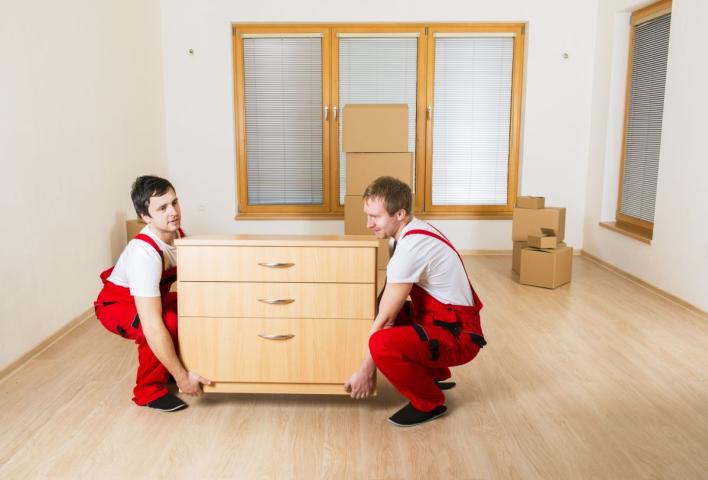
Loading furniture and boxes
Transporting belongings
Unloading at the destination
Positioning large furniture
Completing the relocation
What Settling Into a Home Requires
The unpacking phase usually includes:
Organising cupboards
Setting up wardrobes
Arranging furniture
Creating storage systems
Connecting services
Removing unwanted items
Many homeowners underestimate the second list because these tasks appear small individually. Together, they consume far more time than expected.
Key takeaway: Moving gets your possessions into the property. Unpacking transforms the property into a comfortable and functional home.
The 7 Hidden Reasons Unpacking Takes Longer Than Moving
Unpacking takes longer because it combines organisation, decision-making, and daily life into one ongoing project. Unlike moving day, there is rarely a deadline that forces completion.
Most people begin unpacking with good intentions. After a few days, motivation drops and unopened boxes start to blend into the background.
The following reasons explain why this happens so often.
1. You Make Hundreds of Decisions
Every item needs a home.
You need to decide:
Where furniture fits best
Which cupboard stores what
What stays
What goes
Small decisions add up quickly.
2. There Is No Deadline
Moving day has a clear finish line.
Unpacking does not.
Once the essentials are available, many people stop feeling pressure to continue.
3. Every Room Works Differently
A storage system that worked in your old home may not suit the new one.
You often need to:
Rearrange furniture
Redesign storage areas
Adjust room functions
Create new routines
4. Life Continues Immediately
You still need to:
Go to work
Take children to school
Cook meals
Manage household tasks
Unpacking competes with everyday responsibilities.
5. Clutter Creates Extra Work
Many people discover items they no longer need.
This creates additional tasks such as:
Sorting
Donating
Recycling
Selling
6. Storage Areas Become Problem Zones
Garages, sheds, wardrobes, and spare rooms often contain the hardest items to organise.
These spaces usually remain unfinished the longest.
7. Mental Energy Drops
Most households spend weeks preparing for a move.
By the time moving day finishes, energy levels are low and motivation starts to fade.
A common example is a family that unpacks the kitchen and bedrooms during the first weekend but leaves garage boxes untouched for several weeks.
Key takeaway: Unpacking takes longer because it requires ongoing decisions, organisation, and time rather than one coordinated effort.
What Industry Experience Reveals About Unpacking Delays
Industry observations reveal a consistent pattern. Households rarely struggle because the move was difficult. They struggle because they begin unpacking without a clear plan.
The fastest movers are not always the fastest settlers. Preparation before moving day often determines how quickly a household becomes organised afterwards.
Clear labelling, room planning, and decluttering create a significant advantage.
Common Mistakes That Slow Unpacking
The most frequent mistakes include:
Poor box labels
No room-by-room strategy
Mixing essential and non-essential items
Delaying storage decisions
Keeping unnecessary belongings
Habits That Lead to Faster Results
Households that settle quickly often:
Label boxes clearly
Pack by room
Unpack essentials first
Declutter before moving
Set daily unpacking goals
During customer feedback reviews, Harry The Mover Melbourne removalists frequently observed that well-labelled households tend to settle significantly faster than households that label boxes with vague descriptions such as "miscellaneous" or "spare items".
Key takeaway: Good preparation before moving day usually reduces unpacking time more than working faster after moving day.
Room-by-Room Reality: What Actually Takes the Longest
Not every room creates the same workload.
Some rooms become functional within hours. Others require ongoing organisation for weeks.
The rooms that take the longest usually contain the highest number of items or require the most storage decisions.
The Most Time-Consuming Rooms
Kitchen
The kitchen often creates delays because it contains:
High item volumes
Multiple storage categories
Pantry organisation requirements
Garage
The garage commonly becomes a temporary storage area.
It often contains:
Tools
Equipment
Seasonal items
Unsorted boxes
Wardrobes
Wardrobes require:
Clothing organisation
Storage planning
Decluttering decisions
Home Office
Home offices often need:
Technology setup
Cable management
Document organisation
The Fastest Rooms To Complete
Most people unpack these first:
Bedrooms
Bathrooms
Living areas
These spaces support daily living and provide immediate comfort.
Key takeaway: The rooms that take the longest usually require the most decisions rather than the most physical work.
The Hidden Cost of Delayed Unpacking
Delayed unpacking affects more than appearance.
A partially organised home often reduces efficiency and increases frustration.
Simple tasks become harder when items do not have permanent locations.
Productivity Starts To Suffer
Common problems include:
Searching for documents
Looking for chargers
Misplacing household items
Rebuying things you already own
Stress Builds Over Time
Visible clutter often creates a feeling that important work remains unfinished.
This can contribute to:
Reduced focus
Mental fatigue
Frustration
Lower motivation
People often ask when to book Mornington removalists, but a more useful question is how much time to reserve after moving day because unpacking usually determines how quickly a household feels settled.
Key takeaway: Delayed unpacking affects productivity, organisation, and comfort long after the move ends.
The 14-Day Unpacking Framework Professionals Recommend
Trying to unpack everything at once often leads to burnout.
A structured approach works better because it breaks the process into manageable stages.
Most professional organisers recommend focusing on functionality first and perfection later.
Days 1–3: Establish Daily Living
Prioritise:
Bedrooms
Bathrooms
Kitchen essentials
Important documents
Basic clothing
Days 4–9: Build Household Systems
Focus on:
Wardrobes
Kitchen storage
Laundry organisation
Living spaces
Days 10–14: Complete Secondary Areas
Finish:
Garages
Spare rooms
Decorative items
Seasonal storage
A simple rule helps many households succeed. Touch each item once and place it in its permanent location whenever possible.
Key takeaway: A structured plan creates faster progress than random unpacking sessions.
Lessons Learned From Hundreds of Household Moves
Experience shows that unpacking success rarely depends on speed.
Instead, it depends on preparation and organisation.
Several patterns appear consistently across household moves.
Better Labels Produce Faster Results
Clear labels help people:
Find items quickly
Prioritise essentials
Avoid unnecessary searching
Bigger Homes Sometimes Settle Faster
This seems surprising, but larger homes often provide more storage flexibility.
Smaller homes can create delays because every item competes for limited space.
Another common observation is that boxes moved into garages and spare rooms often remain unopened the longest.
Key takeaway: Planning and organisation matter far more than unpacking speed.
Frequently Asked Questions
How long should unpacking take after moving house?
Most households take between one and four weeks to fully unpack depending on the size of the property and available time.
What room should I unpack first?
Start with bedrooms, bathrooms, and the kitchen because they support everyday living.
Why do boxes stay unpacked for months?
Decision fatigue, busy schedules, and limited storage space are the most common reasons.
Is it better to unpack room by room?
Yes. A room-by-room approach creates structure and helps you track progress.
How can I unpack faster?
Focus on essentials first, follow a simple plan, and avoid creating temporary storage piles.
Conclusion
Moving day may feel like the finish line, but it is usually only the beginning of the settling-in process.
The main reason unpacking takes longer than moving is simple. Moving transfers belongings from one location to another. Unpacking requires decisions, organisation, and new household systems.
The good news is that most delays are avoidable. Clear labelling, realistic expectations, and a structured unpacking plan can help you settle into your new home much faster.
Focus on essential rooms first. Create permanent storage solutions early. Complete one area before starting another.
Most importantly, plan for unpacking before moving day arrives. When you prepare for the settling-in phase as carefully as the move itself, your new house can start feeling like home much sooner.