The foundation of a child’s future begins with the experiences they receive during their earliest years. Childhood is a time of discovery, imagination, and rapid development, where every activity contributes to growth and confidence. At First Idea Family Day Care, families looking for a caring and supportive family day care Lyndhurst environment can find a place where children are encouraged to explore, communicate, and learn through meaningful experiences. A positive early childhood journey helps children develop important skills that support them throughout life.
Every child has their own personality, interests, and way of learning. A supportive childcare environment understands these differences and provides opportunities for children to grow at their own pace. Through play, interaction, and creative activities, children gain confidence while developing skills that prepare them for future experiences.
The Early Years and Child Development
The first years of life are extremely important for building a child’s emotional, social, and intellectual foundation. During this stage, children begin learning how to communicate, interact with others, solve problems, and understand their surroundings.
Early childhood education supports these areas by providing children with engaging and age-appropriate activities. Reading stories, singing songs, creative projects, and hands-on learning experiences help children strengthen their language, memory, and thinking skills.
When children are given opportunities to participate actively, they become more confident learners. They learn that asking questions, exploring ideas, and making discoveries are valuable parts of their growth.
Encouraging Creativity and Imagination
Creativity is a powerful tool in childhood development. Children use imagination to understand the world and express their thoughts. Creative experiences allow them to experiment, explore possibilities, and develop new ways of thinking.
Activities such as drawing, painting, building, music, and role-play encourage children to communicate their ideas. These experiences support problem-solving abilities while helping children feel proud of their achievements.
Imaginative play also allows children to explore emotions and social situations. By pretending, storytelling, and creating different scenarios, children learn about relationships, feelings, and communication.
A creative learning environment helps children become confident thinkers who are willing to try new activities and approach challenges with curiosity.
Building Confidence Through Everyday Experiences
Confidence grows when children are supported and encouraged in their daily activities. Simple achievements, such as completing a task or learning a new skill, can help children develop a positive belief in themselves.
Daily routines provide valuable opportunities for children to become more independent. Participating in activities, making choices, and helping with small responsibilities teach children important life skills.
Children who experience encouragement are more likely to explore new opportunities. They learn that mistakes are part of the learning process and that patience and effort can lead to improvement.
Developing confidence during early childhood creates a strong base for future learning and personal development.
The Benefits of Play-Based Learning
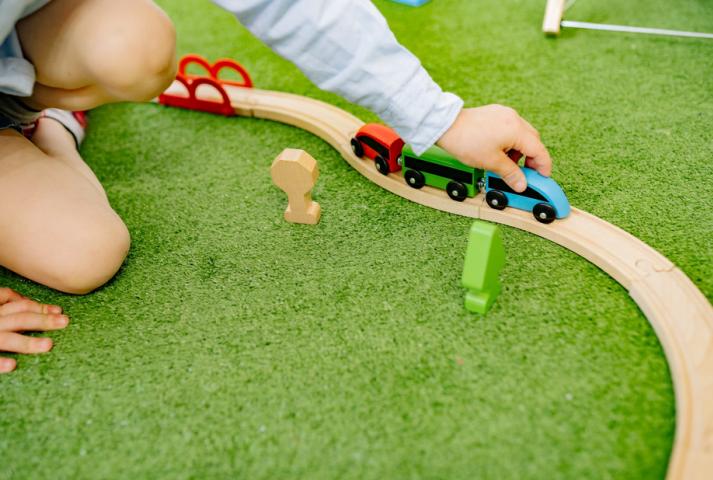
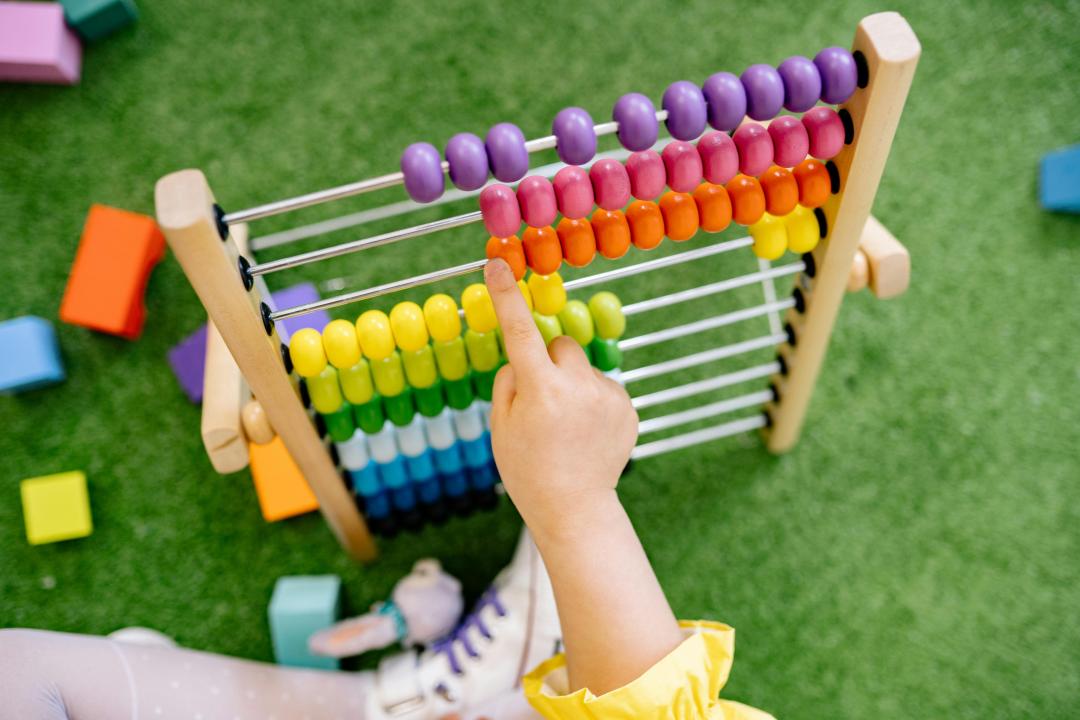
Play is one of the most effective ways children learn. It allows them to develop skills naturally while enjoying the learning process.
Indoor play activities such as puzzles, books, construction games, and creative projects help strengthen thinking and communication abilities. Outdoor play supports physical development, coordination, and confidence.
Exploration through play also encourages children to solve problems and make decisions. They learn how to approach challenges while developing creativity and independence.
Many families searching for an early learning centre Lyndhurst consider the importance of a balanced environment where children can learn, play, and feel supported. A positive approach to early education helps children develop in every area of their growth.
Supporting Social and Emotional Skills
Learning how to interact with others is a major part of childhood development. Early learning environments allow children to build friendships and practise important social skills.
Through group activities, children learn how to share, cooperate, listen, and respect others. These experiences teach children how to work together and understand different perspectives.
Emotional development is equally important. Children need a safe environment where they can express feelings and receive guidance. Supportive interactions help children develop empathy, resilience, and emotional awareness.
A strong connection between children and caregivers helps create a sense of security. When children feel comfortable, they are more open to learning and exploring.
Preparing Children for Future Learning
Quality early childhood education helps children develop skills that support future success. While academic knowledge is valuable, children also need confidence, communication, independence, and emotional strength.
Early learning experiences teach children how to participate in groups, follow routines, express ideas, and solve problems. These skills help children adjust to new environments and future educational settings.
Children who enjoy learning from an early age often develop a lifelong interest in exploring and discovering. Positive experiences create a strong connection between curiosity and education.
Creating a Supportive Environment for Growth
A child’s early years should be filled with encouragement, care, and meaningful learning opportunities. A nurturing environment allows children to develop naturally while feeling safe and valued.
Families exploring childcare options such as family day care Dandenong often look for a setting where children receive personal attention and engaging experiences. A caring approach supports children as they build confidence, creativity, and independence.
The skills developed during childhood become the building blocks for the future. With the right guidance and support, children can grow into capable, confident, and enthusiastic learners ready to explore new opportunities.