Why Head Swap AI Is Becoming a Practical Fix for Creator Reshoots
Every small content team has a folder full of almost-right footage. The product angle works, the lighting is clean, the prop is in the right place, and the shot would be usable if one human detail had gone better. Someone blinked. The presenter turned a little too far. Hair covered part of the face. The expression looked stiff. A founder recorded a short clip after three hours of calls and looked exactly as tired as they felt.
The old answer was simple: reshoot it. Book the person again, reset the room, rebuild the lighting, and hope the second attempt does not introduce a new problem. That is manageable for a large production team. It is painful for a startup that needs social posts, product demos, thumbnails, investor updates, hiring clips, and paid ad variants with the same two or three people.
This is where head swap AI has started to move from novelty editing into a practical production fix. The appeal is not that it can create a funny fake. The useful version is quieter. It lets a team keep the useful parts of an image or short clip while correcting the part that usually forces a reshoot: the head, hair, angle, or expression.
The reshoot problem is usually smaller than the reshoot
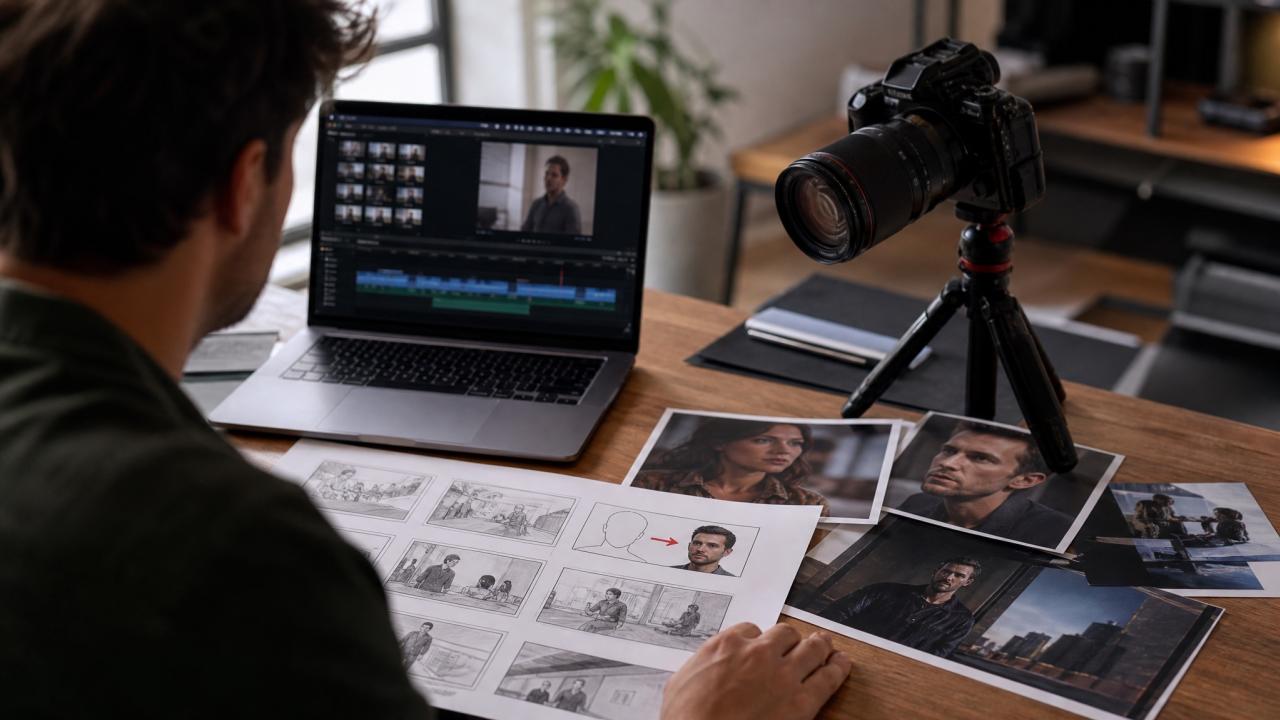
Most reshoots are not caused by a broken concept. They are caused by one detail that makes the asset hard to publish. A customer success lead records a demo clip with good pacing, but the still frame chosen for the thumbnail catches them mid-word. A founder sits for a product photo and the best shot has a face angle that does not match the campaign. A creator nails the motion in a short ad, but the reference image needed for a localized version came from a different day, with different hair and lighting.
Traditional editing can fix some of this. A designer can retouch skin, adjust color, clean edges, and crop around problems. Face swap tools go a step further by replacing facial features. Head swap tools solve a slightly different problem because they treat the head as a larger unit. Hair, neck line, outline, and angle matter. When those elements stay wrong, the edit can feel pasted on even if the face itself looks accurate.
That distinction sounds technical, but content teams feel it in review. A face-only edit may pass at a glance, then fail when someone notices that the hair>
Why head swap is more useful than another face filter
There is a reason head swap AI is becoming interesting to people who are not hobby editors. It maps to common content bottlenecks. A team may need a new thumbnail for a webinar replay, a cleaned-up hero image for a founder announcement, or a fresh presenter look for an ad concept. In each case, the background, body pose, and scene may already be fine. The head is the unstable variable.
That is also why source quality matters so much. The best results usually come from a clear source head, a target image with compatible lighting, and a pose that does not ask the model to invent too much. If the target image is blurry or the head angle is wildly different, the tool has to make guesses. Those guesses are where odd edges, mismatched shadows, and strange hair shapes tend to appear.
For still-image work, teams can test the workflow with this AI head swap tool, which is built around replacing the entire head including hair rather than only changing facial features. That matters for profile->
The value is not that every output should be published untouched. The value is that the editor gets a better starting point. Instead of asking a designer to manually cut around hair, clone background pixels, and paint shadows from scratch, the team can generate a candidate, inspect it, then decide whether it is good enough, needs cleanup, or should be discarded.
Startups need variation without rebuilding the shoot
Early-stage companies rarely need one perfect asset. They need versions. One version for the landing page, another for LinkedIn, another for a founder post, another for a vertical ad, another for a regional campaign, and another for a pitch deck that will be out of date next week. The production problem is not only quality. It is repetition.
Head swap AI fits that pattern because it can help teams separate two decisions that used to be locked together: the scene and the person. Once a team has a useful body pose or video take, it can test whether another approved reference image works better. That can be helpful for founder-led content, internal training, product demos, creative thumbnails, and concept previews before a paid shoot.
Consider a simple example. A B2B startup records a short product walkthrough with the marketing lead on camera. The script is clear, the screen recording is clean, and the room setup looks professional. The problem is the opening frame, where the presenter is looking down. A full reshoot means scheduling, lighting, audio checks, and another review cycle. A head swap workflow may let the team test a better approved reference head while keeping the original clip as the base.
The same logic applies to still campaigns. A startup may have an on-brand pose from a previous shoot but need a cleaner head angle for the new campaign. If the person has approved the use of their likeness and the final asset is reviewed carefully, head swap can become a fast middle step between "ship the bad frame" and "run the whole shoot again."
Quality control matters more than the tool menu
The easiest mistake is to treat head swap as a one-click publish step. It is not. The useful teams build a short review habit around it.
First, check the source image. It should be sharp, front-facing or close to the target angle, and free of heavy shadows across the face. Second, check the target scene. The lighting direction should make sense. If the body is lit from the left and the source head is lit from the right, the final image may feel wrong even when the model blends the edges well. Third, look at the hairline and neck. These are usually the places where a bad swap announces itself.
Finally, zoom out. Many teams inspect an edit at 200 percent and miss the more important question: does the asset feel believable at the size where it will actually appear? A thumbnail, a LinkedIn image, and a full-width landing page hero have different tolerance levels. A small social thumbnail may pass with minor edge issues. A hero image with a person's face near the center of the screen needs stricter review.
The best use of head swap AI is not blind trust. It is triage. The tool creates options quickly. Humans decide what is usable.
Video makes the problem harder
Still images are forgiving because there is only one moment to inspect. Video adds timing. A good result has to hold through motion, changes in expression, small turns, motion blur, and lighting shifts. That is why video head swap is a different workflow from dropping one face onto one photo.
When a team moves from images to clips, frame-by-frame head swaps in video become relevant. The video version has to track the subject through the clip, replace the head across frames, and blend the result with the movement and lighting of the original video. iMideo's video head swap page is designed around uploading a face image and a video clip, with output choices such as 480p and 720p for different use cases.
This is useful, but it should also make teams more careful. Video feels more real to viewers than a single image. A swapped head in a product demo, founder update, or ad can cross from harmless editing into misrepresentation if the person did not approve it or if the viewer could reasonably believe the person did something they did not do.
That is why the operational checklist matters. Use approved likenesses. Keep a record of consent. Do not use the workflow to place real people into statements, scenes, or contexts they did not agree to. If the content is realistic enough that a viewer could mistake it for unedited footage, treat disclosure as part of publishing, not as an afterthought.
Responsible use is part of production now
Platform rules have been moving in the same direction. YouTube asks creators to disclose realistic altered or synthetic content. TikTok gives creators ways to label AI-generated content. Meta has moved toward AI labels and context for generated or manipulated media. The details vary, but the theme is clear: when realistic media is altered by AI, viewers need context.
For startup teams, this does not mean avoiding AI editing altogether. It means building a grown-up workflow. Keep source files. Use only people, talent, and customer images where usage rights are clear. Label realistic synthetic edits when the platform asks for it. Avoid public figures, private individuals, minors, sensitive topics, and anything that could embarrass or mislead someone. The fastest way to ruin a useful production technique is to use it where trust is the real asset.
There is also a brand reason to be conservative. A startup can recover from a rough edit. It is much harder to recover from making people feel tricked. The audience may forgive a slightly imperfect head edge in a low-stakes social post. They will not forgive a company that uses someone's likeness in a way that feels sneaky.
Where head swap fits in a practical content workflow
The strongest head swap workflows are boring in a good way. They sit inside a normal production process rather than replacing it.
A team starts with a real asset: a photo shoot, a recorded demo, a creator clip, or a set of approved reference images. Then it marks the problem: bad expression, wrong head angle, inconsistent hair, awkward thumbnail, or a localized version that needs a different approved presenter image. The team generates a few options, picks the closest one, and sends it through the same review path as any other visual asset.
That last step is where many teams get better results. They stop treating AI output as final and start treating it as production material. A designer may still crop the image, adjust color, remove a small artifact, or decide the result is not publishable. That is normal. The win is the reduction in repeated setup work, not the removal of human judgment.
Used this way, head swap AI becomes less flashy and more useful. It helps a small team rescue good shots, test campaign directions, and reduce unnecessary reshoots. It will not replace good planning, good lighting, or clear consent. It simply gives teams another way to work with the assets they already have.
That is the practical reason the category is worth watching. The teams that get value from it are not chasing a trick. They are trying to ship more visual content without rebuilding the same shoot every time one frame goes wrong.