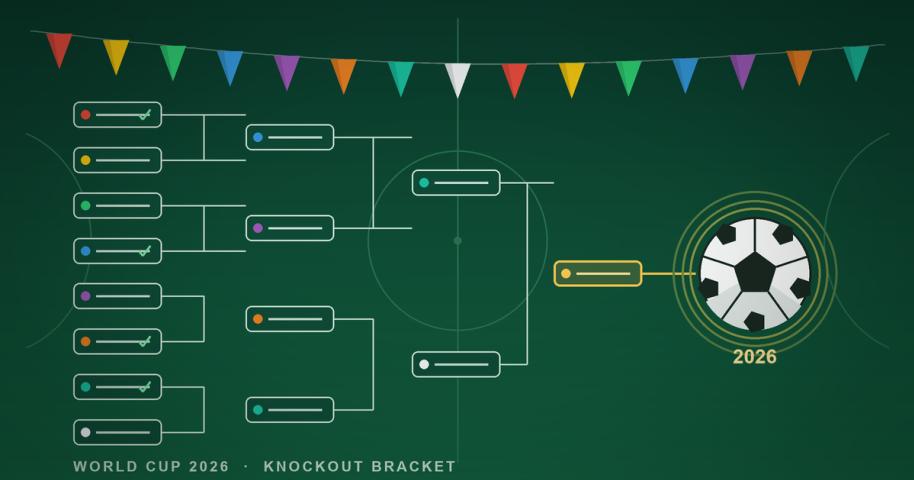
Most group prediction pools die in week two. The opening match is electric. Everyone posts their picks in the group chat, someone volunteers to keep score, and there is a brief golden period where three colleagues argue about whether a mid-table team can top its group. Then the round-robin games blur together, two people miss the deadline, the scorekeeper gets busy, and by the time the knockout rounds arrive nobody remembers who is winning the pool.
That is a shame, because the knockouts are the part worth showing up for. If you want your group still talking about it in July, the setup matters more than the picks.
Why 2026 makes this harder than usual
The 2026 World Cup is the first with 48 teams, spread across the United States, Canada, and Mexico. More teams means more group-stage matches and a longer stretch of games before the bracket narrows to the rounds people really care about. That is great for fans and slightly dangerous for pools. A tournament that runs for the better part of five weeks gives casual participants plenty of time to drift.
The classic mistake is treating a pool like a launch: big energy at kickoff, no plan for the middle. Enthusiasm is not a system. If keeping everyone engaged depends on one organized person nagging the group, it will fail the first week that person has a deadline of their own.
Keep the friction near zero
The single biggest predictor of whether people finish is how much effort each entry takes. A shared spreadsheet with a tab per person sounds tidy and quietly loses half the group. Anything that needs an account, an app install, or a login gets abandoned by the two people you most want to include: the coworker who likes the sport but not the admin, and the friend who only checks their phone at lunch.
A few things that lower the drop-off:
- Pick a format everyone can complete in a couple of minutes on a phone.
- Set one clear deadline tied to a real moment, like the last group-stage kickoff, rather than a vague "sometime this week."
- Make the current standings visible without anyone having to ask, so the pool stays present in the group chat instead of disappearing between rounds.
Notice that none of this is about being good at football. A pool survives on convenience, not expertise.
Small stakes beat big ones
Pools with money on the line tend to get tense and, on many workplaces, are a policy problem you do not want to create. The ones that stay fun run on stakes so light they are basically a running joke. Loser buys the first round of coffee. Last place picks the lunch spot for a week. Bragging rights until the next tournament.
Imagine a group of nine coworkers. Everyone locks in their knockout predictions before the round of 32 begins, and the only prize is that whoever finishes last has to bring in pastries the Monday after the final. That is enough. The reward people actually chase is being the one who called a quarterfinal upset nobody else saw coming.
Where a simple bracket tool fits
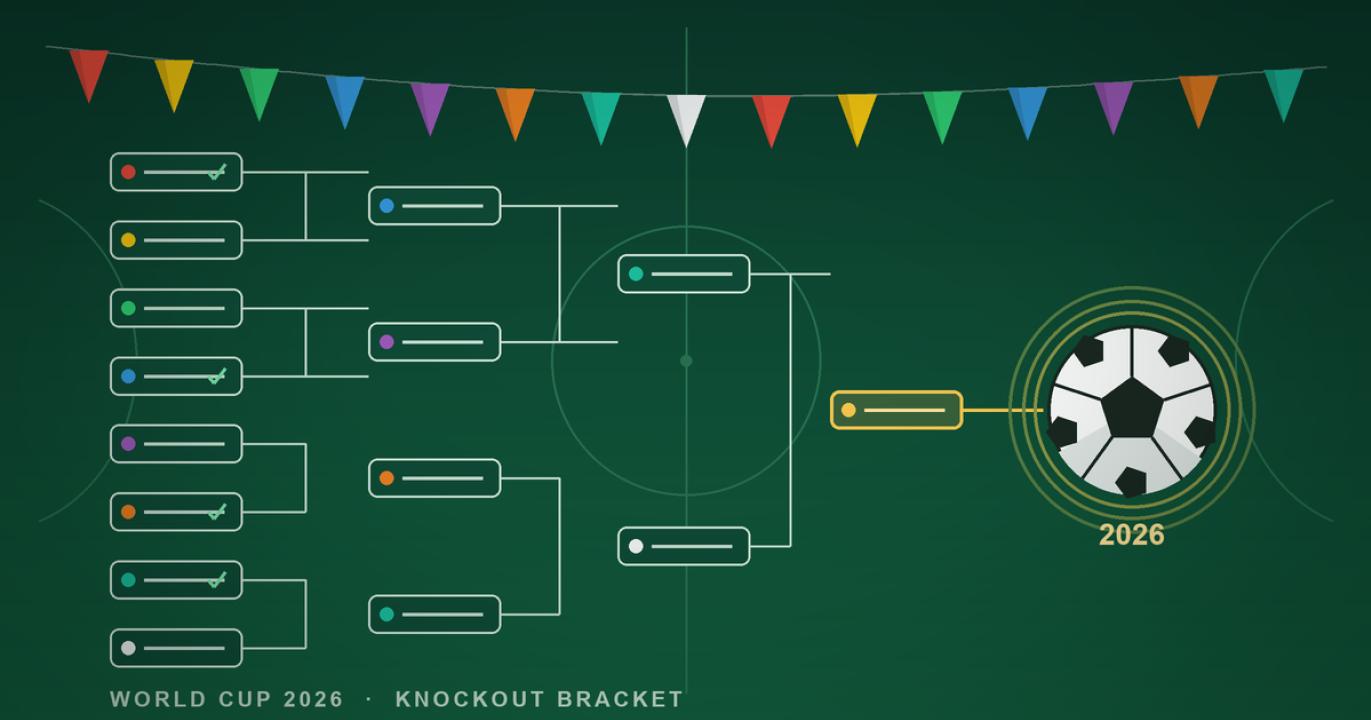
You do not need special software to run this, but a purpose-built bracket removes the two chores that usually kill a pool: building the grid and keeping it updated. A free, browser-based option like the interactive World Cup 2026 bracket at bracket2026.com lets each person fill in their knockout picks round by round, produces a clean printable sheet, and works on a phone without a login. Because it is shareable, someone can drop their filled bracket into the group chat and everyone compares in the same place.
Two honest limits. A tool like this tracks predictions and results; it will not chase down the colleague who forgot to submit, and it will not settle the argument about whose tiebreaker counts. And it is built for fun and personal tracking, not for wagering. Predictions here are a game among friends, nothing more. It is also not affiliated with FIFA or any official tournament body, so treat the picks as entertainment rather than forecasts.
The part people forget: the middle
If you do one thing beyond the initial setup, protect the middle of the tournament. That is where pools quietly go dark. A short message after each round with the updated standings does more for engagement than any prize. It only takes a few seconds when the bracket already shows results, and it keeps the pool alive right up to the moment it gets genuinely exciting.
Run it that way and the reward is not really about who wins. It is about a group of people spending five weeks slightly invested in the same thing, ribbing each other over a bad call, and having a reason to check in that has nothing to do with work. For a friendly pool, that is the whole point.