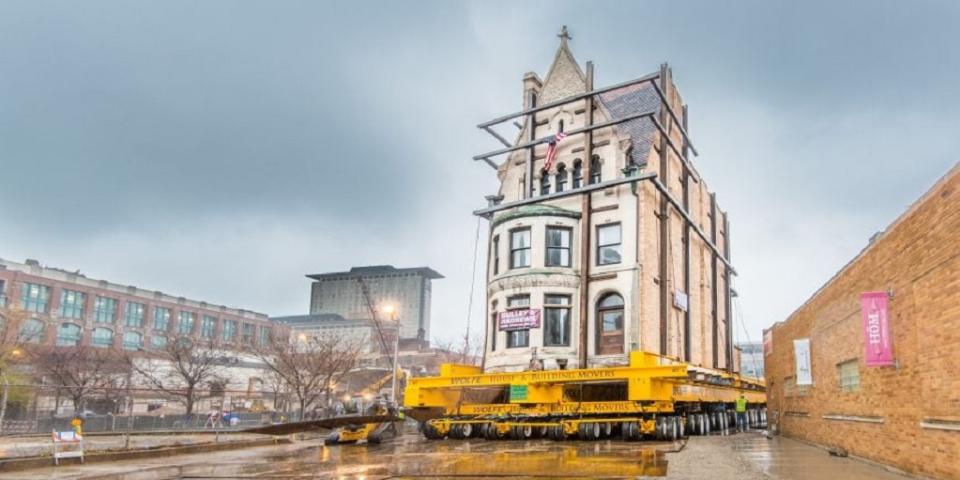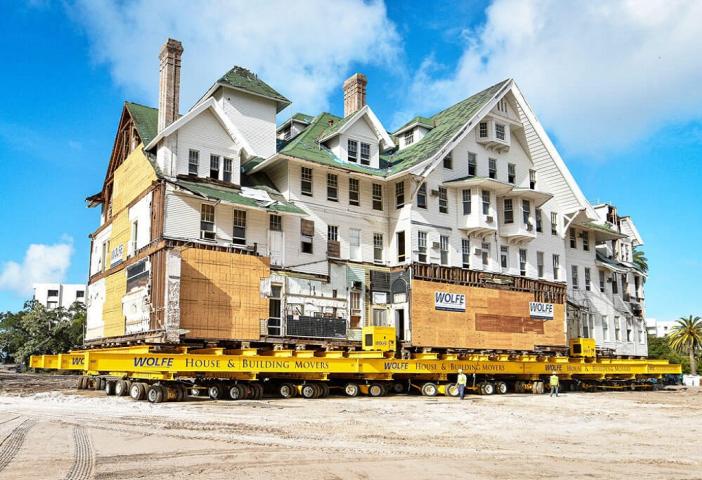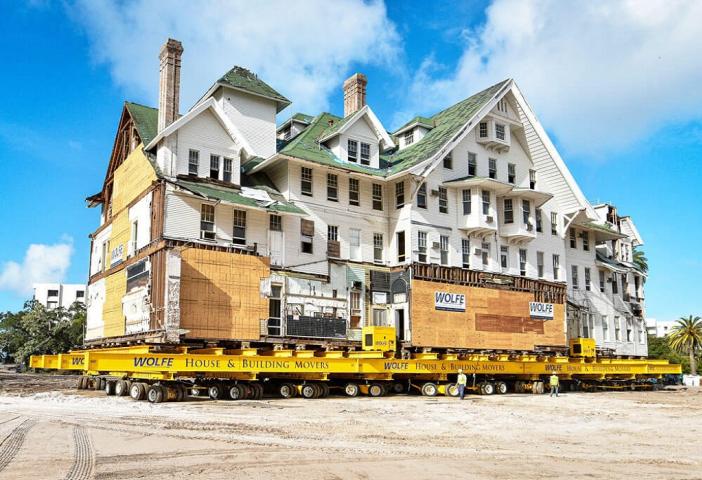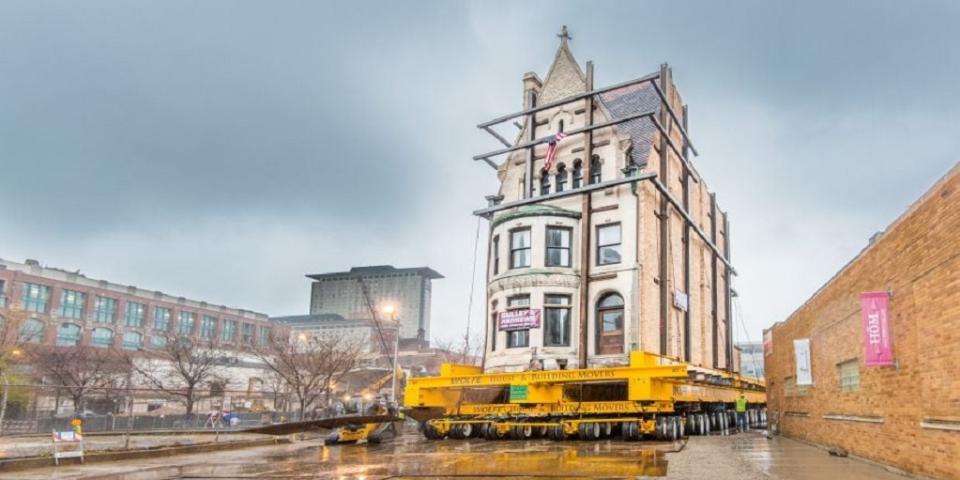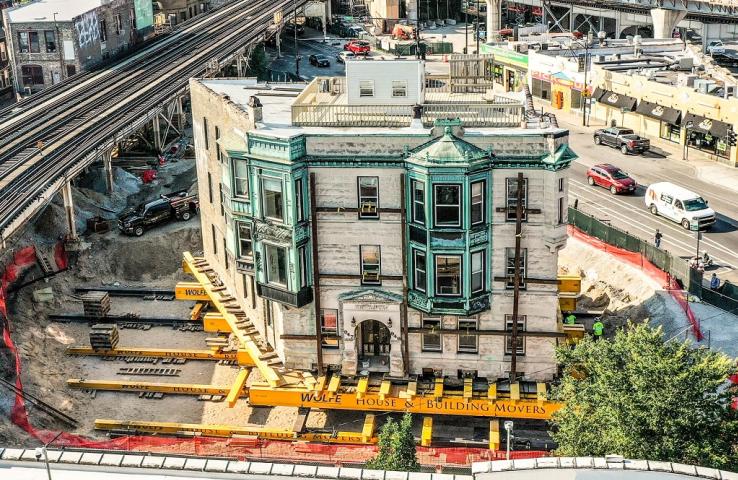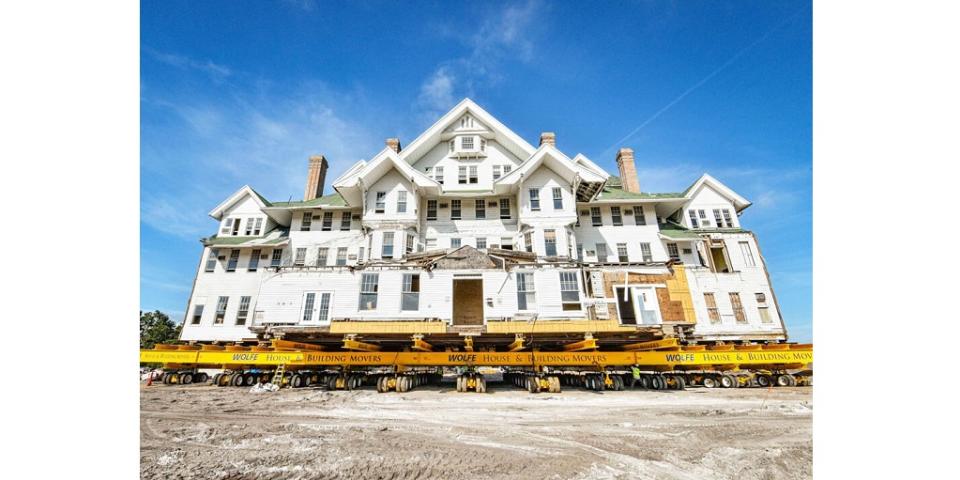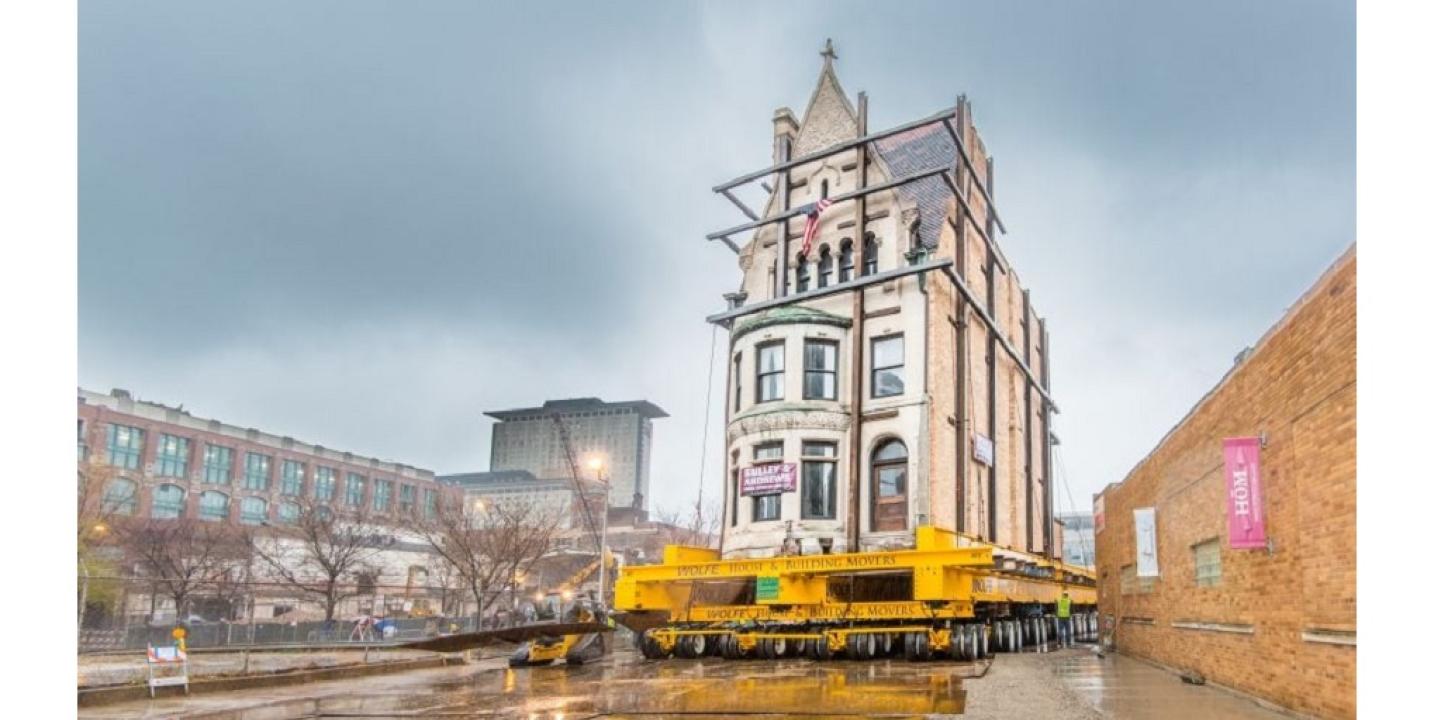
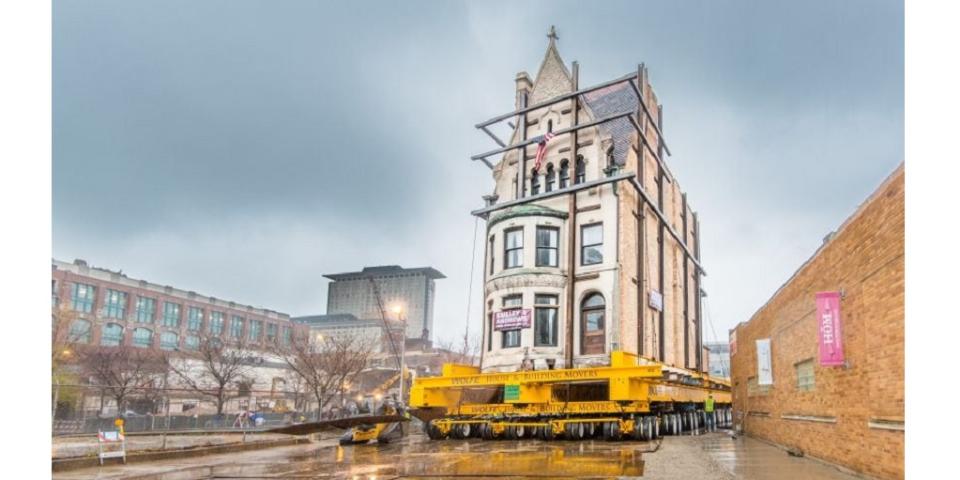
The story of a historic home in Plainfield, Indiana, demonstrates why historic building relocation can sometimes be the best solution when preservation and development collide. Faced with the possibility of demolition, this late nineteenth-century residence was given a second chance through community effort, careful planning, and a commitment to protecting local heritage. Rather than disappearing from the landscape, the house now has a new future while remaining connected to the town where it has stood for generations.
The Architectural Significance of the House
The house itself deserves attention because of its architectural significance. It was built in the Queen Anne >
Queen Anne homes can be immediately recognizable because they are largely asymmetrical. Queen Anne designs usually combine different rooflines, projecting bays, towers, and porches to create buildings that look unique from every angle. This sense of visual complexity gives the >
Development or Preservation?
The challenge began when the property on which the home stood became part of a larger development plan. A local medical facility acquired the surrounding land for expansion and needed space for a new clinic. In many situations, an older structure in the path of development is demolished because relocation is considered too expensive or complicated. This house, however, presented a different case.
Preservation studies determined that the building remained in remarkably good condition. Its structural integrity and historic character made it a strong candidate for saving rather than removing. Even so, preserving a historic house is rarely simple. The search for someone willing to purchase the property and provide a new location stretched on for years. At several points, demolition appeared to be the most likely outcome.
What Made Historic Building Preservation the Choice
What changed the course of events was public support. Residents recognized the importance of the house and began advocating for its preservation. Community members organized efforts to raise awareness and encourage alternatives to demolition. Their persistence helped keep the conversation alive long enough for a practical solution to emerge.
Eventually, a local buyer stepped forward with a vision for the home's future. A parcel of land was made available nearby, allowing the structure to remain connected to its historic setting while clearing the way for new development. The buyer planned to make the house his residence, ensuring that it would continue serving its original purpose as a home rather than becoming an abandoned landmark.
The Plainfield Landmark Remains a Protected Heritage
Wolfe House Movers moved the building as a single unit, allowing it to retain many of the defining characteristics of a Queen Anne->
Today, the rescued Queen Anne home stands as a reminder that growth and preservation do not always have to be opposing forces. Through thoughtful planning, community involvement, and professional execution, a valuable piece of local history was saved for future generations. The success of this project highlights the importance of historic building relocation as a practical tool for protecting architectural treasures while allowing communities to continue evolving.
For more information about Roof Lifting and House Moving Please visit: Wolfe House & Building Movers.