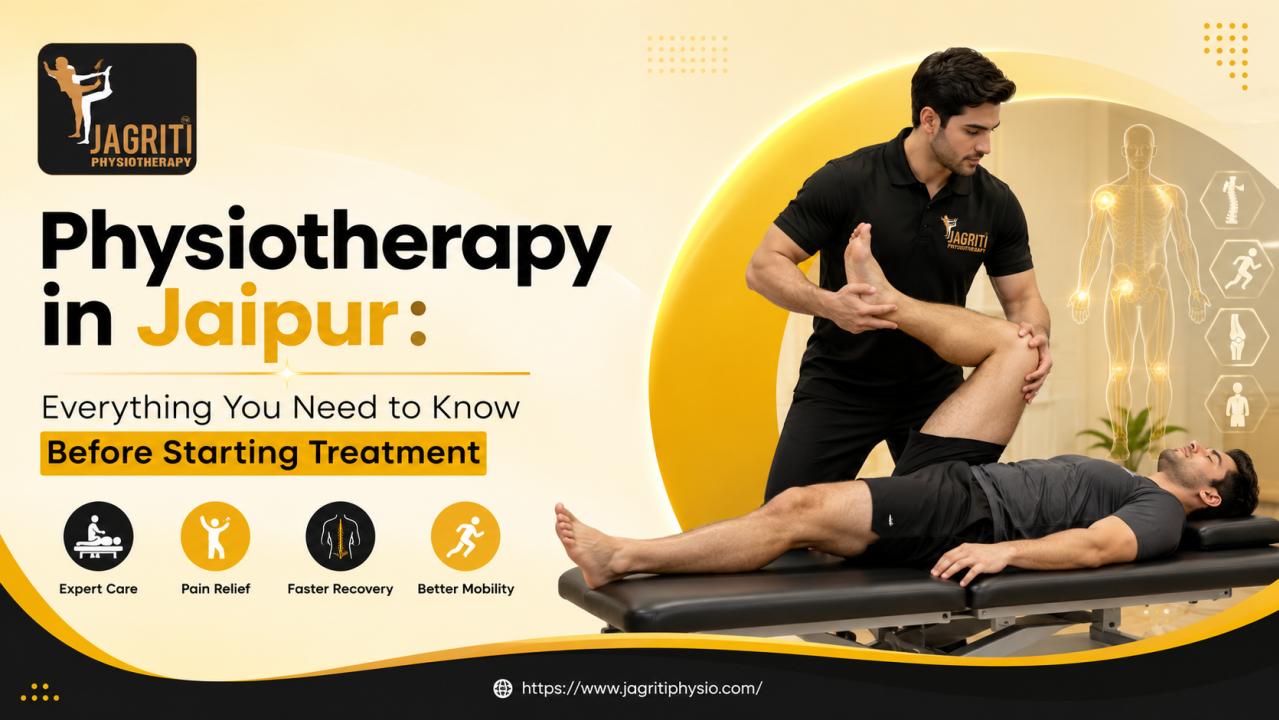
Pain can make even the simplest daily activities difficult. Whether it's back pain from long office hours, knee pain while climbing stairs, a sports injury, or stiffness in your neck, finding the right treatment is important. Many people immediately turn to painkillers, but these often provide only temporary relief.
Physiotherapy offers a different approach. Instead of only reducing pain, it focuses on identifying the root cause of the problem and helping your body recover naturally through movement, exercises, and hands-on treatment.
If you're considering physiotherapy for the first time, this guide will help you understand what to expect, how it works, and why more people in Jaipur are choosing it for long-term recovery.
What Is Physiotherapy?
Physiotherapy is a healthcare treatment that helps restore movement, reduce pain, improve flexibility, and strengthen the body after an injury, surgery, or medical condition.
A physiotherapist assesses your condition and creates a personalized treatment plan based on your symptoms, medical history, and life>
The goal is to help you recover safely while preventing the same problem from returning.
Who Can Benefit from Physiotherapy?
Physiotherapy is suitable for people of all age groups. It can help if you have:
- Back or neck pain
- Knee or shoulder pain
- Sports injuries
- Arthritis
- Muscle stiffness
- Slip disc or sciatica
- Frozen shoulder
- Post-surgery recovery
- Balance and walking problems
- Stroke rehabilitation
- Poor posture caused by desk jobs
Whether your pain started suddenly or has been bothering you for months, early treatment often leads to better results.
Common Conditions Treated by Physiotherapists
Lower Back Pain
Back pain is one of the most common reasons people visit a physiotherapist. Long sitting hours, poor posture, lifting heavy objects, and weak core muscles are common causes.
Treatment may include stretching, strengthening exercises, posture correction, and manual therapy.
Neck Pain
Working on laptops and mobile phones for long periods often leads to neck stiffness and cervical pain. Physiotherapy helps improve mobility while reducing muscle tension.
Knee Pain
Knee pain may result from arthritis, ligament injuries, sports activities, or age-related wear and tear. A structured rehabilitation program can improve strength and reduce discomfort.
Sports Injuries
Athletes and fitness enthusiasts often experience muscle strains, ligament injuries, and joint pain. Physiotherapy supports faster recovery and helps reduce the risk of future injuries.
Post-Surgical Rehabilitation
After surgeries such as knee replacement, shoulder surgery, or fracture repair, physiotherapy plays an important role in restoring movement and rebuilding strength.
What Happens During Your First Physiotherapy Session?
Many people feel nervous before their first appointment because they don't know what to expect. Fortunately, the first session is usually simple and informative.
A physiotherapist will:
- Discuss your symptoms and medical history
- Ask when the pain started
- Assess your posture and movement
- Check joint mobility and muscle strength
- Perform physical examinations if needed
Based on the assessment, a personalized treatment plan is prepared.
The first visit usually focuses on understanding the problem rather than starting intensive treatment.
What Does a Physiotherapy Treatment Plan Include?
Every patient receives a different treatment plan depending on their condition. It may include:
- Manual therapy
- Joint mobilization
- Muscle stretching
- Strengthening exercises
- Posture correction
- Balance training
- Flexibility exercises
- Pain management techniques
- Home exercise program
- Life>
Following the recommended exercises at home is just as important as attending therapy sessions.
Is Physiotherapy Painful?
This is one of the most common questions patients ask.
In most cases, physiotherapy should not cause severe pain. Some movements or exercises may create mild discomfort, especially if your muscles are stiff or weak. However, treatment is adjusted according to your comfort level.
Your physiotherapist will guide you throughout the recovery process and modify exercises whenever necessary.
How Many Sessions Will You Need?
The number of sessions depends on several factors, including:
- Type of injury
- Severity of pain
- Duration of the condition
- Overall health
- Consistency with home exercises
Some patients notice improvement within a few sessions, while long-standing conditions may require several weeks of rehabilitation.
Recovery is usually faster when treatment begins early.
Benefits of Physiotherapy
Physiotherapy offers several long-term benefits, including:
- Reduces pain naturally
- Improves flexibility
- Restores movement
- Builds muscle strength
- Improves posture
- Speeds up recovery after injury
- Reduces the need for pain medication
- Helps prevent future injuries
- Improves quality of life
These benefits make physiotherapy a preferred option for people looking for long-lasting recovery instead of temporary pain relief.
How to Choose the Right Physiotherapist in Jaipur
Choosing the right healthcare professional is an important step toward successful recovery.
When selecting a physiotherapist in Jaipur, consider the following:
- Professional qualifications
- Experience treating your condition
- Personalized treatment approach
- Modern rehabilitation techniques
- Positive patient reviews
- Clean and well-equipped clinic
- Clear communication during treatment
Taking time to choose the right clinic can improve both your treatment experience and recovery outcomes.
Can Physiotherapy Help You Avoid Surgery?
In many cases, yes.
Conditions like early-stage arthritis, frozen shoulder, back pain, and certain ligament injuries often improve significantly with physiotherapy. While surgery may still be necessary in some situations, conservative treatment is usually recommended first.
Early physiotherapy may help reduce pain, improve function, and delay or even avoid surgery for many patients.
Tips to Get Better Results from Physiotherapy
To make the most of your treatment:
- Attend every scheduled session.
- Perform home exercises regularly.
- Maintain good posture.
- Stay physically active.
- Follow your physiotherapist's advice.
- Don't ignore recurring pain.
- Be patient and consistent.
Recovery is a gradual process, and consistency plays a major role in achieving the best outcomes.
Final Thoughts
Physiotherapy is much more than a treatment for pain. It is a science-based approach that helps restore movement, improve strength, and support long-term health. Whether you're recovering from an injury, managing chronic pain, or improving mobility after surgery, starting treatment at the right time can make a significant difference.
If you're looking for professional guidance, choosing a trusted physiotherapy treatment Jaipur provider with experienced therapists and personalized care can help you recover safely and return to your daily activities with greater confidence. Clinics such as Jagriti Physiotherapy focus on evidence-based rehabilitation and patient-centered treatment plans to support long-term recovery.
Frequently Asked Questions
Is physiotherapy suitable for all age groups?
Yes. Children, adults, athletes, and senior citizens can all benefit from physiotherapy depending on their condition.
Can physiotherapy cure chronic pain?
Many chronic pain conditions can be managed effectively through physiotherapy by improving strength, flexibility, and movement patterns.
Do I need a doctor's referral for physiotherapy?
Not always. Many people directly consult a physiotherapist for musculoskeletal pain and movement-related problems.
How long is one physiotherapy session?
A typical session usually lasts between 30 and 60 minutes, depending on the treatment plan.
Is physiotherapy better than taking painkillers?
Painkillers may temporarily reduce discomfort, while physiotherapy focuses on treating the underlying cause of pain and improving long-term function.