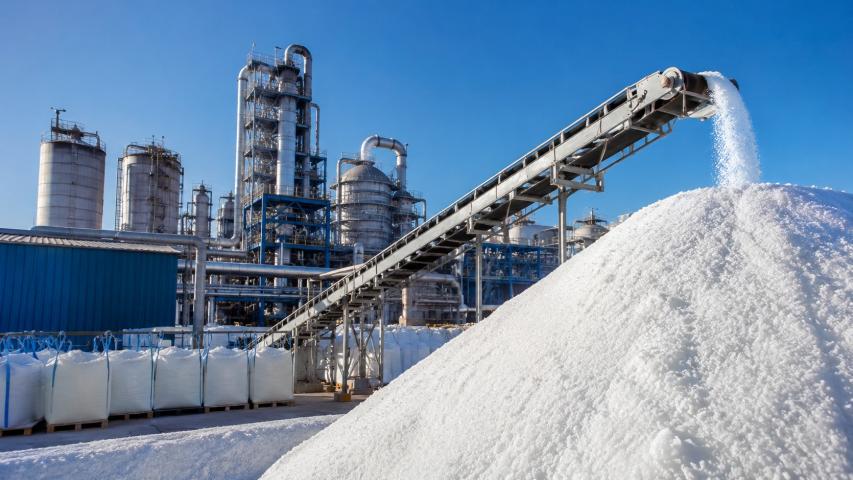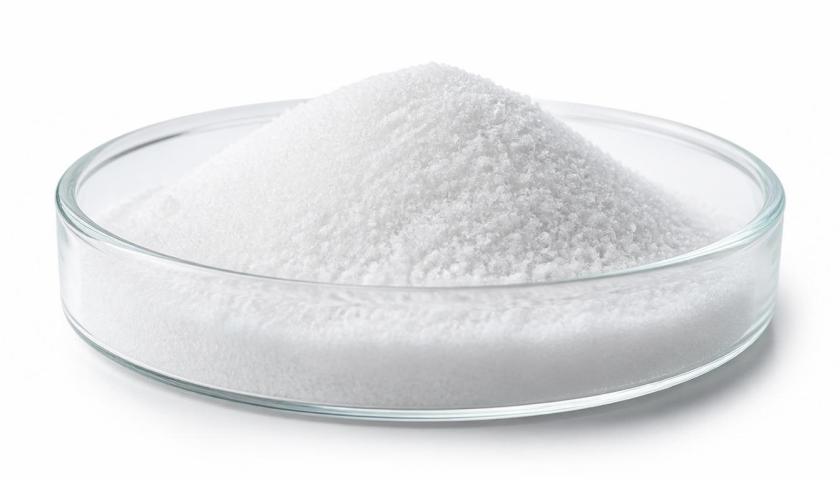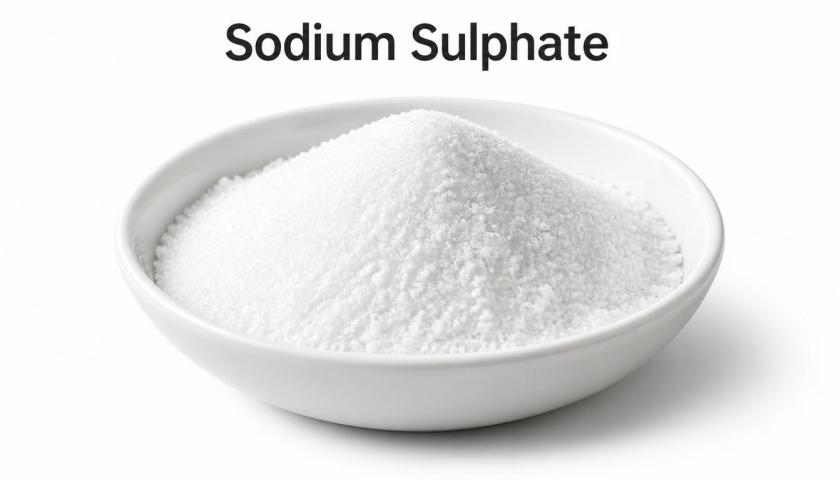
The Sodium Sulphate Price Trend has become an important topic for businesses involved in detergents, glass manufacturing, textiles, paper production, and chemical processing. As industries continue to adjust to changing economic conditions, buyers and suppliers are paying closer attention to pricing movements and future market direction. Over the past few months, the market has shown a mix of stability and short-term fluctuations influenced by production costs, regional demand, logistics, and industrial activity.
Understanding these factors helps businesses make smarter purchasing and inventory decisions. Whether you are a manufacturer, trader, or procurement professional, following the latest Sodium Sulphate Price Trend offers valuable insights into current conditions and future opportunities.
👉 👉 👉 Please Submit Your Query for Sodium Sulphate Price Trend, demand-supply, suppliers, market analysis: https://www.price-watch.ai/book-a-demo/
Understanding the Sodium Sulphate Price Trend
The Sodium Sulphate Price Trend has remained relatively balanced in many markets, although occasional price changes have reflected shifts in industrial demand and supply availability. While the market has not experienced extreme volatility, buyers have noticed moderate fluctuations caused by changing energy costs, transportation expenses, and seasonal purchasing patterns.
Demand from detergent manufacturers continues to play a significant role in determining market direction. At the same time, industries such as glass, textiles, and pulp & paper contribute to overall consumption, creating a steady foundation for market growth. As a result, Sodium Sulphate Prices have generally responded to both industrial demand and production economics rather than sudden market speculation.
Recent Market Movement
Recent months have highlighted a cautious but active market. In several regions, purchasing activity increased as manufacturers prepared for seasonal production cycles. This stronger demand helped maintain stable pricing despite some fluctuations in raw material and energy costs.
On the supply side, producers have largely managed to keep inventories balanced. However, temporary logistics challenges and rising transportation costs have occasionally influenced regional pricing differences. These factors have made Sodium Sulphate Prices slightly more dynamic than in previous periods, although overall market stability has remained intact.
Many buyers are also adopting shorter procurement cycles instead of maintaining large inventories. This strategy allows companies to respond more quickly to changing market conditions while reducing inventory-related risks.
Supply and Demand Factors
Production Costs Continue to Shape Pricing
One of the biggest influences on the Sodium Sulphate Price Trend is the overall cost of production. Energy expenses, labor costs, mining operations, and chemical processing all contribute to manufacturing costs.
Whenever production costs increase, suppliers often adjust prices to protect margins. On the other hand, improved manufacturing efficiency and stable energy markets can help keep pricing competitive.
Industrial Demand Remains Healthy
Demand continues to come from several major industries. The detergent sector remains the largest consumer, using sodium sulphate as an important filler in powdered detergent formulations. Glass manufacturers also require consistent supplies for production processes, while textile and paper industries continue to support long-term demand.
Because demand is spread across multiple industries, the market generally avoids dramatic price swings and instead experiences gradual adjustments throughout the year.
Industry Trends Influencing the Market
Several long-term trends are shaping the sodium sulphate industry beyond simple price movements.
Manufacturers are increasingly focusing on operational efficiency to reduce production costs while maintaining product quality. Investments in modern production technologies are helping improve output and reduce waste.
Sustainability has also become an important consideration. Many companies are looking for cleaner production methods, better resource utilization, and environmentally responsible manufacturing practices. Although these initiatives require investment, they can improve long-term competitiveness and support more stable market conditions.
Digital supply chain management is another noticeable trend. Better forecasting, inventory tracking, and demand planning are helping both suppliers and buyers make faster and more informed purchasing decisions.
Regional Market Sentiment
Regional market conditions continue to influence the overall Sodium Sulphate Price Trend.
In Asia, manufacturing activity remains strong, supported by large detergent and chemical industries. Stable industrial production has helped maintain consistent demand, although export activity and freight costs continue to influence pricing.
European markets remain more cautious due to changing industrial output and energy market conditions. Buyers are carefully monitoring procurement strategies while maintaining steady purchasing volumes.
North America continues to experience relatively balanced market conditions, supported by stable industrial demand and consistent domestic production. Meanwhile, emerging economies are gradually increasing consumption as manufacturing capacity expands.
These regional differences create opportunities for international traders who closely monitor supply availability and price variations across global markets.
Challenges and Opportunities
Like many industrial chemicals, sodium sulphate faces several ongoing challenges.
Transportation expenses continue to affect delivered pricing, especially for international shipments. Rising fuel costs and occasional shipping delays can temporarily impact market competitiveness.
Another challenge involves changing industrial demand. Since several end-use industries respond directly to economic growth, slower manufacturing activity may reduce short-term consumption.
Despite these challenges, significant opportunities remain. Expanding detergent production, infrastructure development, and industrial growth in developing economies continue to support long-term market demand.
Manufacturers that improve production efficiency and strengthen supply chain management are likely to benefit from changing market conditions while maintaining competitive pricing.
Sodium Sulphate Price Forecast: Market Outlook and Future Expectations
The Sodium Sulphate Price Forecast suggests that the market is expected to remain relatively stable over the coming months, although moderate fluctuations are still possible.
Demand from detergents, glass manufacturing, and industrial applications is likely to remain healthy as production activity continues across major economies. At the same time, future pricing will largely depend on energy costs, transportation expenses, and overall industrial growth.
If supply chains continue operating efficiently and raw material availability remains stable, significant price spikes appear less likely. However, unexpected disruptions in logistics or manufacturing could still create temporary upward pressure on Sodium Sulphate Prices.
Businesses that regularly monitor the Sodium Sulphate Price Forecast will be better positioned to plan procurement, manage inventory, and negotiate supplier contracts with greater confidence.
Practical Insights for Market Participants
For buyers, monitoring monthly pricing trends instead of reacting to short-term fluctuations can improve purchasing decisions. Flexible procurement strategies often provide better value than making large purchases during uncertain market conditions.
Suppliers should continue focusing on operational efficiency, customer relationships, and reliable delivery performance. Consistent service often becomes a competitive advantage during periods of market uncertainty.
Manufacturers can reduce cost pressures by improving production planning and optimizing inventory management. Meanwhile, traders should closely follow regional price differences, freight rates, and industrial demand to identify profitable trading opportunities.
Conclusion
The Sodium Sulphate Price Trend continues to reflect a market shaped by balanced industrial demand, manageable supply conditions, and changing production economics. While short-term fluctuations remain possible due to logistics, energy costs, and regional market activity, the overall outlook remains cautiously positive. The Sodium Sulphate Price Forecast points toward a stable market supported by steady demand from key industries and ongoing manufacturing growth. For buyers, suppliers, manufacturers, and traders, staying informed about Sodium Sulphate Prices and adapting procurement strategies accordingly will remain essential for making confident business decisions in an evolving global marketplace.
👉 👉 👉 Please Submit Your Query for Sodium Sulphate Price Trend, demand-supply, suppliers, market analysis: https://www.price-watch.ai/book-a-demo/
About Price-Watch™
Price-Watch™ is an India-based, independent price reporting agency (PRA) that provides real-time price forecasts and data-driven insights into global raw material markets. It specializes in tracking prices, analyzing market trends, and delivering timely updates on plant shutdowns, supply disruptions, capacity expansions, and demand–supply dynamics. Price-Watch™ reporting goes beyond prices to include grade-level insights, applications, and country-level demand intelligence you can trust. Powered by AI forecasting and over a decade of historical data, the Price-Watch™ platform empowers manufacturers, traders, and procurement professionals to make faster, smarter decisions and turn market volatility into actionable opportunity.
Futura Tech Park,
C Block, 8th floor 334,
Old Mahabalipuram Road,
Sholinganallur, Chennai, Tamil Nadu, Pin code - 600119.
Linkedin: https://www.linkedin.com/company/price-watch-ai/
Facebook: https://www.facebook.com/people/Price-Watch/61568490385598/
Twitter: https://x.com/pricewatchai
Website: https://www.price-watch.ai/