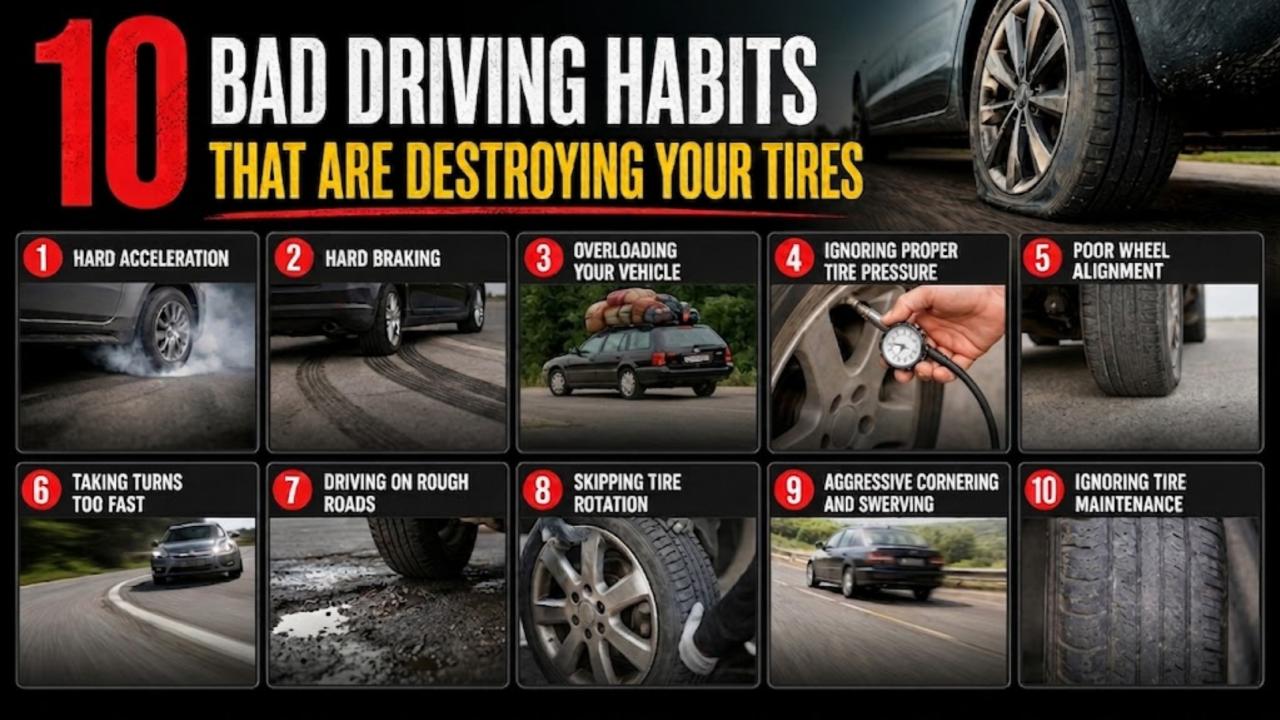
Tires are one of the pricier parts of maintaining your vehicle, and a lot of us are wasting money on purchasing new ones frequently. Although there are some factors out of our control, like bad weather and car accidents, there are a lot of daily driving habits that cause your tires to wear.
Just be mindful of your tire maintenance, and the money you save is likely to reach the hundreds. Additionally, it's better for your car long term.
1. Slamming on the Brakes (and Gas)
Aggressive driving is the fastest way to scrub the life right off your tires. When you slam on the brakes, the sudden friction creates extreme heat and rubs down the tread in one specific spot, which can lead to flat spots. On the flip side, stomping on the gas pedal causes the tires to spin against the pavement, rapidly wearing them away.
The Fix: Make sure you are driving in a way that is conscious of other cars and people. Anticipate and be aware of what is going on around you and prepare to stop instead of slamming the brakes.
2. Taking Corners Like a Racecar Driver
Quick turns without slowing down put a lot of weight on the front tires, causing a lot of bald spots on the outside edges of the tires. If there is a significant amount of tread wear on the edges, and the center of the tire has deep tread, you know what your problem is.
The Fix: Do your braking in a straight line before you enter a turn, then gently accelerate as you steer out of it.
3. Ignoring the TPMS Light
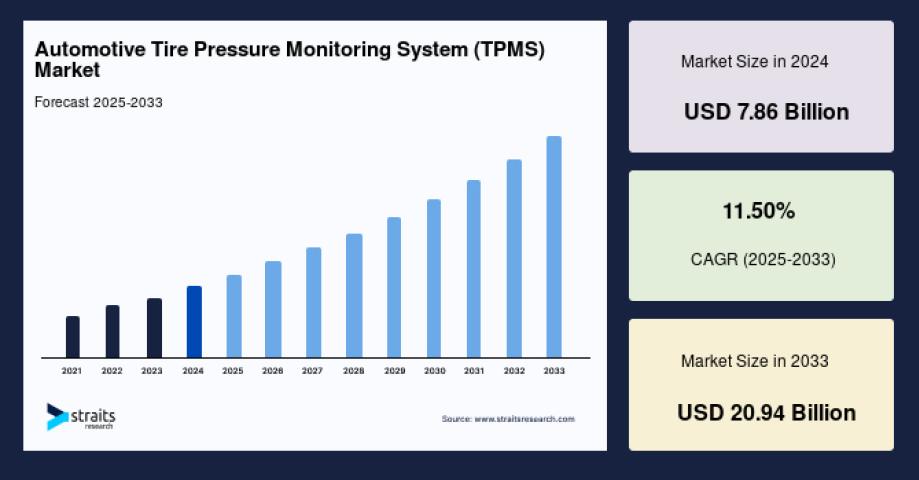
Your Tire Pressure Monitoring System (TPMS) is designed to warn you when a tire is dangerously low on air. Driving on underinflated tires causes the rubber to sag, placing too much pressure on the outer shoulders of the tread.
It also creates excess heat, which can lead to a sudden blowout. Conversely, overinflating causes the center of the tire to bulge and wear out prematurely.
The Fix: Don't treat the warning light like a decoration. Check your pressure monthly with a hand gauge, as temperature drops can easily alter your pressure.
4. Curb Kissing and Sidewall Scraping
If you misjudge when to stop for parallel parking, or make a right turn too close, your car tires can rub up on a concrete curb. When a tire sidewall gets scraped, it can get dangerous, as the sidewall doesn't contain the tough steel belts that are found directly beneath the tire tread. The tire sidewall contains flexible fabric cords and specialized rubber that aid in shaping the tire. Scraping a tire sidewall can cut into the already flexible fabric cords, which can lead to a tire bulging and tearing. This can also lead to a dangerous tire blowout that can't be repaired in any way.
The Fix: Adjust your side mirrors downward when parking, take tight turns a bit wider, and take your time when navigating tight drive-throughs.
5. Tailgating Other Vehicles
Following the car in front of you too closely sets off a chain reaction of micro-braking. Because you don't have a buffer zone to coast, you are constantly tapping or slamming on your brakes to match their speed. This constant friction results in uneven tire wear patterns over time.
The Fix: Maintain a safe gap of three seconds between you and the car in front of you. This ensures that you have room to slow down and come to a stop without hitting the car in front of you.
6. Speeding Over Speed Bumps and Potholes
Hitting a pothole or two when driving a little too fast, or going a little too fast over speed bumps, can also cause injury to the internal structure of a tire. When a severe impact occurs, it causes a tire to pinch up against the wheel, which can easily cause damage to the tire.
Furthermore, these hard impacts throw your wheels out of alignment, which causes the tire tread to drag sideways and wear down at a drastically accelerated rate.
The Fix: Slow down to a crawl while actively scanning the road ahead to navigate around potholes safely.
7. Overloading Your Vehicle
Every passenger vehicle is rated for a maximum weight limit, and putting close to that weight in your vehicle will also eventually wear the tires out faster. This is also very difficult to manage because the added weight increases resistance on the tire and generates massive heat and rubber wear.
The Fix: Check your vehicle's owner's manual for its payload capacity and clear out heavy, unnecessary junk from your trunk or truck bed.
8. Leaving Your Car Sitting for Weeks
Tires are built to move. The rubber compounds contain anti-aging chemicals that are only distributed when the tire rolls and warms up. When a vehicle sits parked in one spot for too long, the constant weight of the car flattens the bottom section of the tire against the ground, causing permanent "flat-spotting" and cracking.
The Fix: Even if you don't have anywhere to go, take your car out for a quick 15-minute drive once a week to keep the rubber pliable and the shape round.
9. Riding the Brakes Down Long Hills
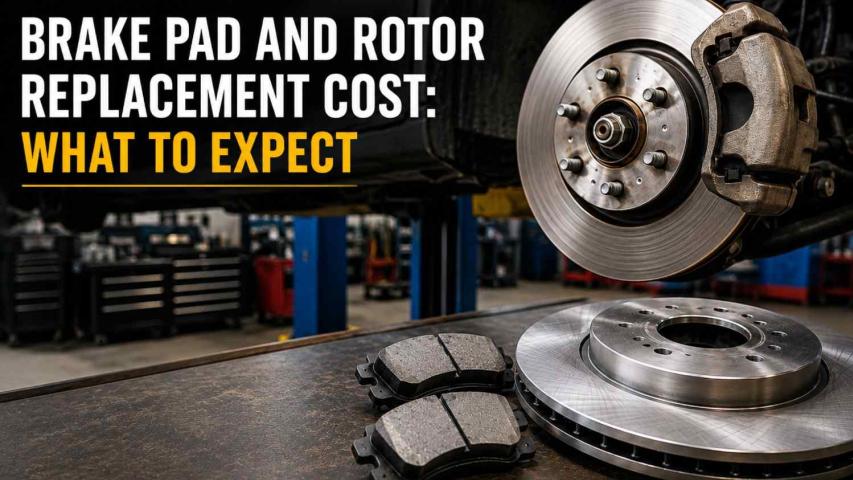
Resting your foot continuously on the brake pedal while driving down a long incline creates immense, sustained heat in your braking system. This extreme thermal energy transfers directly from the brake rotors to the wheels and right into your tires, accelerating the breakdown of the tire materials and shortening their lifespan.
The Fix: Even if your car is automatic, if you shift into a lower gear, your car can control how fast you go down a hill, which is called engine braking.
10. Neglecting Regular Rotations and Alignments
Driving over bumps and not rotating your tires can cause one of your tires to bald. Driving with misalignment can also cause tires not to roll but drag sideways on the road.
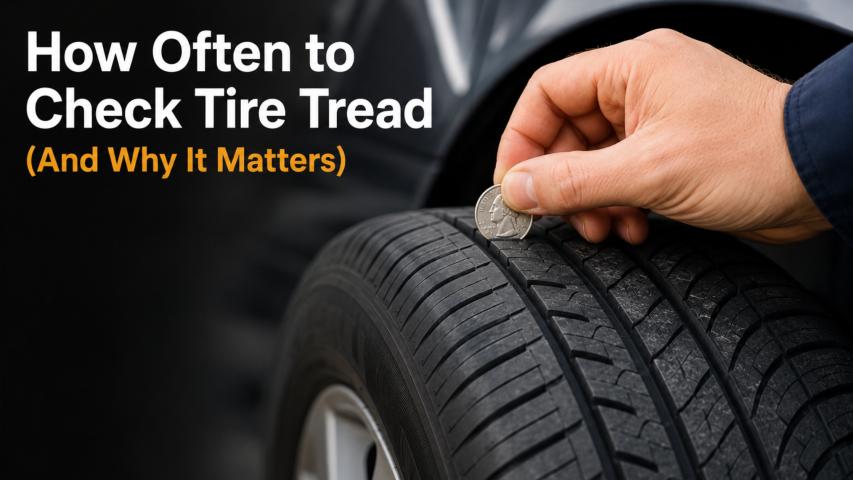
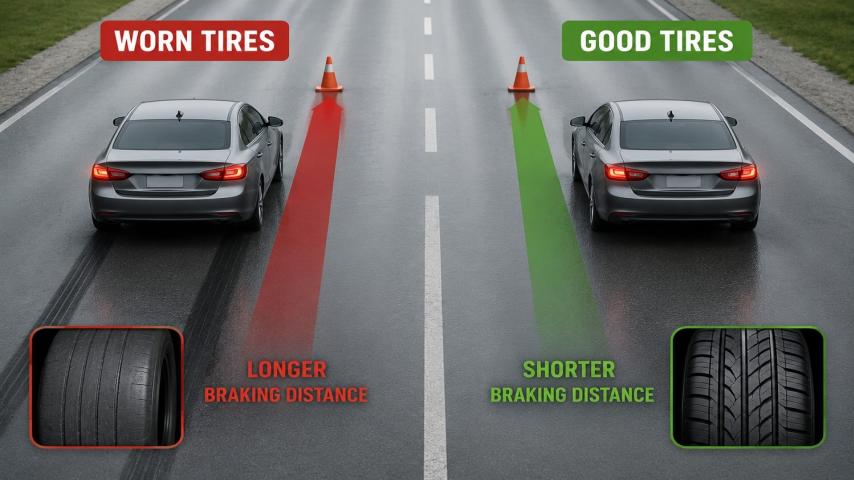
Understanding these dynamics is critical because proper tire care prevents dangerous road failures, ensuring you maintain traction when you need it most.
The Fix: Get your tires rotated every 5,000 to 7,500 miles and have your alignment checked at least once a year.
The Next Stop: Protecting Your Investment
Your driving habits can easily cause your tires to last five years, or wear in two. Pay attention to your dashboard warnings, avoid aggressive stops and obstacles, and your tires will be in good shape for a long time.
If your tread starts getting uneven and your car starts pulling in a direction, you may need to get your tires checked with a professional tire repair shop to ensure you and your vehicle remain safe year-round.