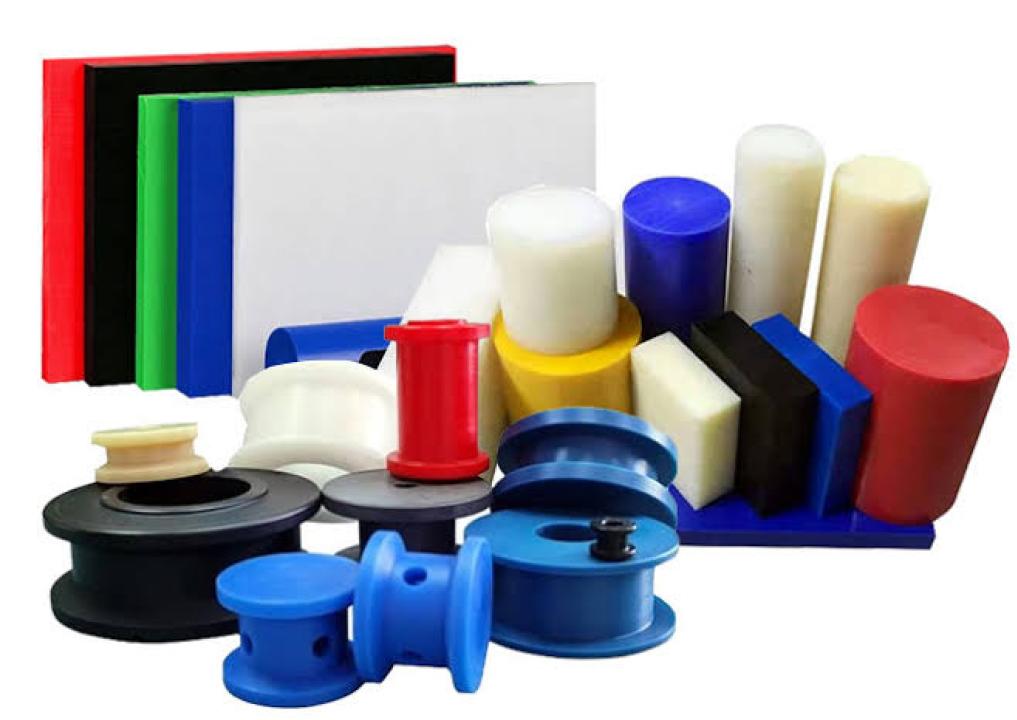
The PA66
Price Trend showed a steady upward movement during the first quarter of
2026 as demand improved across several manufacturing industries. After a slower
final quarter in 2025, many businesses resumed purchasing activities,
especially in automotive components, electrical equipment, engineering
plastics, and industrial applications. This recovery in demand helped
strengthen the market even though buyers remained careful with their purchasing
decisions. At the same time, the cost of important raw materials such as adipic
acid and hexamethylene diamine (HMDA) increased, raising production expenses
for manufacturers. These combined factors supported a positive market
environment throughout the quarter.
The global market also received additional support from
higher crude oil prices during March 2026. Rising geopolitical tensions
increased energy costs, which affected the production of many petrochemical
products, including PA66. Although manufacturers faced higher operating
expenses, buyers did not rush into large purchases. Instead, many companies
continued buying only according to their immediate production needs while
slowly rebuilding inventories. This cautious buying behavior prevented sudden
price spikes but still allowed the market to move upward gradually. During
March, most major global markets recorded monthly price increases of around
3.5% to 4%, showing healthy but controlled market growth.
Please Submit Your Query For PA66 Price Trend, Market
Analysis and Forecast: https://www.price-watch.ai/book-a-demo/
China remained one of the key markets influencing global
trade. Demand improved from manufacturers producing automotive parts,
industrial machinery, and engineering plastics after weaker market conditions
at the end of 2025. Rising feedstock costs, together with higher crude oil
prices, increased manufacturing expenses for exporters. Despite strong
competition among suppliers, export offers gradually increased throughout the
quarter. Manufacturers carefully balanced production with customer demand, helping
maintain stable supply while supporting higher market values. As a result, the
Chinese market continued to provide positive momentum for many importing
countries.
India also experienced a firm market throughout the first
quarter. Import prices increased because of higher freight charges, rising
crude oil costs, and a weaker exchange rate, making imported material more
expensive. Domestic manufacturers and processors in the automotive, electrical,
and engineering sectors gradually increased procurement as business conditions
improved. Better demand, combined with rising production costs, encouraged
suppliers to revise their offers upward during the quarter. The domestic market
also benefited from higher import prices, which supported local pricing. During
March, the Indian market recorded one of the strongest monthly gains as
manufacturers continued purchasing to meet steady production requirements.
Several other Asian countries also witnessed healthy market
conditions. South Korea experienced stronger demand from automotive parts
manufacturers and engineering plastics producers as business activity gradually
recovered. Thailand saw improving procurement from electrical equipment
manufacturers and industrial processors, while higher logistics expenses and
feedstock costs supported supplier pricing. Taiwan benefited from improved
export demand as downstream industries resumed purchasing after a cautious
previous quarter. Manufacturers across the region carefully managed production
and inventories, preventing oversupply while maintaining balanced market
conditions.
Markets outside Asia also followed a positive direction.
Brazil recorded moderate growth as stable demand from automotive and consumer
durable manufacturers supported import activity. Improved shipping availability
helped limit freight cost increases, preventing excessive price pressure while
allowing the market to remain firm. Australia also experienced gradual
improvement as engineering plastics manufacturers continued purchasing
according to production needs. Stable shipping conditions reduced transportation
challenges, while stronger global feedstock costs helped maintain supplier
confidence throughout the quarter.
One of the noticeable features of the first quarter was the
balanced relationship between supply and demand. Although production costs
increased because of higher raw material and energy prices, manufacturers
continued operating at stable levels to meet customer requirements. Buyers
remained disciplined by purchasing according to immediate needs instead of
building excessive inventories. This approach created a steady market where
prices moved upward without experiencing sudden volatility. Improved business
confidence across industries such as automotive, consumer electronics,
industrial machinery, and engineering plastics also contributed to healthier
trading activity compared to the previous quarter.
Looking ahead, the market outlook appears cautiously
positive. If downstream industries continue expanding production and demand
remains stable, the market may continue receiving support from healthy
consumption. However, future movements will still depend on changes in crude
oil prices, raw material availability, freight costs, and global economic
conditions. Manufacturers will likely continue monitoring production expenses
closely while buyers balance inventory levels with actual consumption needs. During
this period, PA66
Prices remained supported by stronger industrial demand, rising
feedstock costs, and improving confidence across major global manufacturing
sectors, allowing the market to maintain a firm and steady direction.
Please Submit Your Query For PA66 Price Trend, Market
Analysis and Forecast: https://www.price-watch.ai/book-a-demo/
About Price Watch™ AI
Price-Watch AI is an India-based, independent raw material
price reporting agency that provides real-time price forecasts and data-driven
insights into global raw material markets. Price-Watch AI specializes in
tracking raw material prices, analyzing market trends, and delivering timely
updates on plant shutdowns, supply disruptions, capacity expansions, and
demand-supply dynamics. The Price-Watch AI platform empowers manufacturers,
traders, and procurement professionals to make faster, smarter decisions.
Leveraging AI-powered forecasting and over a decade of historical data,
Price-Watch AI transforms market volatility into actionable opportunity.
Futura Tech Park,
C Block, 8th floor 334,
Old Mahabalipuram Road,
Sholinganallur, Chennai, Tamil Nadu, Pincode - 600119.
𝐋𝐢𝐧𝐤𝐞𝐝𝐈𝐧:
https://www.linkedin.com/company/price-watch-ai/
𝐅𝐚𝐜𝐞𝐛𝐨𝐨𝐤:
https://www.facebook.com/people//61568490385598/
𝐓𝐰𝐢𝐭𝐭𝐞𝐫:
https://x.com/pricewatchai
𝐖𝐞𝐛𝐬𝐢𝐭𝐞:
https://www.price-watch.ai/