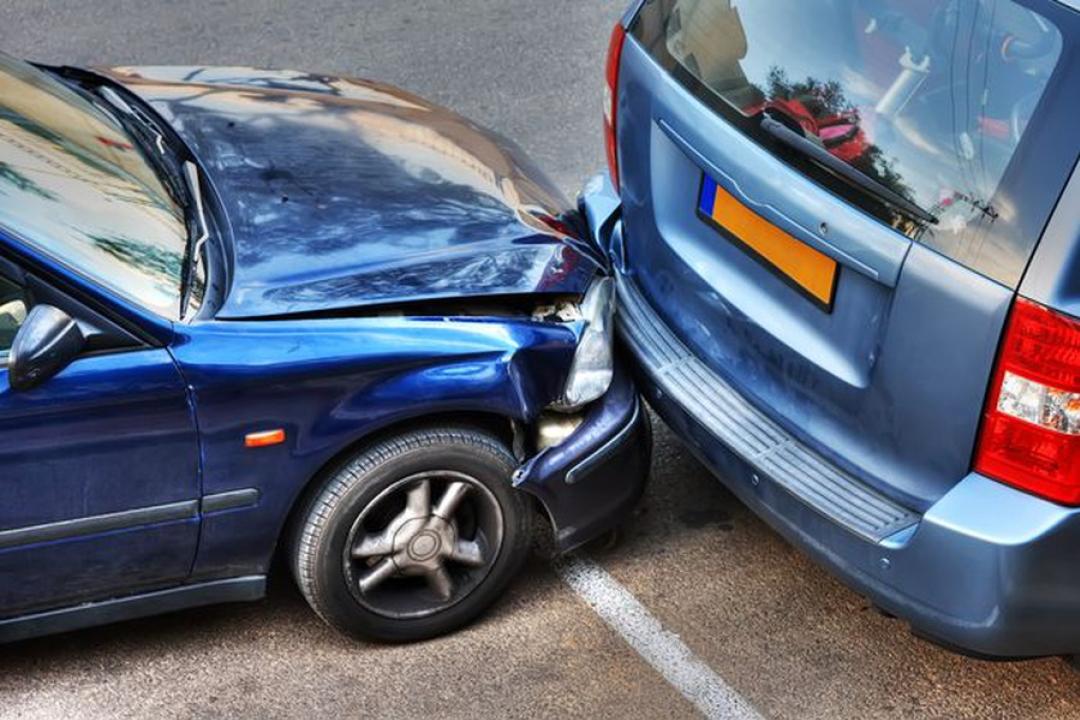
It may seem daunting to repair your automobile following a car accident, particularly if the damage seems to be merely superficial. However, contemporary automobiles are complicated pieces of equipment that may conceal major structural concerns behind what looks like a little dent. Restoring a car's safety, structural integrity, and functionality to its pre-accident condition is a thorough, multi-stage operation known as Accident Car Repair, not just making it seem attractive again. This operation goes beyond applying a new coat of paint and includes anything from correcting a crooked frame to adjusting delicate electronic safety systems. This step-by-step approach may simplify the repair process, allowing you to make wise judgments and guarantee that your car is actually safe to drive again. The critical phases of collision repair are examined.
Assessing the Damage Is the Essential Initial Stage
The first step in the entire repair procedure is a thorough damage evaluation. All damaged parts of the car's outside and inside are identified through a thorough visual assessment performed by technicians. In order to identify fault codes that the impact caused, modern repair facilities employ electronic diagnostic equipment to scan the vehicle's computer systems. Because a crash may damage a vehicle's advanced electronics as well as its bodywork, this stage is essential. To initiate the process of insurance coordination and, importantly, to generate a thorough repair estimate, an initial assessment is conducted. During the disassembly procedure, hidden damage is frequently uncovered, resulting in an update to the estimate.
Disassembly: Discovering the Unseen Truth
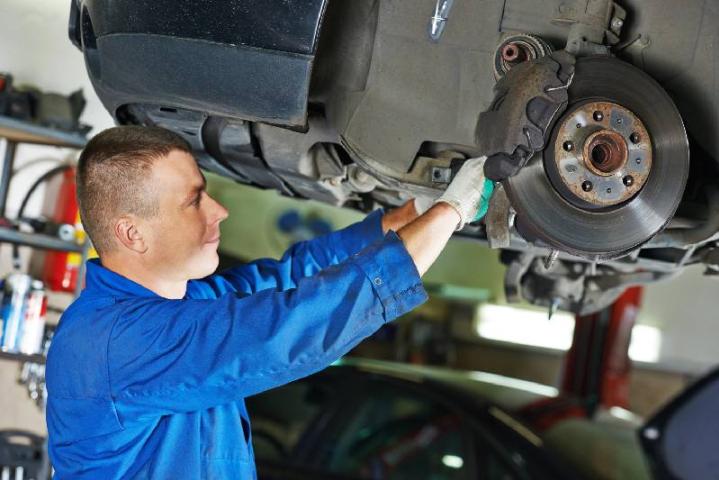
The car proceeds to the disassembly stage once the first assessment has been finished and a repair strategy is being developed. Technicians meticulously disassemble the broken parts, removing trim, panels, and other parts to determine the complete scope of the damage. Because a seemingly minor scuffed bumper may be hiding a broken structural rail or a misplaced sensor bracket, this is a crucial step. The repair shop may locate every problem that wasn't apparent from the exterior by disassembling the automobile layer by layer. To avoid expensive shocks or safety-endangering shortcuts in the future, this level of detail guarantees that the repair plan is accurate and full.
The Centre of Security: Frame and Structural Repair
This is arguably the most crucial period for the vehicle's future safety. It is necessary to restore the frame or unibody structure of the car to the precise specifications provided by the manufacturer if it has been twisted or misaligned. With the use of specialised tools like hydraulic pulling equipment and computerised measuring benches, this procedure is referred to as frame straightening. Technicians secure the car to the bench and use precise electronic measuring systems to guarantee alignment to within a few millimetres while pulling the structure back into form with a regulated force. Since an improperly aligned frame might reduce a vehicle's handling and crashworthiness as well as cause premature tyre wear, this step is important.
Fixing or Replacing Bodywork and Panels
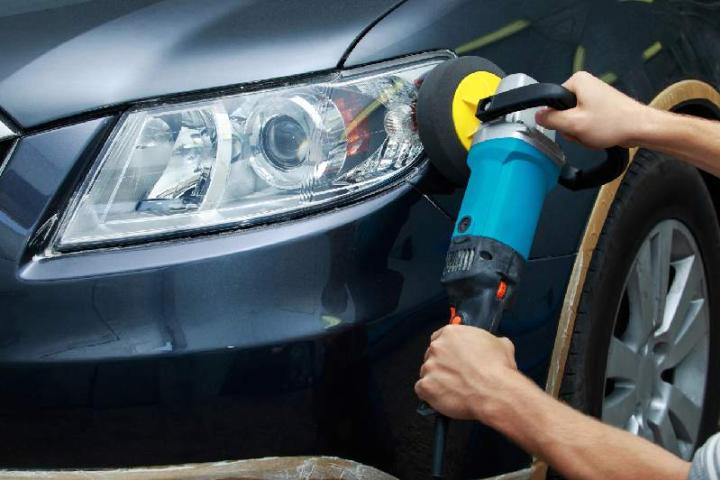
The exterior body panels are given attention once the frame has been fixed. Panels such as fenders, doors, and bumpers are either completely replaced or repaired, depending on the extent of the damage. While more serious damage needs traditional bodywork that includes sanding, filling, and reshaping, small dents can be fixed with paintless dent repair. The selection of parts (original equipment manufacturer versus aftermarket) is taken into account when a replacement is required, with OEM parts frequently favoured for a guaranteed fit, particularly in areas where safety is crucial. To restore the car's aerodynamics and aesthetics during this stage, technicians meticulously ensure proper panel gaps and alignment.
Conclusion
After an accident, knowing the repair process for collision vehicles will help you make wise choices. It's a difficult, several-stage process that emphasises regaining the vehicle's structural integrity and safety systems rather than just making aesthetic modifications. Every step is essential, from the first damage appraisal and complex structural alignment to the accurate recalibration of safety sensors. Any major damage necessitates the assistance of a professional repairer armed with the appropriate tools and know-how, even though little cosmetic problems may be handled at home. You can make sure your vehicle is fixed correctly, ensuring its safety and performance for the future, by being aware of what to anticipate.