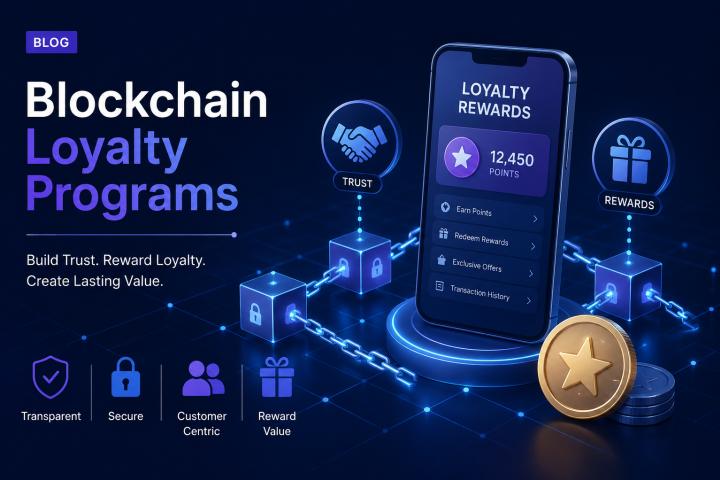
What Is a Tokenized Loyalty Program? A Complete Guide for Businesses
Customer loyalty is becoming more expensive to maintain. Traditional rewards programs often suffer from low engagement, limited redemption options, fragmented customer experiences, and high operational costs.
According to multiple industry reports, billions of loyalty points expire unused every year because customers find them difficult to redeem or simply forget about them. Businesses, meanwhile, struggle with managing multiple reward systems across brands, partners, and channels.
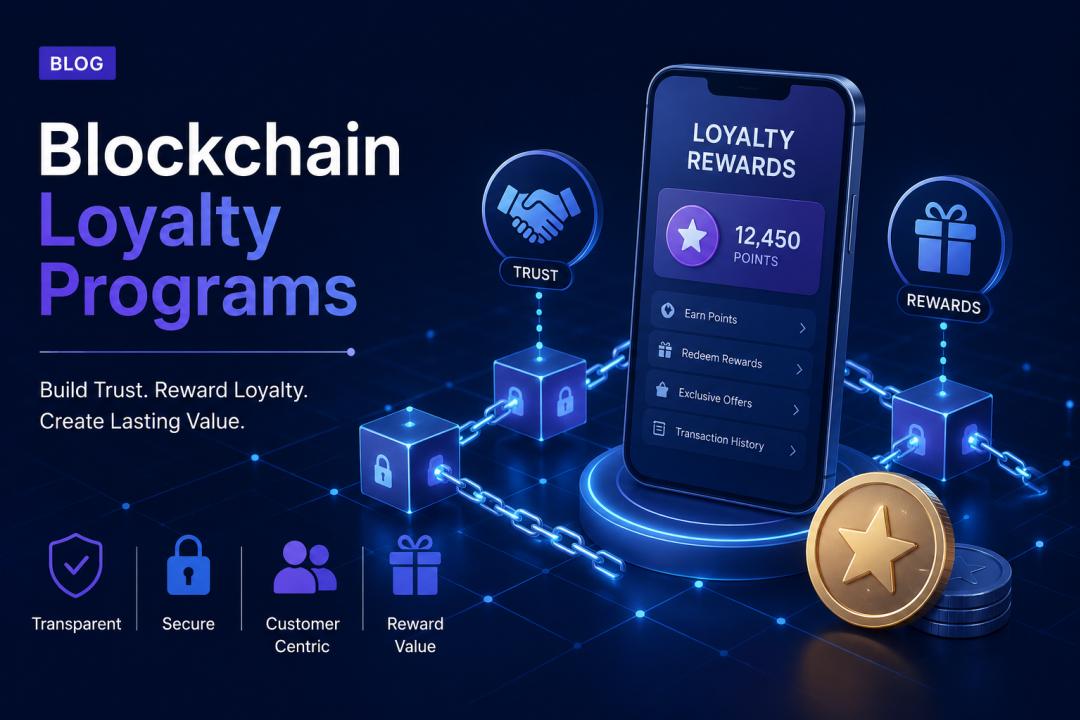
A tokenized loyalty program solves these problems by replacing traditional reward points with blockchain-based digital tokens. These tokens can be transferred, exchanged, redeemed instantly, and managed with complete transparency.
As blockchain adoption accelerates across financial services, retail, hospitality, travel, gaming, and e-commerce, tokenized loyalty is emerging as one of the most practical enterprise applications of digital assets.
In this guide, we'll explain everything businesses need to know—from how tokenized loyalty works to implementation strategies and enterprise use cases.
What Is a Tokenized Loyalty Program?
A tokenized loyalty program is a customer rewards system where loyalty points are issued as blockchain-based digital tokens instead of being stored in a centralized database.
Unlike traditional loyalty points, tokenized rewards are programmable digital assets that can represent value, privileges, memberships, discounts, or exclusive customer benefits.
These tokens can be:
Earned after purchases
Redeemed across multiple merchants
Traded (if permitted)
Gifted to family or friends
Used across partner ecosystems
Automatically distributed through smart contracts
Because they exist on blockchain infrastructure, every transaction is transparent, secure, and auditable.
Traditional Loyalty Programs vs Tokenized Loyalty Programs
| Feature | Traditional Loyalty Program | Tokenized Loyalty Program |
|---|---|---|
| Reward Storage | Centralized database | Blockchain ledger |
| Transparency | Limited | Complete audit trail |
| Transferability | Usually restricted | Configurable |
| Redemption | Single brand | Multi-brand ecosystem |
| Expiration | Common | Optional |
| Fraud Prevention | Moderate | High |
| Smart Automation | Limited | Smart contracts |
| Partner Integration | Complex | Easier via blockchain |
| Ownership | Controlled by business | Digital asset owned by customer |
Why Businesses Are Moving Toward Tokenized Loyalty
Several market trends are accelerating adoption.
1. Customers Want Flexible Rewards
Consumers increasingly expect rewards that can be used across multiple brands instead of being locked into one ecosystem.
Tokenization makes interoperability much easier.
2. Higher Customer Engagement
Traditional reward points often sit unused.
Digital tokens encourage customers to:
Redeem rewards sooner
Track balances more frequently
Participate in promotions
Join referral campaigns
Earn through community engagement
3. Reduced Loyalty Program Costs
Tokenized ecosystems automate many manual processes, including:
Reward issuance
Redemption
Fraud detection
Partner settlements
Reward reconciliation
Automation significantly reduces operational overhead.
4. Better Customer Ownership
Blockchain enables customers to truly own their rewards rather than simply having balances stored inside one company's database.
This improves trust and perceived value.
How Does a Tokenized Loyalty Program Work?
A typical workflow looks like this:
Step 1: Customer Registration
Customers create an account and are linked to a digital wallet (custodial or non-custodial).
Step 2: Purchase
A customer purchases products or services.
Step 3: Token Issuance
Instead of traditional points, blockchain tokens are automatically issued.
Example:
Spend $100
Receive 100 Loyalty Tokens
Smart contracts calculate rewards automatically.
Step 4: Wallet Storage
Tokens appear instantly in the customer's wallet.
Customers can monitor balances in real time.
Step 5: Redemption
Customers redeem tokens for:
Discounts
Products
Event access
Gift cards
Membership upgrades
Exclusive experiences
Step 6: Settlement
Blockchain records every redemption permanently.
Businesses gain a real-time audit trail without manual reconciliation.
Benefits of Tokenized Loyalty Programs
1. Complete Transparency
Every reward transaction is recorded on blockchain.
Businesses eliminate disputes around:
Missing rewards
Incorrect balances
Fraudulent redemptions
2. Programmable Rewards
Smart contracts allow businesses to automate:
Birthday rewards
Seasonal campaigns
Referral bonuses
Tier upgrades
Cashback
Partner incentives
3. Improved Customer Retention
Rewards become more valuable because customers can actually use them.
Flexible rewards encourage repeat purchases.
4. Cross-Brand Partnerships
Businesses can create shared loyalty ecosystems.
Example:
A customer earns rewards from:
Airline
Hotel
Restaurant
Retail store
and redeems them anywhere inside the ecosystem.
5. Better Fraud Prevention
Blockchain significantly reduces:
Duplicate rewards
Unauthorized modifications
Manual manipulation
Fake accounts
6. Real-Time Analytics
Blockchain provides businesses with valuable insights into:
Redemption rates
Customer engagement
Token circulation
Campaign effectiveness
Partner performance
Enterprise Use Cases
Retail
Retailers issue reward tokens after purchases.
Customers redeem them online or in physical stores.
Airlines
Airlines tokenize frequent flyer miles.
Travel partners can participate without complex integrations.
Hospitality
Hotels reward guests with blockchain tokens that can be redeemed for:
Room upgrades
Spa services
Dining
Partner experiences
E-Commerce
Online marketplaces create ecosystem-wide loyalty programs covering multiple sellers.
Automotive
Manufacturers reward:
Vehicle servicing
Test drives
Referrals
EV charging
Food & Beverage
Restaurants create digital membership programs with tokenized rewards that work across franchise locations.
Healthcare
Wellness programs issue tokens for:
Fitness goals
Preventive screenings
Healthy life>
Key Features of an Enterprise Tokenized Loyalty Platform
Businesses should look for platforms offering:
Blockchain-based token issuance
Smart contract automation
Role-based access controls
Customer wallet integration
KYC/AML support (where applicable)
Multi-brand ecosystem support
Analytics dashboards
API integrations
ERP integration
CRM integration
Mobile SDKs
Compliance controls
Permissioned or public blockchain deployment
Public vs Permissioned Blockchain
Public Blockchain
Advantages:
Greater interoperability
Public verification
Large ecosystem
Suitable for:
Consumer-facing loyalty ecosystems
Examples include Polygon and Ethereum-compatible networks.
Permissioned Blockchain
Advantages:
Greater privacy
Enterprise governance
Controlled participant access
Higher throughput
Suitable for:
Banking
Insurance
Enterprise consortiums
Private loyalty ecosystems
Challenges Businesses Should Consider
Although tokenized loyalty offers major advantages, implementation requires planning.
Regulatory Compliance
Depending on jurisdiction, digital reward tokens may require legal review to ensure they are treated as utility or loyalty assets rather than regulated financial instruments.
Customer Education
Some users may be unfamiliar with blockchain wallets or digital assets. Offering custodial wallets and simple user experiences can reduce friction.
Integration Complexity
Existing CRM, ERP, e-commerce, and POS systems should integrate smoothly with the blockchain platform through APIs.
Governance
Businesses need clear rules around:
Token issuance
Redemption
Expiration
Partner participation
Fraud controls
How to Launch a Tokenized Loyalty Program
A successful rollout typically follows these steps:
Define business objectives and KPIs.
Design the reward token model and customer incentives.
Select a blockchain infrastructure (permissioned or public).
Develop smart contracts for reward issuance and redemption.
Integrate CRM, POS, ERP, and payment systems.
Pilot the program with a limited customer segment.
Monitor performance, gather feedback, and scale across regions or partners.
Why Blockchain Is the Future of Customer Loyalty
Modern customers expect instant, flexible, and personalized rewards. Blockchain technology enables businesses to meet these expectations while reducing operational complexity and improving transparency.
Tokenized loyalty programs transform rewards into programmable digital assets that can power broader partner ecosystems, automate campaign execution, and deliver measurable value for both customers and enterprises.
As digital commerce evolves, tokenized loyalty is likely to become a core component of customer engagement strategies across industries.
Why Enterprises Choose Spydra for Tokenized Loyalty Programs
Spydra is an enterprise-grade asset tokenization platform that enables organizations to build secure, scalable, and compliant blockchain applications, including tokenized loyalty ecosystems.
With Spydra, businesses can:
Issue programmable loyalty tokens
Automate rewards using smart contracts
Integrate with existing CRM, ERP, and POS systems
Deploy on permissioned or public blockchain networks
Enforce business rules and compliance policies
Scale from pilot projects to enterprise-wide deployments
Whether you're launching a retail rewards program, a travel loyalty network, or a multi-brand ecosystem, Spydra provides the infrastructure needed to modernize customer engagement through blockchain.
Frequently Asked Questions
What is a tokenized loyalty program?
A tokenized loyalty program replaces traditional reward points with blockchain-based digital tokens that customers can earn, manage, and redeem securely. These tokens can be programmed with business rules and used across broader partner ecosystems.
How is tokenized loyalty different from traditional loyalty programs?
Traditional programs store points in centralized databases, while tokenized loyalty uses blockchain to provide greater transparency, security, interoperability, and automation through smart contracts.
Are tokenized loyalty tokens cryptocurrencies?
Not necessarily. Most loyalty tokens are utility tokens designed specifically for rewards and customer engagement. They typically do not function as speculative cryptocurrencies.
Which industries benefit from tokenized loyalty programs?
Retail, hospitality, travel, airlines, e-commerce, automotive, food and beverage, healthcare, entertainment, and financial services can all benefit from tokenized loyalty ecosystems.
Can tokenized loyalty programs integrate with existing systems?
Yes. Modern enterprise platforms provide APIs and connectors to integrate blockchain-based loyalty with CRM, ERP, POS, e-commerce platforms, and mobile applications.
Final Thoughts
Tokenized loyalty programs represent the next generation of customer engagement. By combining blockchain technology with programmable rewards, businesses can create more transparent, flexible, and engaging experiences while reducing administrative overhead and improving customer retention.
For enterprises looking to future-proof their loyalty strategy, tokenization offers a scalable path toward interconnected reward ecosystems, stronger brand partnerships, and data-driven customer engagement.