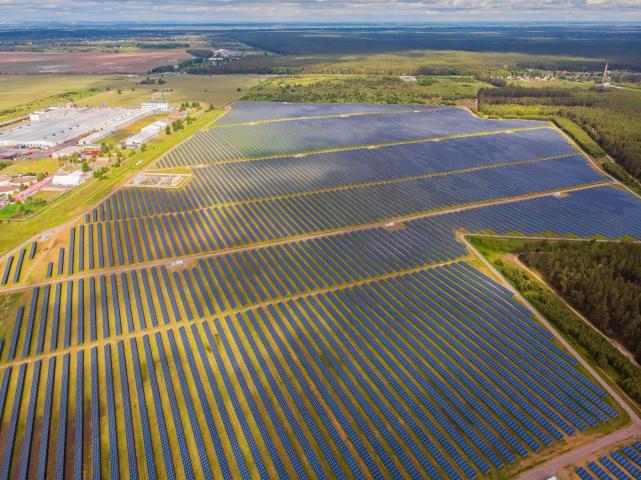
India's power sector is evolving at an unprecedented pace, driven by increasing energy demand, renewable energy expansion, digital transformation, and ambitious infrastructure goals. From ultra-high voltage transmission networks to utility-scale solar parks and industrial electrification projects, every stage of power infrastructure development demands precision, accountability, and operational excellence.
However, successful project execution is no longer measured solely by completing projects on time and within budget. Today, transparency, governance, compliance, digital monitoring, and stakeholder accountability have become equally important in determining long-term project success.
Organizations that integrate transparent processes with strong governance frameworks are better equipped to reduce project risks, improve quality standards, ensure regulatory compliance, and build long-lasting relationships with clients, investors, and government agencies.
Across the industry, leading epc companies in india are increasingly adopting digital governance models, standardized reporting systems, and intelligent project monitoring to improve execution efficiency while strengthening trust among stakeholders. This transformation is setting new benchmarks for the country's infrastructure sector.
Why Transparency Matters in Power Infrastructure Projects
Power infrastructure projects involve multiple stakeholders including government authorities, developers, utilities, financial institutions, EPC contractors, equipment manufacturers, consultants, and local communities.
Without transparency, projects often face:
- Budget overruns
- Delayed approvals
- Procurement challenges
- Contract disputes
- Quality inconsistencies
- Regulatory non-compliance
- Poor stakeholder communication
Transparent project management creates complete visibility into every stage of execution.
This includes:
- Procurement tracking
- Material quality verification
- Financial reporting
- Site progress monitoring
- Vendor accountability
- Health & Safety compliance
- Environmental reporting
Modern top epc companies in india are leveraging integrated digital platforms that provide real-time visibility across multiple project locations, enabling faster decision-making and proactive risk management.
Governance: The Foundation of Sustainable Project Delivery
Governance establishes the framework through which projects are planned, monitored, evaluated, and controlled.
Strong governance ensures:
- Defined responsibilities
- Ethical procurement practices
- Standardized workflows
- Risk management
- Contract compliance
- Regulatory adherence
- Performance monitoring
Instead of reacting to project issues after they occur, governance enables organizations to anticipate potential challenges through structured planning and continuous monitoring.
As India's infrastructure ecosystem grows larger and more complex, governance has become a strategic advantage rather than simply a compliance requirement.
Digital Transformation is Improving Project Transparency
One of the biggest developments in modern EPC execution is digitalization.
Advanced digital platforms now connect every aspect of project execution, from engineering and procurement to commissioning and maintenance.
These technologies enable:
- Live dashboards
- Digital inspections
- Cloud documentation
- Drone-based monitoring
- GIS mapping
- Asset tracking
- Automated reporting
- Remote approvals
For infrastructure projects spread across multiple locations, digital governance reduces manual errors while improving collaboration between project teams.
Leading solar epc companies are increasingly integrating digital engineering with real-time project analytics to improve execution quality and operational efficiency throughout the project lifecycle.
Smart Monitoring Through SCADA Technologies
Modern power infrastructure depends heavily on intelligent monitoring systems that provide continuous operational visibility.
A SCADA system in power system environments enables operators to monitor substations, transmission networks, and renewable energy assets from centralized control centers.
Key advantages include:
- Remote asset monitoring
- Fault detection
- Performance optimization
- Event logging
- Alarm management
- Predictive maintenance
- Reduced downtime
An advanced SCADA control system continuously collects operational data from field devices, allowing engineers to respond quickly to abnormal conditions.
Many utilities are also implementing a SCADA based system integrated with IoT devices, analytics platforms, and AI-based forecasting tools for improved grid reliability.
The adoption of SCADA in power systems is helping organizations improve operational transparency while supporting data-driven governance across critical infrastructure assets.
Governance in Renewable Energy Projects
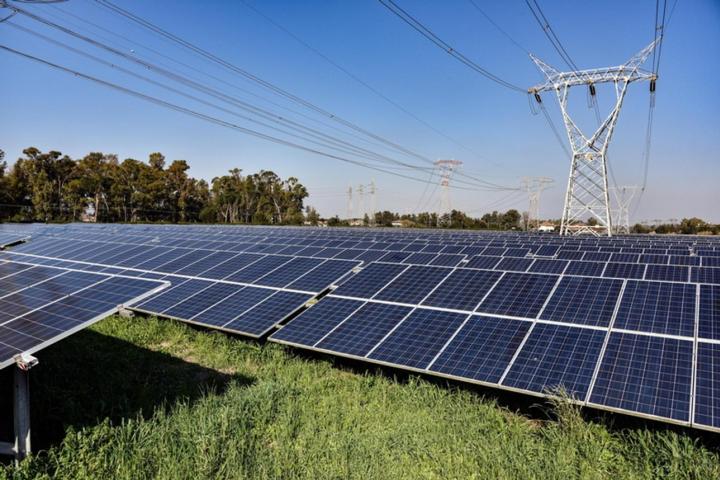
Renewable energy projects involve unique challenges including land acquisition, environmental approvals, weather uncertainties, equipment logistics, and grid integration.
Transparency becomes particularly important during:
- Site selection
- Module procurement
- Civil construction
- Electrical installation
- Quality inspections
- Grid synchronization
- Performance testing
Today's epc solar companies are implementing digital documentation systems that provide complete traceability from equipment procurement to final commissioning.
This ensures that every project milestone is verifiable, auditable, and compliant with contractual obligations.
Among the top solar epc companies in india, governance frameworks increasingly include ESG reporting, sustainability metrics, carbon accounting, and lifecycle asset management to meet investor and regulatory expectations.
Reliable Electrical Infrastructure Supports Better Governance
Project transparency is strengthened when electrical equipment performs reliably and consistently.
Every major substation, industrial plant, renewable energy installation, and commercial facility depends upon robust electrical systems designed according to international standards.
Some of the most important infrastructure components include:
Medium Voltage Distribution
A modern medium voltage switchboard forms the backbone of electrical distribution systems by ensuring safe power distribution, protection, and switching operations.
Similarly, a high-performance medium voltage panel supports operational reliability through advanced protection mechanisms and intelligent monitoring capabilities.
These systems reduce operational risks while improving maintenance visibility.
Low Voltage Distribution
Efficient power distribution at the consumer end depends upon reliable low-voltage infrastructure.
Leading low voltage switchboard manufacturers are developing intelligent switchboards equipped with advanced monitoring, protection, and communication features.
A modern lv switchgear panel provides:
- Safe load distribution
- Circuit protection
- Fault isolation
- Energy monitoring
- Improved operational safety
Such systems contribute significantly to governance by generating operational data that supports preventive maintenance and compliance reporting.
Control and Protection Systems Improve Accountability
Electrical protection systems play a crucial role in ensuring grid reliability.
Every substation relies on sophisticated protection equipment to detect faults and isolate affected sections without disrupting the entire network.
A relay control panel continuously monitors electrical parameters and activates protection mechanisms during abnormal operating conditions.
Similarly, a control and relay panel integrates monitoring, protection, and control functions into a single coordinated system.
Modern control relay panel manufacturers in india are incorporating intelligent electronic devices (IEDs), digital communication protocols, and IEC 61850 standards to improve automation and diagnostics.
A reliable control and relay panel in substation environments ensures:
- Faster fault isolation
- Improved operator safety
- Reduced equipment damage
- Better operational visibility
- Enhanced grid reliability
Specialized applications such as the 132 kv control relay panel provide advanced protection for high-voltage substations where operational reliability is critical.
These intelligent systems also generate valuable operational data that supports governance audits and regulatory reporting.
Packaged Substations Accelerate Project Delivery
Power projects increasingly require modular infrastructure solutions that reduce construction timelines while maintaining quality standards.
A packaged transformer substation integrates transformers, switchgear, protection systems, and control equipment into a compact factory-tested unit.
Benefits include:
- Faster installation
- Reduced civil work
- Improved safety
- Lower maintenance
- Factory-tested reliability
- Simplified commissioning
Factory-built substations also improve transparency by reducing on-site variability and ensuring consistent manufacturing quality.
Governance Throughout the EPC Lifecycle
Strong governance extends across every phase of project execution.
Engineering
- Standardized design reviews
- Digital engineering validation
- Technical documentation control
Procurement
- Vendor qualification
- Ethical sourcing
- Material traceability
- Digital inventory management
Construction
- Daily reporting
- Safety audits
- Quality inspections
- Progress tracking
Commissioning
- Performance verification
- Testing documentation
- Regulatory compliance
- Final acceptance procedures
Operations & Maintenance
- Predictive maintenance
- Asset health monitoring
- Digital performance dashboards
- Continuous improvement initiatives
Organizations that integrate governance into every project stage achieve higher efficiency while minimizing project risks.
Building Stakeholder Trust Through Transparency
Transparent communication strengthens relationships with every stakeholder involved in a power project.
Clients benefit from:
- Accurate project updates
- Budget transparency
- Performance reporting
Investors gain confidence through:
- Risk management
- ESG compliance
- Financial visibility
Government agencies receive:
- Regulatory documentation
- Environmental compliance reports
- Safety records
Communities benefit from:
- Better environmental practices
- Responsible construction
- Improved public communication
This ecosystem of trust ultimately improves project outcomes while enhancing the reputation of project developers and EPC contractors.
The Future of Transparent Power Infrastructure
Emerging technologies are reshaping governance across the power sector.
Some of the most impactful innovations include:
- Artificial Intelligence for predictive analytics
- Digital Twins for asset lifecycle management
- Blockchain for procurement transparency
- IoT-enabled equipment monitoring
- Cloud-based project management
- Drone-assisted inspections
- Machine learning for risk prediction
- Integrated enterprise dashboards
As infrastructure projects become increasingly complex, organizations that invest in digital governance will gain a significant competitive advantage.
Future-ready power projects will rely not only on engineering excellence but also on data-driven decision-making, transparent reporting, and intelligent automation.
Empower Your Next Power Project with Trusted EPC Expertise
As India's power sector continues to modernize, transparency, governance, and digital innovation are becoming the cornerstones of successful infrastructure projects. Whether you're developing renewable energy assets, upgrading substations, or implementing advanced automation systems, partnering with an experienced EPC company can significantly improve project efficiency, compliance, and long-term performance.
At Hartek Group, we combine engineering excellence with transparent project management, advanced digital technologies, and world-class electrical infrastructure solutions to deliver reliable and future-ready power systems. From substations and SCADA systems to renewable energy projects and intelligent electrical panels, our commitment to quality and governance helps organizations achieve sustainable project outcomes.
Looking to build smarter, safer, and more efficient power infrastructure? Connect with Hartek Group today and discover how our end-to-end EPC solutions can power your next project with confidence.
Frequently Asked Questions (FAQs)
1. Why are transparency and governance important in power infrastructure projects?
Transparency and governance help ensure projects are completed on time, within budget, and in compliance with regulatory standards. They improve accountability, reduce project risks, enhance stakeholder confidence, and enable better decision-making throughout the project lifecycle.
2. How does a SCADA system in power system improve project performance?
A SCADA system in power system enables real-time monitoring, remote control, fault detection, and performance analysis of electrical assets. It improves operational efficiency, minimizes downtime, supports predictive maintenance, and provides valuable data for informed decision-making.
3. What role does a control and relay panel play in substations?
A control and relay panel is responsible for monitoring, controlling, and protecting electrical equipment in substations. It detects electrical faults, isolates affected circuits, and ensures the safe and reliable operation of the power network, reducing equipment damage and improving system reliability.
4. Why are businesses choosing experienced epc companies in india for power projects?
Leading epc companies in india offer integrated engineering, procurement, construction, testing, and commissioning services under one roof. Their expertise ensures efficient project execution, better risk management, regulatory compliance, cost optimization, and the successful delivery of complex power and renewable energy projects.
5. How do top solar epc companies in india ensure transparency in renewable energy projects?
Top solar epc companies in india adopt digital project management tools, quality assurance processes, material traceability, real-time reporting, and automated monitoring systems. These practices improve project visibility, strengthen governance, ensure compliance, and help deliver high-quality solar infrastructure with greater efficiency.