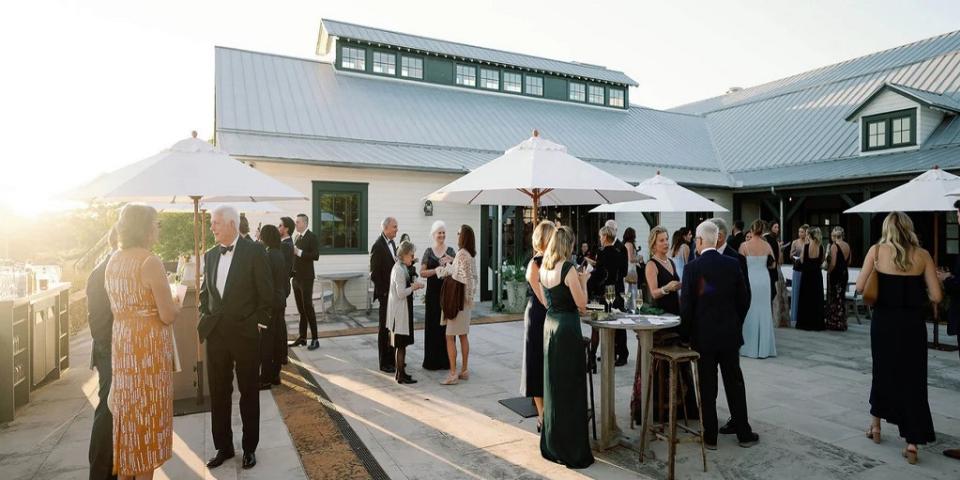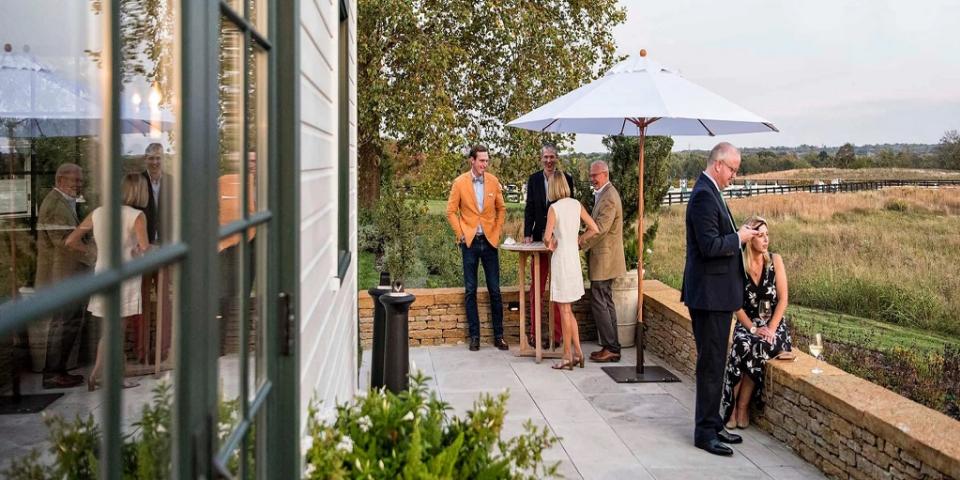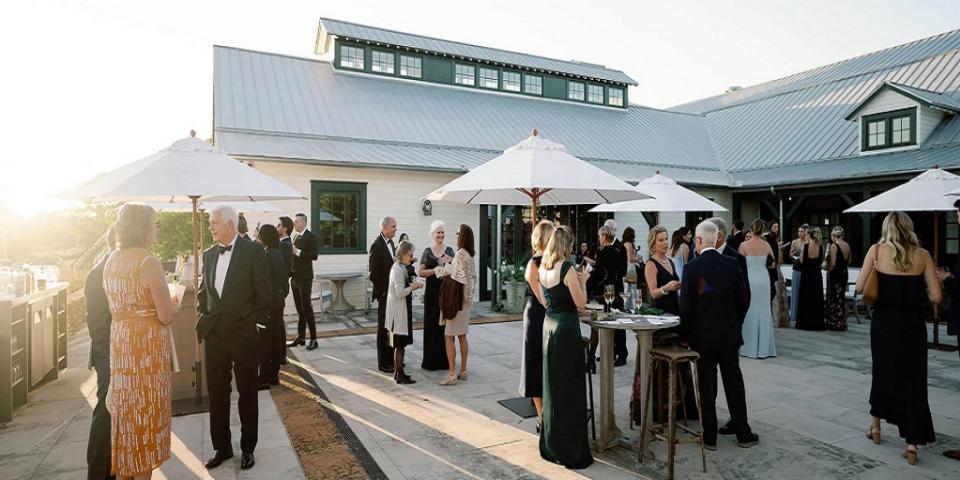
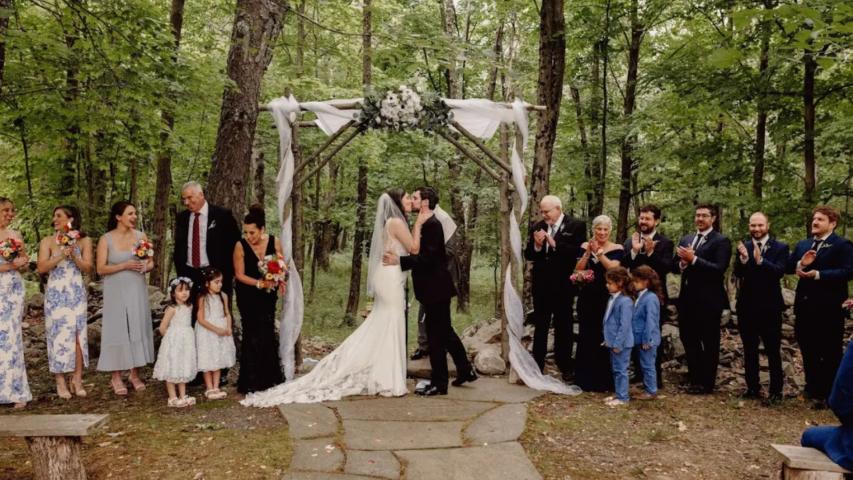
When planning a wedding or hosting a large event, the venue represents far more than just a scenic backdrop—it is the operational hub of your entire event.
While lush landscapes, rustic barns, and mountain views captivate couples on initial tours, underlying logistical details determine whether the day runs smoothly or devolves into unexpected vendor fees and guest discomfort.
If you are evaluating outdoor, farm, or estate venues, here are four core operational factors to analyze before signing a contract.
1. Electrical Capacity & Utility Infrastructure
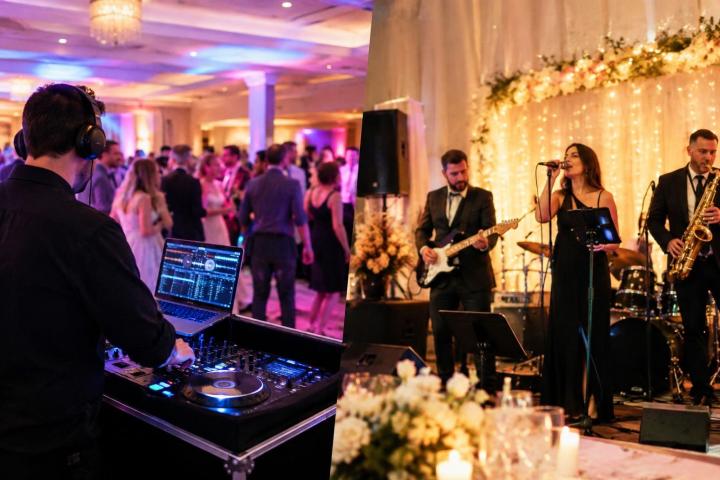
Outdoor and rural venues offer unmatched charm, but they can present unexpected power challenges. Commercial catering equipment, live bands, DJ setups, and decorative lighting draw significant wattage.
- Dedicated Circuits: Ensure the ceremony and reception sites have independent, high-amp circuits so a caterer’s warming oven doesn't trip the breaker during the first dance.
- Backup Power: Ask whether the property features a commercial-grade standby generator or if you are required to lease diesel generators independently.
2. Vendor Load-In Accessibility and Workflow
A venue's spatial layout directly impacts your vendor labor costs. If a florist or rental team has to carry heavy tables and arbor structures across hundreds of feet of unpaved terrain, setup times double—and so do labor fees.
Look for venues that provide:
- Paved or gravel load-in zones directly adjacent to the reception hall or lawn.
- Staging areas for caterers equipped with running water and proper prep space.
- Dedicated vendor parking separate from primary guest arrivals.
Operational Resource: Evaluating a venue requires looking far beyond surface-level charm. For a comprehensive walkthrough covering all 15 essential logistical, financial, and spatial criteria, read
. Lotuswood Farm's Complete Guide to Choosing a Wedding Venue
3. Guest Flow and Accessibility Metrics
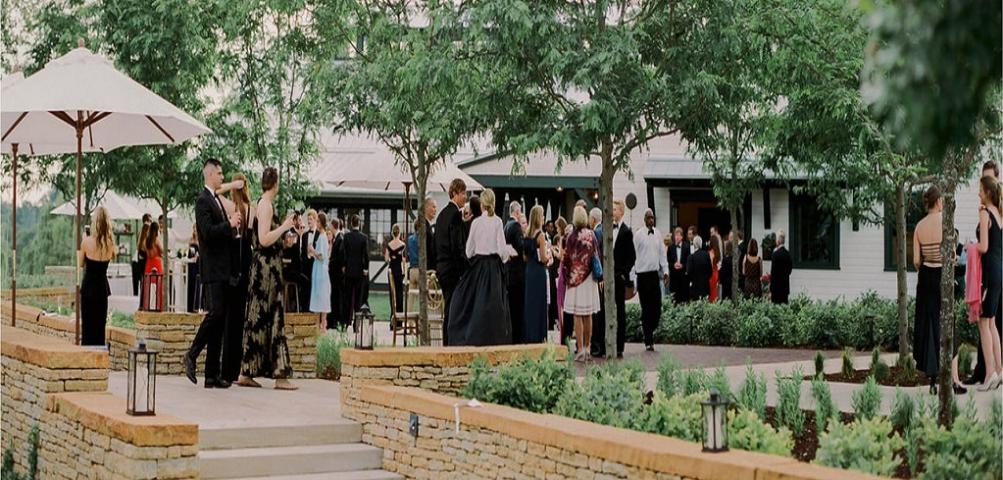
A well-designed venue naturally guides guests from one phase of the event to the next without congestion. Evaluate the physical layout for:
- Transition Proximity: Is the cocktail hour space within comfortable walking distance of the ceremony lawn
- Mobility Access: Are pathways paved, level, or accessible by golf carts for elderly guests or individuals with physical disabilities?
- Restroom Facilities: The standard operational ratio is 1 restroom per 50 guests. Ensure the venue has sufficient permanent facilities or dedicated space for luxury trailer units.
4. Noise Regulations and Contractual Curfews
Local sound ordinances can severely restrict your timeline. Many rural townships enforce strict decibel limits or mandatory outdoor music shutdowns by 10:00 PM.
Before placing a deposit, confirm:
- The exact decibel restrictions and required shutdown hours.
- Whether music can move to an indoor enclosed space after outdoor curfew hours.
- Specific rules regarding acoustic vs. amplified sound.
The Bottom Line
Treat your venue tour as an operational site audit. By verifying utility infrastructure, vendor accessibility, and contract clarity upfront, you safeguard your budget and guarantee a seamless experience for everyone involved.