Nigeria’s transportation sector is entering an increasingly digital era. Passengers are looking for faster ways to book rides, locate drivers, make payments, and track their journeys. At the same time, taxi businesses need better tools to handle growing booking volumes, coordinate drivers, monitor vehicles, and maintain service quality. A reliable taxi booking system can address these requirements by bringing the entire taxi operation into a connected digital environment.
For established taxi operators and emerging mobility startups, digital technology can reduce operational complexity while creating a more convenient customer experience. Instead of managing bookings through phone calls, spreadsheets, or manual driver allocation, businesses can use software to automate essential workflows.
In Nigeria’s busy urban centers, where transportation demand can fluctuate throughout the day, having a centralized platform can make it easier for businesses to respond to customers and utilize their fleets efficiently.
What Is a Taxi Booking System?
A taxi booking system is a technology platform designed to manage the process of requesting, assigning, completing, and tracking taxi rides. It normally includes applications for passengers and drivers, together with an administrative dashboard for the business.
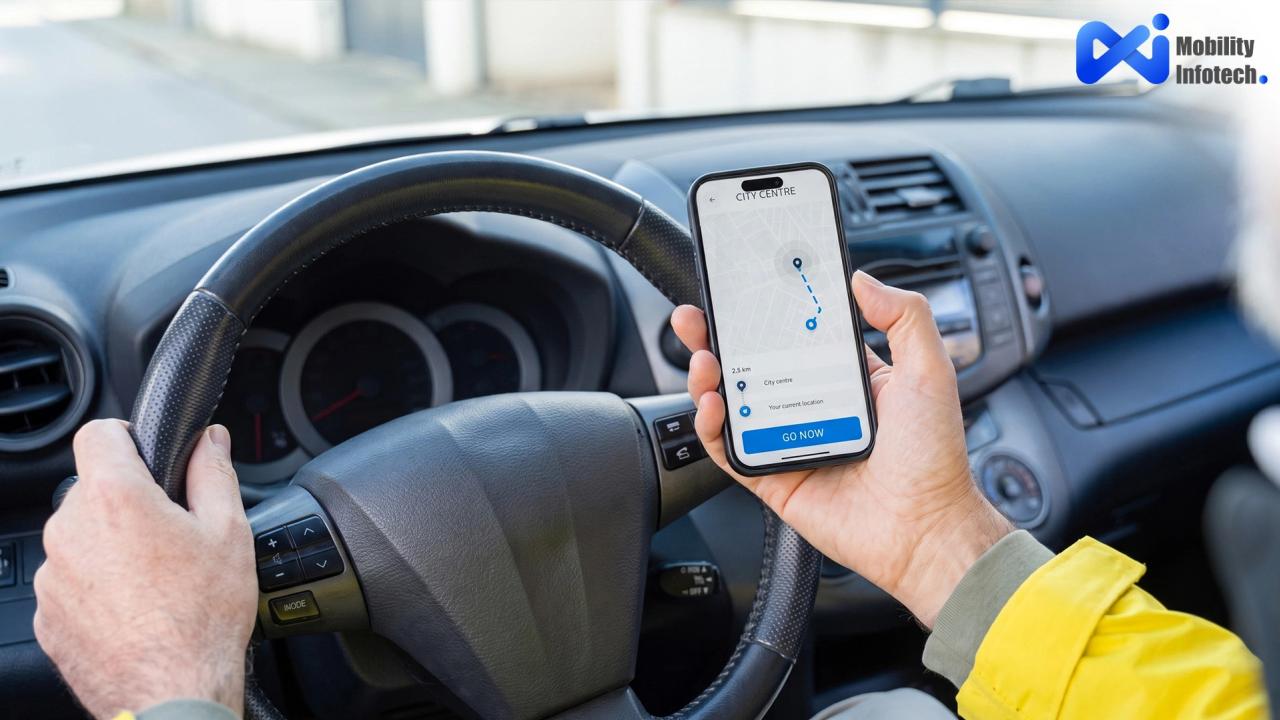
A customer can enter a pickup location, destination, and preferred service through the passenger application. The system processes the request and can identify an appropriate available driver. Once the driver accepts the booking, the passenger can receive driver information and monitor the vehicle's arrival.
Meanwhile, the operator can oversee bookings, drivers, payments, customers, and fleet activity from the admin panel.
This connected workflow can help transform a conventional taxi company into a more digitally organized mobility business.
Why Nigeria Is a Strong Market for Digital Taxi Services
Nigeria has a large urban population and a growing demand for convenient transportation services. Cities such as Lagos, Abuja, Port Harcourt, Ibadan, and Kano have diverse mobility requirements, creating opportunities for taxi companies that can provide reliable and accessible services.
However, operating a taxi business at scale can be challenging. Traffic, fluctuating demand, driver availability, and customer expectations all affect day-to-day performance.
A digital taxi booking system can help operators respond to these challenges through automation and real-time information.
For instance, when demand increases in a particular area, operators can use live fleet information to understand where available vehicles are located. Automated dispatching can then help connect passengers with nearby drivers without requiring extensive manual coordination.
Core Features Every Taxi Platform Should Offer
The effectiveness of transportation technology depends on the features it provides and how easily businesses can use them.
Passenger App
The passenger application is the primary customer-facing component of the platform. It should make booking a ride straightforward.
Customers can enter their pickup and destination, view estimated fares, select a vehicle category, request a ride, and receive booking confirmation. Additional features may include live tracking, trip history, ratings, digital receipts, and promotional offers.
A simple booking experience can help improve customer satisfaction and encourage repeat bookings.
Driver App
The driver application provides drivers with access to their assigned trips and essential information.
Drivers can receive ride requests, accept bookings, view passenger information, navigate to pickup locations, update trip status, and monitor their earnings.
The app can also allow drivers to manage availability, ensuring that the dispatch system knows when a vehicle is ready to accept another ride.
Admin Dashboard
The administrative dashboard provides centralized control over the entire operation.
Managers can monitor customers, drivers, bookings, vehicles, payments, service areas, and performance reports. They can also configure pricing rules and manage business settings.
For larger operations, the dashboard can become the central command center for daily transportation activities.
How Taxi Dispatching Software Automates Ride Allocation
One of the biggest challenges for taxi companies is assigning the right driver to the right passenger at the right time. Manual allocation becomes increasingly difficult as booking volumes grow.
Taxi dispatching software can automate this process by analyzing available drivers and matching them with incoming requests according to configured rules.
These rules may consider driver location, availability, vehicle category, trip requirements, and other operational factors.
Automated dispatching can reduce unnecessary waiting and make fleet operations more organized. Dispatchers can still intervene manually when unusual situations occur or when a particular booking requires special handling.
This combination of automation and manual control makes modern dispatch technology suitable for both smaller operators and growing fleets.
Why Cab Software Matters for Modern Taxi Companies
Technology can become much more valuable when different operational functions work together. Cab software can integrate booking, dispatch, fleet management, customer information, payment processing, and reporting into one platform.
Instead of entering the same information into different systems, businesses can manage data through a connected environment.
For example, when a passenger completes a booking, the platform can automatically create the trip record, notify a suitable driver, monitor the ride, calculate the fare, record the payment, and update the trip history.
This can save administrative time while reducing the possibility of errors caused by repetitive manual data entry.
Business owners can also use reports to understand revenue, booking volume, driver performance, cancellations, and peak demand periods.
White Label Taxi App for Entrepreneurs in Nigeria
Launching a branded taxi platform can require considerable development resources if every component is created from scratch. A white label taxi app can provide a faster and more flexible alternative.
A white-label solution gives entrepreneurs a pre-built technological foundation that can be adapted to their business identity and operational model.
Branding elements such as the company name, logo, colors, and application interface can be customized. Depending on the platform, businesses can also configure services, pricing structures, commission models, payment options, and geographic coverage.
A white label taxi app can therefore be particularly useful for startups that want to enter the market with a professional digital product while focusing their resources on customer acquisition and business development.
Payment Integration for Nigerian Taxi Businesses
Payment management is another important part of the digital taxi ecosystem. Customers may prefer different payment methods depending on their location, preferences, and circumstances.
A modern platform can integrate suitable payment gateways and support different transaction methods according to the business model.
Digital payment integration can provide customers with greater convenience while helping businesses maintain clearer transaction records.
Automated payment records can also make financial reporting and reconciliation easier for administrative teams.
GPS Tracking for Better Fleet Control
Real-time location tracking gives taxi companies visibility into their active fleet.
Through GPS functionality, administrators can view the locations of vehicles during active trips. Customers can also see the approaching vehicle and receive more accurate information about driver arrival.
Fleet managers can use location data to identify service gaps and understand how vehicles are distributed across different areas.
Over time, these insights can support better decisions about fleet positioning, driver schedules, and service expansion.
How a Taxi Booking System Improves Customer Experience
Customer experience is a major factor in the success of any taxi business. A passenger who has difficulty booking a ride or cannot determine when the driver will arrive may choose another service next time.
Digital technology can make the journey more transparent.
Customers can receive booking confirmations, driver details, estimated arrival information, live tracking, fare details, and digital receipts.
These features reduce uncertainty and give passengers greater control over their journey.
A smooth experience can also encourage positive ratings, referrals, and repeat bookings.
Benefits for Taxi Business Owners
Implementing a digital taxi booking system can provide benefits beyond customer convenience.
Operational Efficiency
Automation can reduce the amount of manual work required to manage bookings and drivers.
Better Fleet Utilization
Real-time information can help managers understand vehicle availability and utilization.
Faster Response
Automated driver matching can help businesses respond to ride requests more quickly.
Centralized Management
Business owners can manage key operations through a single administrative dashboard.
Data-Driven Decisions
Reports and analytics can provide insights into booking trends, revenue, customer activity, and driver performance.
Scalability
A scalable technology platform can support additional vehicles, drivers, customers, and service locations as the business grows.
Selecting the Right Taxi Technology in Nigeria
Taxi businesses should evaluate software according to their current and future requirements. Important considerations include scalability, customization, application performance, dispatch capabilities, GPS tracking, payment integrations, analytics, security, and technical support.
Businesses should also consider whether the platform can support multiple service categories and pricing models.
Ease of use is equally important. Passengers need a simple booking interface, drivers need an efficient trip-management application, and administrators need clear operational controls.
A platform that combines usability with advanced functionality can provide greater long-term value.
The Future of Taxi Operations in Nigeria
The future of transportation technology is likely to involve more automation, artificial intelligence, predictive analytics, and intelligent fleet management.
Businesses may increasingly use data to predict demand, identify busy areas, optimize driver allocation, and improve customer service.
As digital adoption grows, taxi companies that invest in scalable technology can create stronger foundations for future expansion.
The goal is not simply to offer app-based bookings. It is to create a connected mobility ecosystem where customers, drivers, vehicles, payments, and business intelligence work together.
Conclusion
The Nigerian taxi market is evolving as customer expectations and transportation technology continue to change. Businesses that rely on outdated manual processes may find it increasingly difficult to deliver the speed and convenience customers expect.
A modern taxi booking system can help solve this challenge by connecting passenger bookings, driver management, dispatching, payments, GPS tracking, and administrative operations within one digital platform.
By combining taxi dispatching software, flexible cab software, and a customizable white label taxi app, Nigerian taxi businesses can improve operational efficiency while creating a more convenient experience for passengers.
For entrepreneurs and established operators looking to build scalable transportation technology, Mobility Infotech offers mobility software solutions designed to support modern taxi operations, digital transformation, and long-term business growth.
Frequently Asked Questions
1. How does a taxi booking system work?
A taxi booking system allows passengers to request rides through an application or other digital channel. The platform processes the request, identifies an available driver, manages the trip, tracks its progress, calculates the fare, and records the completed booking.
2. Can taxi dispatching software assign drivers automatically?
Yes. Taxi dispatching software can use factors such as driver location, availability, vehicle type, and business rules to automatically identify suitable drivers for incoming bookings.
3. What is included in cab software?
Cab software can include passenger and driver apps, booking management, GPS tracking, automated dispatch, fare calculation, payment integration, notifications, ratings, fleet management, analytics, and administrative tools.
4. Is a white label taxi app suitable for Nigerian startups?
Yes. A white-label platform can give startups a customizable technology foundation for launching a branded taxi service while reducing the need to develop every component independently.
5. Can taxi software help a business expand to multiple cities?
Yes. A scalable platform can support additional drivers, vehicles, customers, service zones, and operational locations. Businesses should select software capable of supporting their anticipated growth.