Launching a Shopify store gives your business a powerful foundation for selling online. But building the store is only one part of the journey. To attract the right audience, generate qualified traffic, and turn visitors into customers, your brand needs a well-planned marketing strategy.
A professional Shopify Marketing Agency can help businesses bring together different areas of online marketing and create a strategy designed around their products, customers, and business objectives.
Turn Your Shopify Store Into a Growth Opportunity
The eCommerce market is competitive. Customers have more choices than ever, and brands need to give shoppers a clear reason to discover, trust, and purchase from them.
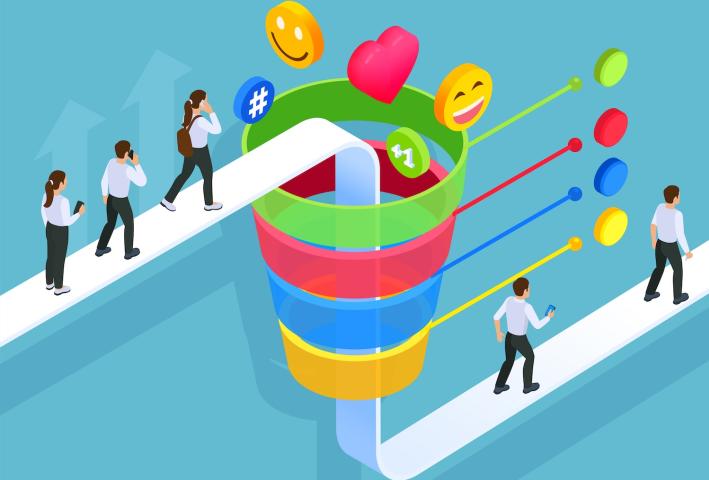
Marketing can help your store reach potential customers at different stages of the buying journey.
Some customers may discover your brand through Google. Others may see your products on social media, click an advertisement, read a blog post, or return after receiving an email.
A coordinated strategy allows these channels to work together instead of operating independently.
Shopify's ecosystem includes partners specializing in marketing and sales services such as SEO, search advertising, social media marketing, content marketing, conversion optimization, and analytics.
What Can a Shopify Marketing Agency Do for Your Business?
Every online store has different requirements. A growing brand may need help with search visibility, while an established store may be more focused on improving conversion rates or customer retention.
A marketing partner can support areas such as:
Search Engine Optimization
SEO helps search engines understand the content and purpose of your website.
For Shopify stores, optimization can involve product pages, collection pages, headings, page titles, descriptions, internal links, technical performance, and helpful content.
The goal isn't to fill a website with repetitive keywords. Instead, the content should provide useful information that matches what potential customers are looking for.
Shopify's current SEO guidance recommends focusing on search intent, useful original content, relevant keyword themes, and technical site health.
Paid Advertising
Paid advertising can put your products in front of relevant audiences while you build longer-term organic visibility.
Campaigns may include search ads, shopping campaigns, social advertising, remarketing, and other paid channels.
A good strategy should focus on more than clicks. Businesses can monitor conversions, acquisition costs, revenue, and other meaningful performance indicators to understand where their advertising budget is producing value.
Social Media Marketing
Social media gives brands another way to introduce products, communicate with customers, and build awareness.
Depending on your target market, a campaign might include product demonstrations, educational content, customer stories, short-form videos, promotional campaigns, and community engagement.
The right approach depends on your audience and the nature of your products rather than simply trying to be active on every platform.
Content Marketing
Helpful content can support both customer education and organic search visibility.
A Shopify brand could publish buying guides, product comparisons, tutorials, industry insights, frequently asked questions, or other content related to its customers' interests.
Content marketing is most effective when it answers genuine questions instead of being created solely to insert keywords.
Shopify describes content marketing as creating and sharing useful videos, blogs, and other content to build interest in a brand and its products.
Why Work With a Digital Marketing Agency?
Managing multiple marketing channels can become challenging as an eCommerce company grows.
SEO requires ongoing optimization. Advertising campaigns need monitoring. Social media needs consistent content. Analytics needs to be reviewed. Your website may also have opportunities to improve the customer experience.
Working with a Digital Marketing Agency can bring these activities together under one broader marketing strategy.
Rather than looking at traffic, advertising, content, and conversions as completely separate areas, an experienced team can evaluate how they work together.
This can make it easier to identify opportunities and prioritize marketing activities according to your business goals.
Improve the Customer Journey
Getting visitors to your Shopify store is only the beginning.
Once someone lands on your website, they need to understand what you offer and why your products are relevant to them.
This makes elements such as product photography, descriptions, pricing information, navigation, reviews, calls to action, mobile usability, and checkout experience important parts of eCommerce marketing.
Conversion optimization focuses on identifying friction in this journey and testing improvements that may make the purchasing process easier.
Use Data to Make Better Marketing Decisions
Marketing decisions should be supported by reliable data wherever possible.
Depending on your business model, useful metrics can include:
- Organic traffic
- Conversion rate
- Customer acquisition cost
- Average order value
- Advertising spend
- Return on advertising spend
- Repeat purchases
- Revenue by channel
- Email engagement
- Product performance
Shopify also provides marketing and analytics tools that allow merchants to understand where orders come from and evaluate advertising performance.
Data doesn't eliminate uncertainty, but it can help businesses make more informed decisions about where to invest time and budget.
How to Choose the Right Marketing Partner
Choosing an agency is an important decision. Before starting a partnership, consider several factors.
Relevant experience: Look for experience with Shopify and eCommerce businesses.
Clear services: Make sure the agency can provide the marketing services your business actually needs.
Transparent reporting: Ask how performance will be measured and how frequently results will be communicated.
Realistic expectations: Be cautious of promises of instant rankings, guaranteed sales, or unrealistic returns.
Customized strategy: Your marketing plan should consider your products, audience, competition, budget, and current performance.
Shopify provides a Partner Directory where merchants can explore specialists by service, location, and other criteria.
Build Long-Term eCommerce Growth
A successful online store isn't built through one marketing channel alone.
SEO can support long-term organic visibility. Paid advertising can provide targeted exposure. Social media can build brand awareness. Content can educate potential customers. Email marketing can support customer retention. Conversion optimization can improve the experience once visitors reach your store.
When these activities are planned together, they can create a more consistent customer journey.
That is the value a Shopify Marketing Agency can bring to an eCommerce business: not simply running individual campaigns, but helping create a structured marketing system around the store.
Ready to Take the Next Step?
If your Shopify store is ready for a more organized approach to online growth, partnering with an experienced marketing team can help you identify opportunities and build a strategy around your business objectives.
Whether you need SEO, paid advertising, content marketing, social media, conversion optimization, or analytics support, choose a partner that focuses on transparent practices, useful content, measurable performance, and sustainable growth.