Mumbai is one of India’s most competitive business markets, and eCommerce brands need more than an attractive online store to stand out. Customers search for products, compare prices, read reviews, and evaluate brands before making purchasing decisions. eCommerce SEO services in Mumbai help online stores improve their visibility in search engines, attract relevant visitors, and create more opportunities for sales.
Bloom Agency provides eCommerce SEO strategies focused on product pages, category pages, technical SEO, content, keyword targeting, internal linking, and conversion optimization. The agency’s existing service page also highlights SEO work across platforms and industries including Shopify, WooCommerce, BigCommerce, fashion, jewelry, beauty, and other eCommerce businesses.
Why eCommerce SEO Matters
Paid advertising can generate immediate visibility, but organic search can provide a sustainable source of relevant traffic over time. When an online store ranks for product-related searches, it can reach users who are already researching or looking to purchase specific products.
For Mumbai businesses, competition can be particularly strong. A focused SEO strategy helps stores improve their visibility for relevant commercial and informational searches while creating a better experience for potential customers.
Key eCommerce SEO Services
Keyword Research
Keyword research identifies the terms customers use when searching for products and categories. A successful strategy considers search intent, competition, relevance, and the purchasing stage of the customer.
Instead of targeting only broad keywords, an eCommerce SEO campaign can include product-specific, category-specific, long-tail, informational, and location-related searches.
Product Page Optimization
Product pages are among the most important assets of an online store. SEO optimization can include improving product titles, descriptions, headings, URLs, images, metadata, internal links, and structured information.
Well-optimized product pages should provide useful information while naturally addressing the search intent of potential buyers.
Category Page SEO
Category pages can target broader commercial searches and help search engines understand the relationship between products. Proper category structures, descriptive content, optimized headings, internal links, and clean URLs can improve both usability and search visibility.
Technical SEO
Technical SEO ensures that search engines can efficiently crawl and index an eCommerce website. Common areas include:
- Website architecture
- XML sitemap optimization
- Robots.txt configuration
- Canonical tags
- Duplicate content management
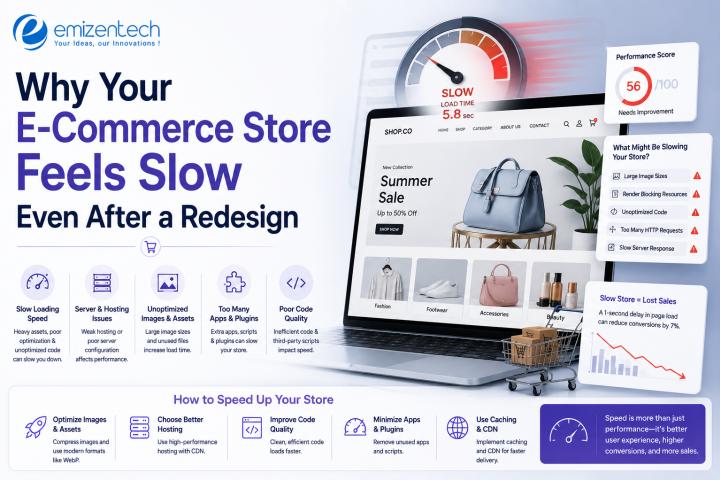
- Page speed
- Mobile usability
- Core Web Vitals
- Redirect management
- Indexing issues
- Structured data
Technical SEO becomes particularly important for large stores with hundreds or thousands of product and category pages.
Content Marketing
Useful content can support both rankings and customer education. eCommerce brands can publish buying guides, product comparisons, tutorials, FAQs, industry resources, and informational articles based on genuine customer questions.
Content should be written primarily for users rather than created simply to insert keywords.
Internal Linking
Strategic internal linking helps users discover related products and categories while helping search engines understand the structure and importance of different pages.
For example, blog content can link naturally to relevant category pages, while category pages can connect users with appropriate product collections.
Link Building
Relevant and authoritative backlinks can strengthen a website’s overall authority. A sustainable link-building strategy should focus on relevance, editorial quality, digital PR, industry publications, partnerships, and useful content rather than relying on large volumes of low-quality links.
Conversion Rate Optimization
SEO brings visitors to an online store, but the website experience determines what happens next. Conversion optimization can improve product discovery, navigation, page layouts, calls to action, checkout journeys, trust signals, and mobile usability.
Bloom Agency’s current eCommerce SEO page also includes conversion rate optimization, competitor analysis, SEO audits, content marketing, and link building among its listed services.
SEO for Shopify, WooCommerce and Other Platforms
Different eCommerce platforms can require different optimization approaches. Shopify, WooCommerce, Magento, and BigCommerce stores may have different URL structures, technical configurations, apps, plugins, and indexing considerations.
Bloom’s service offering specifically references Shopify SEO, WooCommerce SEO, and BigCommerce SEO alongside broader eCommerce SEO services.
Local and National eCommerce SEO
An online store serving customers throughout India may need a national SEO strategy, while a Mumbai-focused business can also benefit from location-specific optimization.
Local search intent can be incorporated where it genuinely matches the business model. However, eCommerce SEO should not be limited to adding city names to pages. Product relevance, content quality, technical performance, authority, and user experience remain important ranking considerations.
eCommerce SEO Process
A structured SEO campaign can follow several stages.
1. Website Audit
The process begins by reviewing the website’s technical health, indexing, architecture, content, product pages, backlinks, and existing search performance.
2. Keyword and Competitor Research
The next stage identifies valuable search opportunities and analyzes competitors to understand their content, website structure, keyword targeting, and authority.
3. Strategy Development
A customized roadmap is created based on the store’s products, target audience, platform, competition, and business objectives.
4. Implementation
SEO recommendations are implemented across technical elements, product pages, categories, content, internal links, and other relevant areas.
5. Monitoring and Improvement
Search rankings, impressions, clicks, organic traffic, conversions, and other performance indicators are monitored regularly. SEO strategies can then be refined based on the data.
Bloom’s current page describes a similar workflow covering SEO audit and research, strategy development, implementation and optimization, followed by tracking and reporting.
Common eCommerce SEO Challenges
Online stores can face several SEO challenges, including duplicate product descriptions, thin category pages, discontinued products, faceted navigation, indexing problems, poor internal linking, slow pages, and large website structures.
Competitive markets can make these issues even more important because small technical or content advantages can influence search visibility.
Search engine algorithm changes can also affect rankings, which is why eCommerce SEO should be treated as an ongoing process rather than a one-time activity.
Measuring eCommerce SEO Success
A successful campaign should be evaluated using business and SEO metrics together. Important indicators include:
- Organic traffic
- Search impressions
- Click-through rate
- Keyword visibility
- Product page traffic
- Category page performance
- Organic conversions
- Revenue from organic search
- Indexed pages
- Conversion rate
Focusing only on keyword rankings may provide an incomplete picture. The ultimate objective is to attract relevant visitors and turn organic visibility into measurable business results.
Choosing an eCommerce SEO Agency in Mumbai
When selecting an SEO agency, businesses should look beyond promises of quick rankings. A good agency should understand the technical complexity of eCommerce websites, provide transparent reporting, develop a strategy around business objectives, and explain what is being changed and why.
Experience with the client’s platform and industry can also be valuable. An agency working with a large Shopify store, for example, should understand product architecture, collections, canonicalization, redirects, and other platform-specific considerations.
Conclusion
eCommerce SEO services in Mumbai can help online stores build stronger organic visibility, attract qualified search traffic, and create more opportunities for sustainable growth. A successful strategy combines technical SEO, product and category optimization, keyword research, content, internal linking, authority building, and conversion optimization.
For competitive eCommerce brands, SEO is not simply about reaching the first page of Google. It is about building a technically strong website that answers customer needs, earns search visibility, and turns relevant traffic into valuable business outcomes.