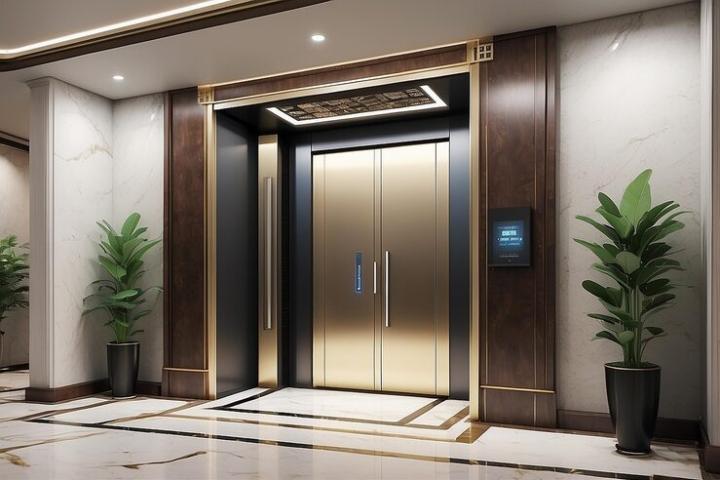
When looking for a residential lift in Singapore, you need to consider the type of lift, the size of the shaft, the load capacity, safety certificates and the long term maintenance expenses. For property layout a traction, hydraulic or pneumatic system should be considered by home owners. Budget, BCA compliance and installation requirements are just as important before you make a final decision.
Installing a residential lift in Singapore is no longer just a luxury — it is increasingly a practical investment, especially for multi-storey landed homes and ageing-in-place planning. With more homeowners making this decision, knowing what to look for before you sign a contract can save you significant time, money, and regret.
Why More Singapore Homeowners Are Installing Home Lifts
Singapore is getting older. According to the Department of Statistics Singapore in 2023, 1 in 5 persons was aged 65 years and beyond. A house lift offers a secure and easy way to live on multiple levels for families with aging parents or family members who have mobility issues.
Home lifts have real value to your home beyond accessibility. Three to four storeys high are commonly the landed dwellings in Singapore, especially terrace, semi-detached and bungalow buildings. A well-installed lift makes every floor truly livable and relieves the physical strain of climbing stairs every day.
Types of Residential Lifts Available in Singapore
Understanding the different lift systems is the first step in your home lift buying guide. Each type has its own mechanical approach, space requirement, and cost profile.
Traction Lifts
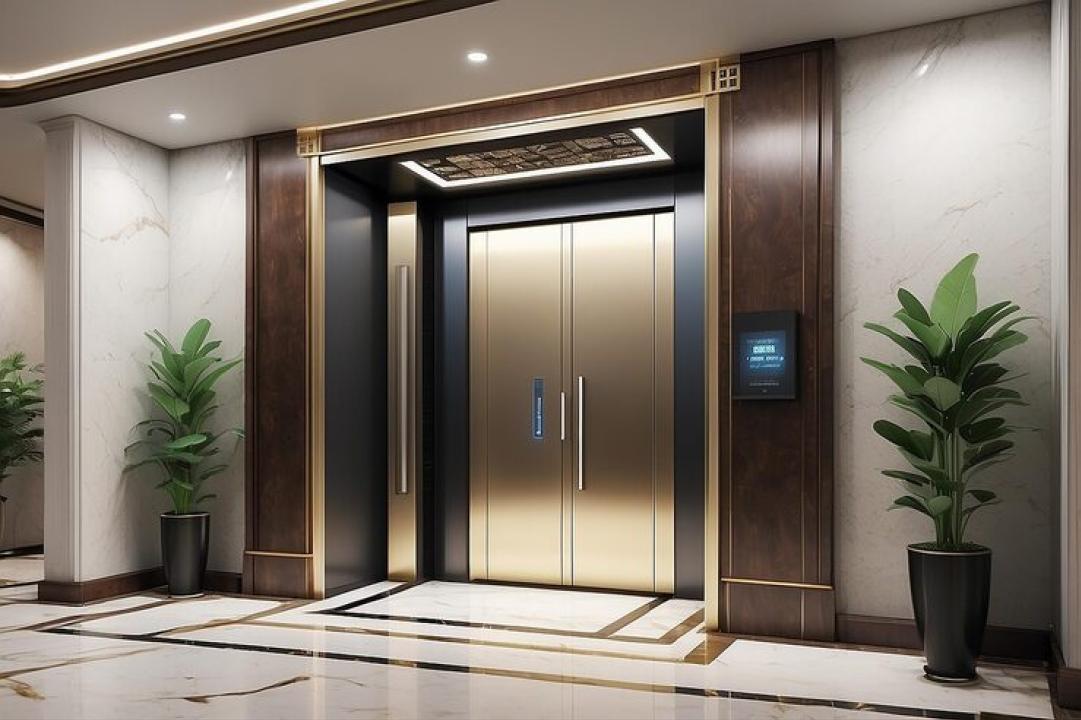
Traction lifts are operated by an electric motor and work using steel ropes and a counterweight mechanism. They are energy-efficient, quiet and great for households with numerous floors to go between. They do require a dedicated machine room or a machine-room-less (MRL) design that decreases space requirements substantially.
Hydraulic Lifts
Hydraulic lifts use a fluid-driven piston mechanism to raise and lower the car. They are generally quieter at low speeds and have a high load capacity. However, they require a separate hydraulic fluid reservoir and may have higher energy consumption compared to traction systems over time.
Pneumatic (Vacuum) Lifts
Pneumatic lifts operate using air pressure differentials. They are compact, do not require a pit or machine room, and are visually distinctive with their cylindrical design. They are ideal for homes with limited structural modification options, though they tend to have lower load capacity and fewer customisation choices.
Key Factors to Consider When Choosing a Residential Elevator
1. Available Space and Structural Requirements
varied lift types have varied footprints. Traction and hydraulic lifts require a pit of 150mm to 300mm depth below the lowest landing and a shaft enclosure. Pneumatic lifts don't require pits, although they do require a ceiling height of 2.4 to 2.7 meters per floor.
If your home is under construction or undergoing extensive remodeling, this is a good time to design the shaft. A lift can be installed in a finished home, but usually needs additional structural reinforcing, which can be costly.
2. Load Capacity and Cabin Size
Standard home elevators usually rated at 250kg to 400kg can hold 2 to 4 individuals. If you think you will be moving a wheelchair or hospital bed in the future, choose a cabin that fits those measurements first. Planning ahead is significantly cheaper than upgrading later.
3. Energy Efficiency
Traction MRL systems generally offer the best energy efficiency for residential use. Look for Variable Voltage Variable Frequency (VVVF) drive systems, which reduce energy consumption by adjusting motor speed to the actual load. This can meaningfully reduce operating costs over the lift's lifespan of 20 to 25 years.
4. Safety Features and BCA Compliance
In Singapore, all lifts — including residential ones — must comply with regulations set by the Building and Construction Authority (BCA). Key safety features to verify include:
Overload protection sensors
Emergency battery lowering system
Door interlock and obstruction detection
Emergency lighting and alarm
Annual inspection and maintenance certification
Always confirm that your lift supplier is a registered lift contractor with BCA before proceeding. This is not optional — it is a legal requirement for installation and ongoing operation in Singapore.
5. Noise and Ride Quality
In a home environment, noise matters. Traction MRL lifts and hydraulic systems tend to run quietly when properly maintained. Request a site demonstration or visit a showroom to experience ride quality first-hand before committing.
How Much Does a Residential Lift Cost in Singapore?
Pricing varies considerably based on lift type, number of floors served, cabin finishes, and installation complexity. As a general market reference:
Lift Type | Estimated Price Range (SGD) | Best For
|
|---|---|---|
Traction (MRL) | $30,000 – $60,000+ | Multi-storey homes, long-term use |
Hydraulic | $25,000 – $55,000+ | Homes needing high load capacity |
Pneumatic | $20,000 – $45,000+ | Compact spaces, modern aesthetics |
These figures are indicative. Final costs depend on site conditions, number of stops, and finish selections. Always obtain at least two to three detailed quotations and compare what is included — particularly maintenance packages and warranty terms.
Questions to Ask Your Lift Supplier Before Signing
A reputable supplier will answer these confidently. If they cannot, treat that as a warning sign.
Are you a BCA-registered lift contractor?
What is the warranty period for parts and labour?
What does the maintenance contract cover, and at what annual cost?
How long will installation take, and what structural work is involved?
Can I see a reference project or visit an installed unit?
What happens in the event of a breakdown — what is your response time?
Maintenance: The Cost Most Buyers Overlook
A residential lift is not a one-time purchase. Annual maintenance is mandatory under BCA regulations and is critical for safe operation. Maintenance contracts in Singapore typically range from $800 to $2,500 per year depending on lift type and scope of service.
Factor this into your total cost of ownership from day one. A lower upfront price from a supplier with poor after-sales support can cost considerably more over a decade than a slightly higher initial investment with a reliable service provider.
Planning Your Home Lift Installation: A Simple Checklist
Confirm available shaft or installation space
Decide on lift type based on use case and space
Set a realistic budget including installation and annual maintenance
Verify supplier's BCA registration
Review warranty and maintenance contract in detail
Obtain necessary permits through your contractor
Plan installation timeline around renovation or construction schedule
For homeowners working with an architect or interior designer, loop your lift supplier into early planning conversations. Decisions made at the design stage are far easier and cheaper to implement than changes requested mid-construction.
If you are evaluating traction lift options for your landed home, Asiateck offers a range of residential traction lifts designed for Singapore's building conditions. With decades of industry experience and BCA compliance as standard, they are a practical starting point for homeowners who want technical depth without the sales pressure. You can explore more at Asiateck.