
Legal departments and law firms are operating in an environment where workloads can expand quickly, matters can become increasingly document-intensive, and leadership is expected to maintain visibility over both operational performance and legal spending.
For senior executives, the question is no longer simply whether to increase internal headcount. A more strategic question is how to build a legal operating model that can scale without adding unnecessary complexity.
This is where legal process outsourcing has become an increasingly relevant business strategy.
By using specialized external resources for selected legal processes, organizations can create additional operational capacity while allowing internal legal professionals to focus on higher-value responsibilities. From document-intensive work to process-driven legal support, the right outsourcing model can help legal teams operate with greater flexibility and consistency.
The Changing Economics of Legal Operations
Traditional legal operations often depend heavily on internal teams to manage a broad range of activities. As organizations grow, however, the volume of contracts, documents, research requirements, compliance-related tasks, and legal support activities can also increase.
Adding permanent employees may be appropriate in some situations, but it is not always the only solution.
A scalable operating model requires leaders to examine several questions:
- Which legal activities require direct internal ownership?
- Which processes can be standardized?
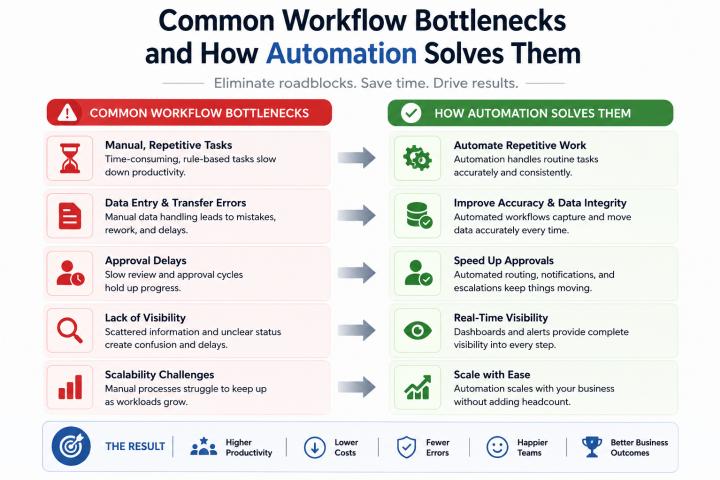
- Where are capacity bottlenecks occurring?
- Which repetitive or document-heavy tasks can be supported by specialized teams?
- How can the organization maintain quality and oversight while improving operational flexibility?
These questions have contributed to the growing importance of legal outsourcing services as part of a broader legal operations strategy.
Legal Process Outsourcing Is Not About Replacing Legal Leadership
One of the most important distinctions for executive decision-makers is that legal outsourcing does not necessarily mean transferring all legal responsibilities outside the organization.
A well-designed model can create a clear division between strategic legal responsibilities and operational support activities.
Internal legal teams may continue to lead areas such as:
- Legal strategy
- Business advisory
- Complex negotiations
- Risk management
- Executive decision support
- Final legal review and oversight
Meanwhile, external resources can support selected processes that require scalable capacity, structured workflows, and specialized operational expertise.
This approach allows legal leaders to design a more flexible operating environment based on actual business requirements rather than relying exclusively on permanent headcount expansion.
Where Outsourced Legal Services Can Add Operational Capacity
The scope of outsourced legal services can vary depending on an organization's requirements, legal workflows, technology environment, and internal governance structure.
Common areas of operational support may include:
Contract Support
Contract-related workloads can consume substantial time, particularly for organizations managing high volumes of agreements. Structured support can assist with document organization, contract administration, review workflows, and related operational processes.
Legal Document Review
Document-heavy matters can require significant resources. External legal support teams can provide additional capacity for defined review and analysis workflows under appropriate management and quality controls.
Legal Research Support
Research requirements can arise across many legal and business matters. A structured support model can help internal teams manage information gathering and research-related workloads more efficiently.
Litigation and E-Discovery Support
Legal matters involving large volumes of electronically stored information can create substantial operational demands. Specialized teams can support defined workflows related to document organization, review preparation, and litigation support activities.
Legal Back-Office Operations
Administrative and process-oriented legal functions can also create hidden capacity challenges. Standardized workflows can help organizations manage routine activities with greater consistency and visibility.
Why Executive Teams Are Looking at Legal Process Outsourcing Companies
Senior management teams increasingly evaluate external operating models based on more than labor costs.
The broader objective is to create an organization that can respond effectively to changing workloads.
When evaluating legal process outsourcing companies, leadership may consider factors such as:
- Ability to scale support capacity
- Process maturity
- Technology compatibility
- Data security practices
- Quality management
- Reporting and visibility
- Industry experience
- Communication structure
- Governance and escalation procedures
The strongest outsourcing relationships are typically built around clearly defined responsibilities rather than vague expectations.
A successful engagement begins with understanding which processes are suitable for external support and how those processes will connect with the internal legal function.
Technology Is Reshaping Legal Outsourcing
Modern legal operations are increasingly supported by technology platforms that improve document management, workflow coordination, collaboration, and information visibility.
However, technology alone does not create an effective operating model.
The most successful transformation initiatives usually combine three essential elements:
1. Skilled People
Legal processes require professionals who understand the assigned workflows and can operate within defined quality and governance frameworks.
2. Structured Processes
Clear procedures help establish consistency. This includes defining responsibilities, review stages, approvals, escalation paths, documentation requirements, and expected outcomes.
3. Appropriate Technology
Technology can support workflow management, document handling, collaboration, reporting, and process visibility.
When these three components work together, legal operations can become more adaptable and easier to manage at scale.
How Legal Process Outsourcing Firms Support Scalability
One of the major challenges facing growing organizations is that legal workloads do not always increase at a predictable pace.
A new transaction, regulatory requirement, litigation matter, acquisition, or period of rapid business expansion can significantly increase the workload placed on an internal legal department.
Building permanent capacity for every temporary increase may not always be efficient.
This is one reason organizations explore relationships with legal process outsourcing firms. A structured external model can provide access to additional support for selected functions when business requirements change.
Scalability, however, should not come at the expense of control.
Senior management should establish clear expectations regarding:
- Scope of work
- Access controls
- Communication protocols
- Quality review
- Performance measurement
- Data handling
- Escalation procedures
- Reporting requirements
A scalable model works best when governance grows alongside operational capacity.
Risk Management and Governance Must Remain Central
Legal work often involves sensitive business information. As a result, organizations considering legal process outsourcing services should carefully evaluate how external support will operate within their governance framework.
Important considerations may include:
- Role-based access to information
- Confidentiality procedures
- Defined approval authorities
- Secure technology environments
- Audit trails
- Quality assurance processes
- Document management procedures
- Clear accountability
The goal is not simply to move work from one location to another. The objective should be to create a controlled operating model with clear responsibilities and measurable outcomes.
The Strategic Value of a Flexible Legal Operating Model
For executive leadership, the greatest value of legal process outsourcing may lie in operational flexibility.
A business can retain strategic control while accessing specialized support for selected legal processes.
This model can help organizations:
- Respond to changing workloads
- Reduce internal capacity bottlenecks
- Standardize repeatable workflows
- Improve process visibility
- Support legal teams during high-volume periods
- Allow internal professionals to focus on strategic priorities
- Build a more adaptable legal operations structure
The right approach will differ from one organization to another. Some companies may begin with a limited process, while others may develop a broader legal operations support model.
A phased approach can help leadership evaluate performance before expanding the scope of engagement.
iRapidO and the Future of Legal Operations
As organizations continue to rethink how support functions are structured, iRapidO provides a model focused on helping businesses access specialized operational capabilities for evolving business requirements.
Legal teams and corporate leaders are increasingly looking for ways to balance quality, capacity, efficiency, technology, and governance. A structured approach to Legal Process Outsourcing can help create that balance while allowing organizations to maintain focus on their most important legal and business priorities.
For organizations evaluating the potential role of external legal support, the starting point should be a detailed assessment of existing workflows, capacity constraints, and long-term operational goals.
Explore iRapidO Legal Process Outsourcing Services
Conclusion
The future of legal operations is unlikely to depend on a single staffing model.
Instead, successful organizations may combine internal legal leadership, technology, standardized processes, and specialized external capacity to create a more responsive operating structure.
Legal process outsourcing can be part of that strategy when implemented with clear governance, appropriate controls, and well-defined responsibilities.
For higher management, the key question is not simply whether work can be outsourced. The more important question is how legal operations can be structured to support sustainable growth, maintain oversight, and give legal professionals more capacity to focus on the work that delivers the greatest strategic value.