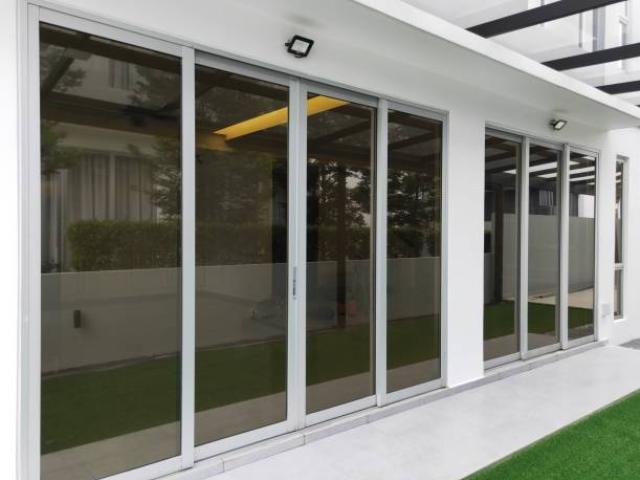
Aluminium glass doors work well in several areas of a Singapore home, including the living room partition, kitchen, balcony, bathroom, and study room. They improve natural light flow, create a sense of space, and suit Singapore's humid tropical climate. The right placement depends on your layout goals, privacy needs, and ventilation requirements.
Why Aluminium Glass Doors Make Sense for Singapore Homes
Singapore homeowners face a consistent set of challenges — limited square footage, high humidity, intense sunlight, and the need to maximise every corner of the home. Aluminium glass doors address several of these at once. The aluminium frame resists corrosion and warping, which matters in a climate where moisture is constant. The glass panel keeps spaces visually open without removing physical separation.
Unlike solid timber or hollow-core doors, aluminium-framed glass doors are low maintenance. They don't swell, crack, or fade the same way wood does in humid conditions. That's a practical advantage in Singapore, not just an aesthetic one.
Where Should You Install Aluminium Glass Doors at Home?
Placement matters more than most homeowners realise. The wrong door in the wrong spot can create privacy issues or block airflow. Here's a room-by-room breakdown of where these doors deliver the most value.
1. Living Room Partitions and Entrances
One of the most popular applications in Singapore renovation projects is using glass doors to separate the living room from a foyer, dining area, or internal corridor. This keeps the space defined without making it feel boxed in.
A frameless door or slim-profile aluminium frame gives the partition a clean, architectural look. It works especially well in HDB flats and condominiums where open-plan layouts are common but families still want some division between zones.
Creates visual separation without blocking light
Works with both modern and minimalist interior >
Sliding variants save floor space in tighter layouts
2. Kitchen Glass Door Singapore Applications
The kitchen is one of the smartest places to install a kitchen glass door in Singapore homes. An enclosed kitchen with a glass door keeps cooking smells and smoke contained — a genuine concern in local cooking >
This setup is particularly useful when the kitchen connects directly to the dining or living area. You maintain sightlines, the home feels larger, and you can monitor children or guests while cooking. A sliding aluminium glass door is the most practical choice here because it doesn't eat into the kitchen or dining floor space when open.
For resale value, a well-designed enclosed kitchen often appeals to buyers who prioritise functionality. According to the Housing & Development Board (HDB), kitchen layout is one of the most frequently cited renovation priorities for flat owners planning a resale.
3. Balcony Doors and Outdoor Transitions
Balcony doors handle a unique challenge — they sit at the boundary between indoor comfort and outdoor exposure. Aluminium framing is the material of choice here because it handles UV exposure, rain splatter, and temperature shifts without degrading.
Folding or sliding aluminium glass balcony doors allow you to fully open the space on cool evenings or keep it sealed during heavy rain. This flexibility suits Singapore's unpredictable weather patterns. Frosted or tinted glass options add an extra layer of privacy from neighbouring units — a common consideration in high-density residential developments.
Sliding or bi-fold configurations maximise the opening width
Tinted glass manages heat gain from direct afternoon sun
Aluminium frames require minimal maintenance even with frequent exposure to rain
4. Study Room or Home Office Partition
Working from home has become a long-term reality for many Singapore residents. A glass door between the study and the rest of the home gives you acoustic separation during calls and focused work sessions while keeping you connected to the household visually.
Interior glass doors in this context are often installed with frosted or sandblasted panels on the lower half, giving a sense of privacy without complete visual isolation. This is a thoughtful detail that many renovators overlook until after installation.
5. Master Bedroom and Walk-In Wardrobe Entrances
In larger apartments and landed properties, aluminium glass doors are used to separate the bedroom from a walk-in wardrobe or en-suite dressing area. This creates a boutique hotel feel — something increasingly sought after in Singapore renovation aesthetics.
Clear glass doors work well here if the wardrobe is tidy by design. Fluted or reeded glass is a popular alternative — it adds texture and diffuses the view slightly, which is more forgiving if the wardrobe isn't always pristine.
6. Bathroom Shower Enclosures
While bathroom shower screens are technically a distinct product category, frameless glass panels with aluminium fittings follow the same logic. They keep water contained, the bathroom feels larger, and cleaning is straightforward with the right glass coating.
For master bathrooms with a separate toilet compartment, a frameless door between the wet and dry zones is both functional and visually cohesive. Tempered safety glass is standard here, and any reputable supplier will confirm compliance with Singapore's building safety standards under the Building and Construction Authority (BCA).
Choosing the Right Glass Type for Each Location
Location | Recommended Glass Type | Key Reason
|
|---|---|---|
Living room partition | Clear or fluted glass | Maximises light and visual openness |
Kitchen | Frosted or clear tempered | Sightline access with grease resistance |
Balcony | Tinted or low-E glass | Heat control and UV protection |
Study room | Frosted or semi-frosted | Privacy without full visual block |
Walk-in wardrobe | Fluted or clear glass | Aesthetic appeal and depth |
Bathroom | Tempered clear or frosted | Safety compliance and water resistance |
What to Check Before Installation
Before committing to any placement, confirm a few practical points with your contractor or supplier:
Wall structure: Ensure the wall can support a door frame, particularly if it's a non-structural partition in an HDB unit.
Swing clearance: For hinged doors, confirm the swing radius doesn't conflict with furniture or adjacent openings.
HDB renovation rules: HDB has specific guidelines on which walls can be modified. Always verify with an approved contractor before hacking or installing new door frames.
Glass thickness: For doors larger than 900mm wide, a thicker glass panel (10mm or above) is generally recommended for structural stability.
Getting the Most Out of Every Installation
The best results come from treating the door as part of the room's design, not just a functional insert. Match the aluminium finish — whether matte black, brushed gold, or silver — to your hardware and fittings throughout the home. Consistency across handles, tap finishes, and frame colours makes a significant visual difference.
If you're working across multiple rooms, consider ordering from a single supplier to ensure consistent profile dimensions and finish batches. Minor variations in tone or texture between batches can stand out once everything is installed under the same lighting.
Cubo Collective offers a range of aluminium glass door options suited to different room configurations — from full-height frameless panels to slim-frame sliding systems — making it easier to maintain a cohesive look across your renovation. Explore their full collection to find the right fit for each space in your home.
Frequently Asked Questions
Can I install an aluminium glass door in an HDB flat?
Yes, aluminium glass doors can be installed in HDB flats, but certain walls require approval before modification. Always engage an HDB-approved renovation contractor and check the latest HDB renovation guidelines before proceeding with any structural changes or new door openings.
What is the difference between a frameless door and a framed aluminium glass door?
A frameless door uses minimal or concealed hardware, giving a clean, seamless look. A framed aluminium glass door has a visible aluminium border around the glass panel. Frameless options suit modern and minimalist interiors, while framed doors offer more structural support and are generally more cost-effective.
Are aluminium glass doors suitable for Singapore's humid climate?
Yes, aluminium is naturally corrosion-resistant and does not warp or swell in humid conditions, making it well-suited for Singapore's tropical climate. Unlike timber, it maintains its shape and finish over time with minimal maintenance, even in areas exposed to moisture like kitchens and bathrooms.
Which rooms benefit most from interior glass doors?
Kitchens, study rooms, and living room partitions benefit most from interior glass doors. They allow natural light to pass between spaces, reduce the need for artificial lighting during the day, and maintain a sense of openness — particularly valuable in smaller HDB flats and compact condominium units.
How do I choose between sliding and hinged aluminium glass doors?
Choose sliding doors for tight spaces where a swing arc would obstruct movement or furniture. Hinged doors offer a more traditional look and a tighter seal, which is useful for kitchens. The decision should be based on available floor space, traffic flow, and the functional needs of each room.
What glass thickness is recommended for residential aluminium glass doors?
For standard residential doors, 8mm tempered glass is commonly used. For wider panels exceeding 900mm or doors in high-traffic areas, 10mm to 12mm is advisable. Always use tempered safety glass, which complies with Singapore's BCA building standards and shatters into small, less harmful fragments if broken.