IMARC Group's report, "Electric Vehicle Battery Manufacturing Plant Project Report 2026: Industry Trends, Plant Setup, Machinery, Raw Materials, Investment Opportunities, Cost and Revenue", offers a comprehensive guide for establishing a manufacturing plant. The electric vehicle battery manufacturing plant setup report offers insights into the manufacturing process, financials, capital investment, expenses, ROI, and more for informed business decisions.
Electric Vehicle Battery Manufacturing Plant Project Report Summary: -
- Comprehensive guide for setting up electric vehicle battery manufacturing plant.
- Covers market trends and industry outlook for 2026.
- Detailed project setup, including unit operations and processes.
- Raw material and utility requirements.
- Infrastructure and machinery specifications.
- Workforce and staffing requirements.
- Packaging and transportation details.
- Financial aspects: investment opportunities, cost analysis, and revenue projections.
In addition to covering operational aspects, the report offers detailed insights into the electric vehicle battery manufacturing plant process and project economics.
- Detailed insights into the electric vehicle battery manufacturing plant
- In-depth project economics and financial metrics.
- Covers capital investments and project funding.
- Analysis of operating expenses and income projections.
- Breakdown of fixed and variable costs, direct and indirect expenses.
- Evaluation of ROI (Return on Investment) and NPV (Net Present Value).
- Profit and Loss account analysis.
- Comprehensive financial analysis for decision-making.
- Provides a roadmap for successfully establishing an electric vehicle battery manufacturing plant.
Request for a Sample Report: https://www.imarcgroup.com/electric-vehicle-battery-manufacturing-plant-project-report/requestsample
What is an electric vehicle battery?
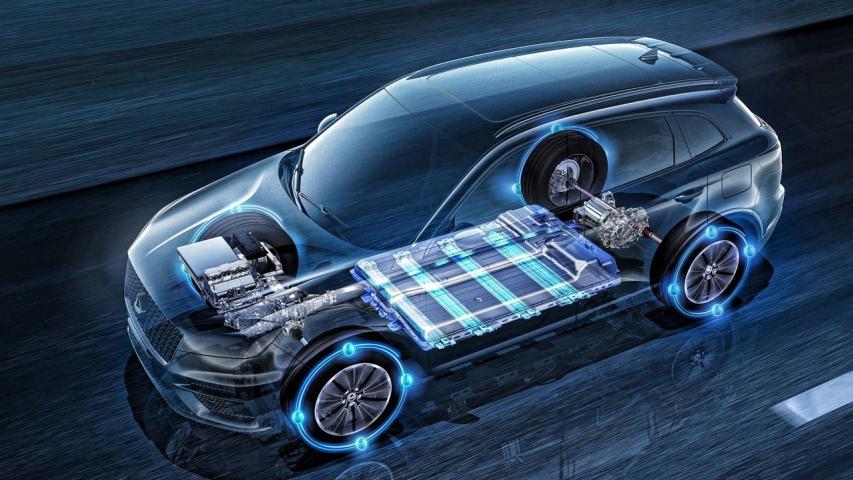
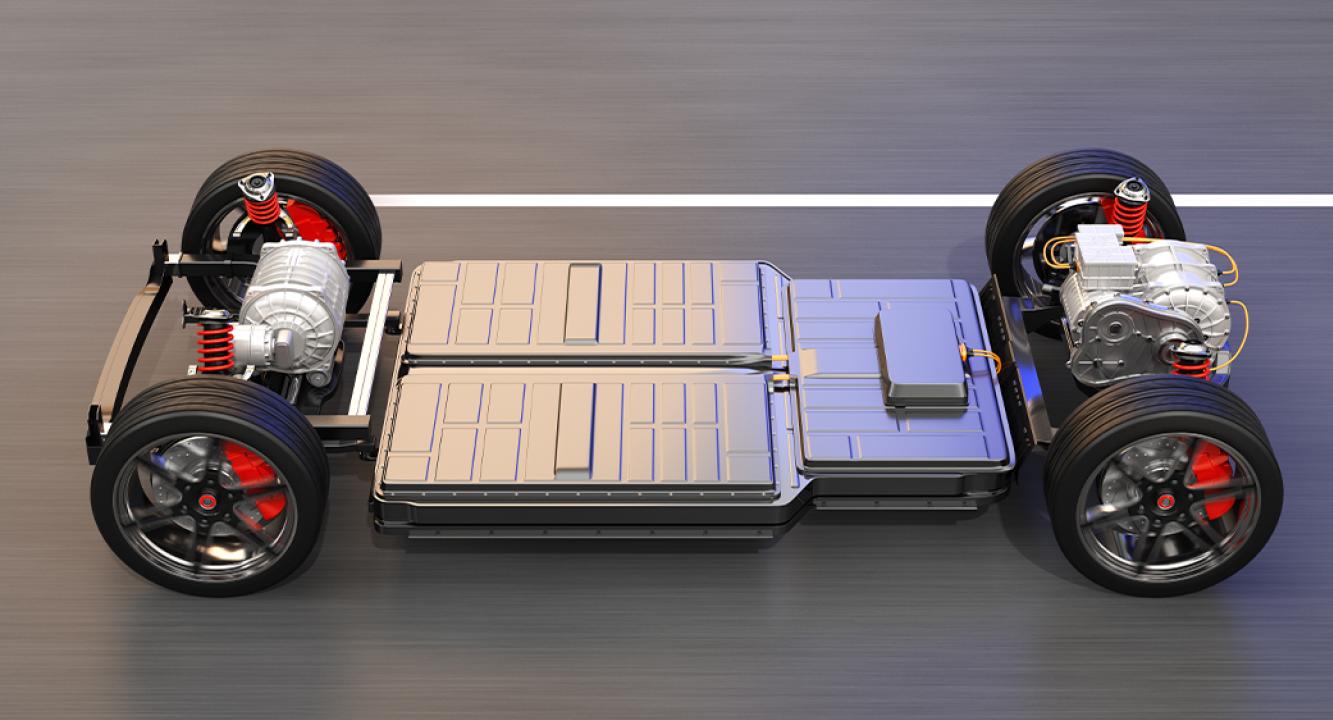
An electric vehicle (EV) battery is a rechargeable energy storage system that powers the electric motor and other electrical components of an electric vehicle. It stores electricity as chemical energy and releases it when the vehicle requires power for propulsion. Most modern EVs use lithium-ion battery technology because of its high energy density, efficiency, relatively long cycle life, and ability to support fast charging. An EV battery pack consists of multiple individual cells arranged into modules, along with a battery management system (BMS) that monitors temperature, voltage, current, state of charge, and overall battery health. Depending on vehicle design, batteries can differ in chemistry, capacity, size, and charging performance. In addition to powering vehicles, advanced EV batteries are increasingly being developed with improved thermal management, faster charging capabilities, enhanced safety, and longer operating ranges. Their performance directly influences important vehicle characteristics, including driving range, acceleration, charging time, durability, and overall cost.
Market Trends and Drivers:
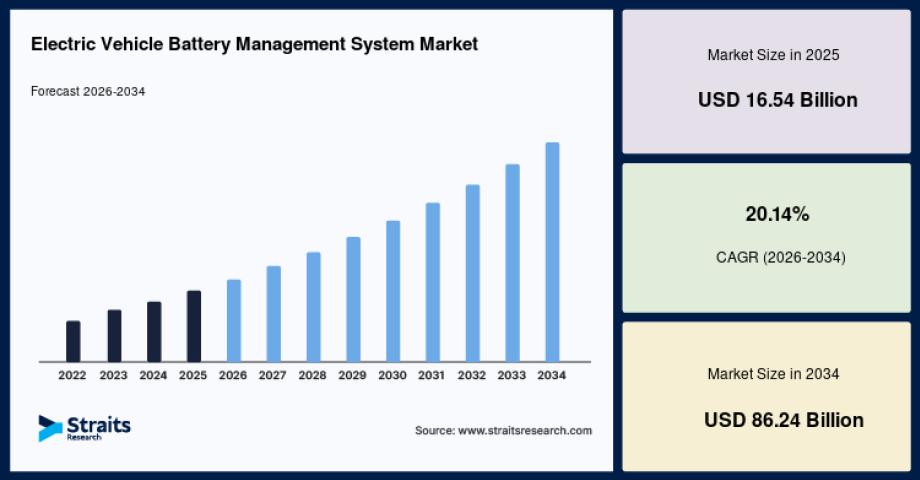
The electric vehicle battery market is being driven by the rapid adoption of electric cars, growing environmental concerns, stricter vehicle-emission regulations, and government incentives supporting vehicle electrification. Automakers are expanding their EV portfolios, increasing demand for high-performance batteries with greater energy density, longer driving ranges, faster charging, and improved safety. Falling battery costs and continuous advances in lithium-ion, lithium iron phosphate (LFP), solid-state, and other battery technologies are further encouraging EV adoption. The global electric vehicle battery market size was valued at USD 74.92 Billion in 2025.
According to IMARC Group estimates, the market is expected to reach USD 455.24 Billion by 2034, exhibiting a CAGR of 22.2% from 2026 to 2034. In addition, investments in domestic battery manufacturing, gigafactories, charging infrastructure, and battery recycling are strengthening the industry ecosystem. Rising consumer demand for sustainable transportation, coupled with technological improvements in battery thermal management and energy efficiency, is creating significant opportunities for manufacturers and supporting continued market expansion.
Site Selection and Infrastructure Requirements
Setting up an electric vehicle battery manufacturing plant requires a strategically selected site with reliable infrastructure, efficient logistics, and adequate space for production and future expansion. According to IMARC Group, the location should provide convenient access to critical raw materials such as cathode active materials including NMC or LFP powder, anode active materials such as natural or synthetic graphite or silicon composites, electrolytes, separators, copper foil, and aluminum foil. Proximity to target automotive markets can also help reduce distribution costs and improve supply-chain efficiency. The facility should have dependable transportation networks, utilities, waste-management systems, and adequate provisions for environmental compliance. The plant layout should further separate raw-material storage, production, quality-control areas, and finished-goods storage while allowing room for future capacity expansion.
EV Battery Manufacturing Equipment and Machinery Costs
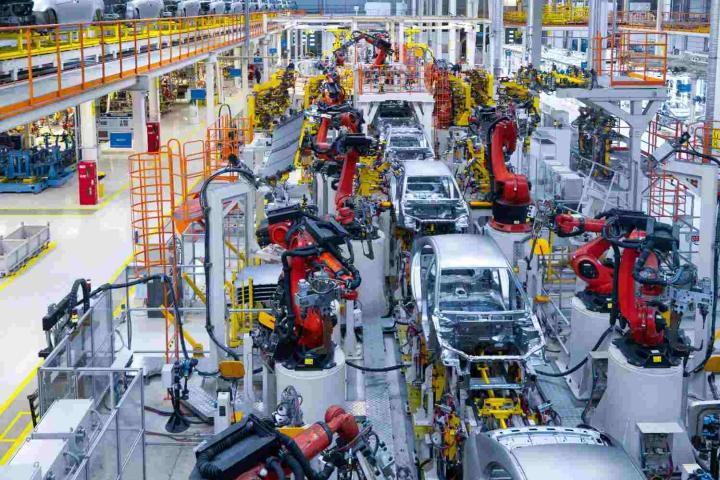
Equipment represents one of the most significant components of the capital investment required for an electric vehicle battery manufacturing plant. IMARC Group identifies essential machinery including electrode coating machines, calendering presses, slitting units, vacuum drying ovens, cell assembly lines, electrolyte filling systems, formation and testing cyclers, and module and pack integration stations. The manufacturing facility is designed for an annual production capacity of 1–5 GWh, allowing manufacturers to achieve economies of scale while retaining operational flexibility. The overall machinery investment varies according to production capacity, selected technology, and level of automation. High-quality, corrosion-resistant equipment is required to support efficient, safe, and reliable battery production while meeting applicable industry standards.
Financial Planning for EV Battery Manufacturing Plant Setup
A comprehensive financial plan is essential for assessing the viability and long-term sustainability of an EV battery manufacturing project. The IMARC Group project report evaluates capital investment, project funding, operating expenses, fixed and variable costs, income and expenditure projections, ROI, net present value, and profit-and-loss considerations. Investment planning should align production capacity with technology requirements, market demand, raw-material availability, and infrastructure needs. Long-term supplier contracts can help stabilize the supply of critical battery materials and reduce exposure to price volatility. The report's proposed 1-5 GWh annual capacity provides a framework for evaluating the relationship between plant scale, production economics, and investment requirements.
Ask Analyst for Customization: https://www.imarcgroup.com/request?type=report&id=22772&flag=C
Customization Options Available:
- Plant Location: Selection of optimal location for the plant.
- Plant Capacity: Customization based on desired production capacity.
- Machinery: Choice between automatic, semi-automatic, or manual machinery.
- List of Machinery Providers: Identification of suitable machinery suppliers.
Key Questions Addressed in This Report:
- How has the electric vehicle battery market performed so far and how will it perform in the coming years?
- What is the market segmentation of the global electric vehicle battery market?
- What is the regional breakup of the global electric vehicle battery market?
- What are the price trends of various feedstocks in the electric vehicle battery industry?
- What is the structure of the electric vehicle battery industry and who are the key players?
- What are the various unit operations involved in an electric vehicle battery manufacturing plant?
- What is the total size of land required for setting up an electric vehicle battery manufacturing plant?
- What is the layout of an electric vehicle battery manufacturing plant?
- What are the machinery requirements for setting up an electric vehicle battery manufacturing plant?
- What are the raw material requirements for setting up an electric vehicle battery manufacturing plant?
- And more...
How IMARC Can Help?
IMARC Group is a global management consulting firm that helps the world's most ambitious changemakers to create a lasting impact. The company provide a comprehensive suite of market entry and expansion services. IMARC offerings include thorough market assessment, feasibility studies, company incorporation assistance, factory setup support, regulatory approvals and licensing navigation, branding, marketing and sales strategies, competitive landscape and benchmarking analyses, pricing and cost research, and procurement research.
Services:
- Plant Setup
- Factoring Auditing
- Regulatory Approvals, and Licensing
- Company Incorporation
- Incubation Services
- Recruitment Services
- Marketing and Sales
Contact Us:
IMARC Group
134 N 4th St. Brooklyn, NY 11249, USA
Email: sales@imarcgroup.com
Tel No:(D) +91 120 433 0800
United States: +1-201971-6302