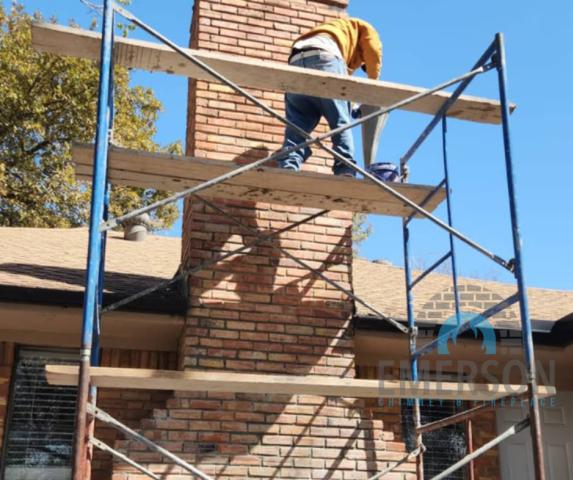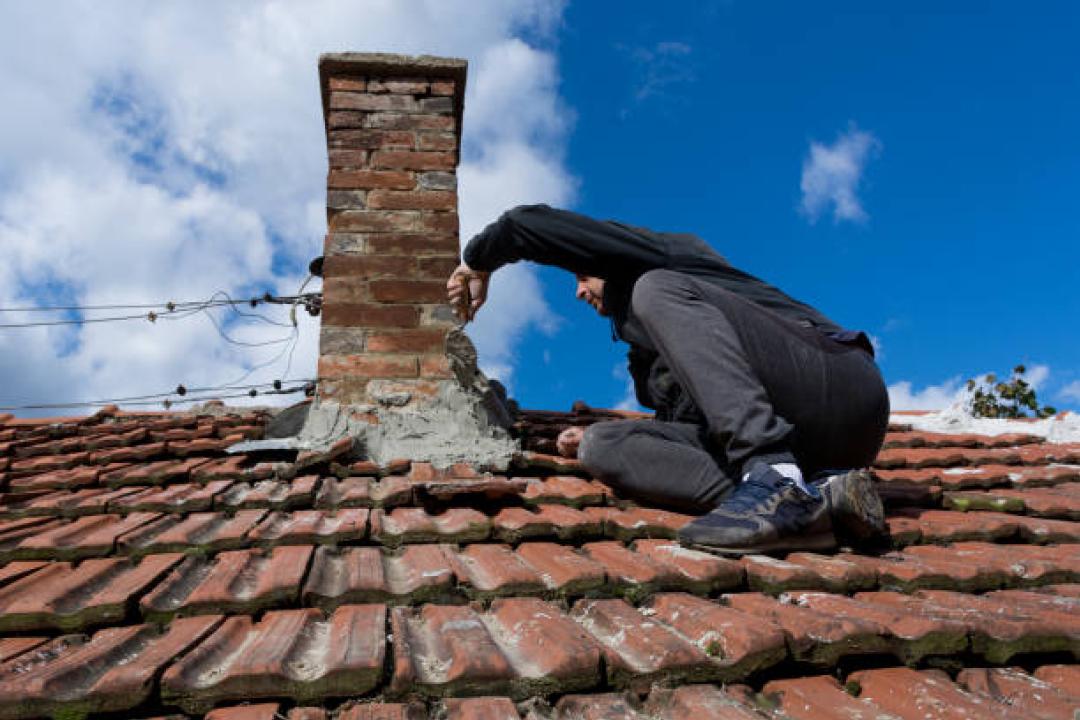
A chimney does not usually become unsafe in one day. Most structural problems build up bit by bit. A small crack appears in the mortar. A brick starts to loosen. Rain finds a gap and keeps coming back to the same spot. Then winter arrives and frost gets into the damp masonry. Each season adds another little bit of wear. From the garden the chimney may still look fine. That can make the problem easy to ignore. Inside the house though. you might notice damp around the chimney breast. bits of mortar on the roof. or a strange draught near the fireplace. Chimney Repair can help deal with these issues before they spread through the structure.
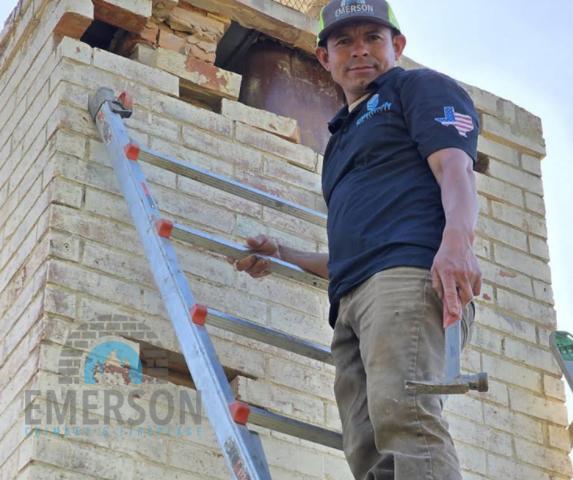
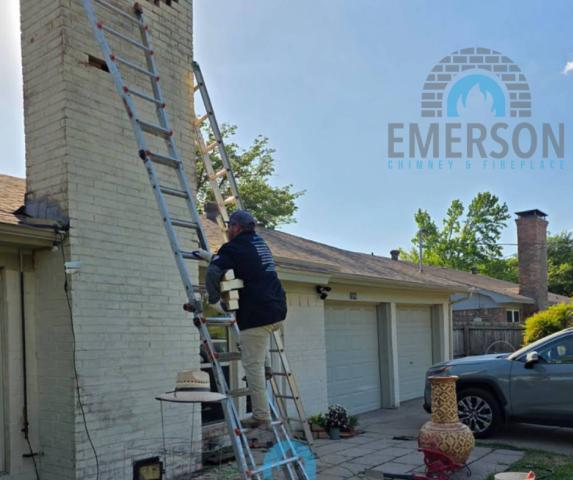
A professional roofer or chimney specialist can inspect the stack. check the brickwork. look at the mortar joints. examine the flashing. and assess the chimney cap. They can then decide what needs fixing and what can stay alone. The repair might involve repointing. replacing damaged bricks. securing loose sections. repairing flashing. or rebuilding part of the stack. It all depends on the condition of the chimney. Good repair work does not simply hide the damage. It tackles the weak point and gives the structure a better chance of standing up to years of weather.
Why Can Chimneys Develop Structural Problems?
Chimneys deal with some rough conditions. They sit above the roof and take the full force of wind and rain. During winter. frost can affect damp brickwork. Hot summers bring another kind of stress as materials expand and contract. Over many years these changes can wear down mortar and damage bricks. Poor repairs from the past can also create issues. Someone may have used a mortar mix that does not suit the older masonry. A chimney may also suffer if the roof around it moves or if flashing stops doing its job. The cause matters because the same visible crack can come from different problems. A roofer needs to know why the damage appeared before choosing the repair.
How Can Small Cracks Affect a Chimney?
A narrow crack may seem harmless. It can become a doorway for water though. Rain gets into the opening and stays within the masonry. When temperatures drop. the trapped moisture can freeze and expand. That puts pressure on the surrounding brick and mortar. Repeated freezing and thawing can widen the crack. Wind then adds another strain to an already weak area. The crack may remain small for a while and then spread after a period of harsh weather. A professional can inspect its size. location. and direction. They can also check nearby joints for related damage. Some cracks need repointing. Others may point towards movement that requires a closer structural assessment.
Can Loose Bricks Cause Serious Trouble?
Loose bricks deserve attention because they can affect more than appearance. A brick loses its proper support when the surrounding mortar breaks down or the masonry moves. Strong wind can then put pressure on the loose section. Eventually the brick may fall onto the roof or ground. That creates a safety risk and leaves a gap in the chimney. Water can use that opening to get deeper into the structure. A roofer can check whether one brick has failed or whether the surrounding area has also become unstable. They may remove the damaged brick and fit a suitable replacement. If several bricks have shifted. they may need to investigate the whole section before deciding on the repair.
Why Does Damaged Mortar Matter So Much?
Mortar holds the brickwork together and helps protect the joints from water. When mortar starts to crumble. the gaps between bricks become wider. Water can enter more easily. Frost can then attack damp areas during cold weather. The brickwork may gradually lose support. Repointing can restore the joints when the bricks themselves remain sound. The roofer removes loose mortar and fills the joints with a suitable mix. They need to choose that material carefully. Older chimneys often use softer mortar. A very hard modern mix can behave differently and place extra stress on the bricks. A proper repair considers the age and condition of the existing masonry instead of treating every chimney like a new build.
How Does Water Create Structural Chimney Damage?
Water can cause problems in places that homeowners cannot see. Rain may enter through cracked mortar. damaged flashing. a poor chimney cap. or gaps around chimney pots. Once moisture gets into the masonry. it can travel through the brickwork. The water may then show up as a damp patch inside the house. That patch does not always sit directly below the entry point. Water can move sideways before reaching the interior surface. A roofer can inspect the external chimney and the roof junction to trace the likely route. If they find damaged masonry. they can repair the entry point and deal with the affected section. Stopping the water source matters as much as repairing the visible damage.
Can Frost Make Existing Damage Worse?
Frost can be rough on an already damaged chimney. Water enters a crack or porous section of masonry. The temperature drops. The water freezes and expands. That expansion puts pressure on the material around it. When the ice melts. more water can enter. Then the cycle starts again. One cold spell may not cause a dramatic change. Years of this pattern can weaken joints and damage the surface of bricks. A chimney with open cracks or crumbling mortar should not sit through repeated winters without attention. Repairing those openings can reduce the amount of moisture that reaches the masonry.
How Does Flashing Affect Chimney Structure?
Flashing protects the joint between the chimney and roof. It needs to remain secure because rainwater naturally runs towards that area. If flashing lifts. cracks. corrodes. or loses its seal. water can get behind it. That moisture may affect the base of the chimney and the roof structure at the same time. The problem can become confusing because the first sign might appear as a ceiling stain some distance from the chimney. A roofer checks the flashing when investigating damp around a chimney. They may repair a small damaged section or replace older flashing when it no longer provides reliable protection. Fixing this joint can prevent further moisture from reaching the masonry.
What Happens When a Chimney Starts to Lean?
A leaning chimney needs professional attention. The movement may come from damaged mortar. foundation movement. poor construction. or deterioration within the stack. The exact cause can vary. A roofer should inspect the chimney rather than guessing from the angle alone. They can look for cracks. gaps. movement. and changes in the surrounding roof junction. In some cases the repair may involve rebuilding part of the stack. Other situations may allow a more focused structural fix. Do not try to push or brace a chimney yourself. A large masonry structure can shift without warning. Keep people away from the area below and arrange a proper assessment.
Can Repointing Solve Structural Chimney Issues?
Repointing can solve some structural problems when the main weakness sits in the mortar joints. If the bricks remain strong and stable. replacing failed mortar can restore support and reduce water entry. The roofer removes loose material from the affected joints and prepares the area for fresh mortar. They then fill and finish the joints so they protect the masonry. Repointing cannot correct every type of movement. A leaning stack or badly cracked brickwork may need a different repair. The professional needs to assess the chimney first. Fresh mortar should not become a shortcut for a problem that requires rebuilding.
When Does a Chimney Need New Bricks?
A chimney may need brick replacement when individual bricks have cracked badly. lost their outer surface. become loose. or suffered severe weather damage. The roofer checks whether the brick still provides proper support. If it does not. they can remove it carefully and fit a suitable replacement. The new brick should match the existing masonry as closely as possible. More importantly. it needs to work well with the surrounding structure. Replacing one damaged brick can be a simple job when the rest of the chimney remains sound. Several damaged bricks may indicate a wider problem. In that case the roofer should inspect the whole section before deciding how far the repair needs to go.
How Can a Damaged Chimney Affect the Roof?
The chimney and roof meet at a point that needs careful protection. If the chimney moves. the flashing can lose its seal. Water can then enter the roof space. Falling brick or mortar can also damage roof tiles. A blocked gutter may follow if debris reaches the drainage system. One chimney problem can therefore create several roof problems. A roofer can inspect both structures during the same visit. They can check the masonry and then look around the roof junction for signs of water entry or impact damage. Repairing the chimney without checking the nearby roof can leave part of the original problem untouched.
Why Should Chimney Damage Get Fixed Early?
Early repairs usually involve fewer complications. A few cracked mortar joints may need attention now. If you ignore them for years. water and frost may damage the surrounding bricks too. A loose brick may need replacement today. Later the surrounding section could become unstable. Damaged flashing may need a simple repair before water reaches the roof structure. Once damp spreads into timber or internal walls. the job becomes more involved. Nobody can predict exactly how quickly a chimney will deteriorate. What you can control is how long you leave a known problem exposed to the weather.
How Can a Roofer Check for Hidden Chimney Damage?
A professional inspection goes beyond looking at the chimney from the pavement. The roofer checks the stack closely and looks for cracks. loose joints. damaged bricks. leaning. gaps. and signs of water entry. They may also inspect the loft or chimney breast when damp appears inside the property. Water marks can help them trace the route of a leak. The roofer also checks the chimney cap. pots. flashing. and roof tiles around the base. These areas work together. A problem in one place can affect another. The inspection gives the roofer a clearer picture before they start removing materials.
Can Chimney Repair Help With Damp Inside the Home?
It can when the chimney allows rain into the property. Water may enter through cracked masonry or failed flashing. It can then travel through the structure and appear as damp around the chimney breast. The roofer needs to find the external source before the internal damage can dry properly. Repairing the masonry or flashing can stop new water from entering. The wall may still remain damp for some time after the repair because brick and plaster hold moisture. If the damp continues for an extended period. another inspection may help rule out a second source. Fixing the external entry point remains the first important step when the chimney causes the problem.
What Does a Structural Chimney Repair Usually Include?
The work depends on what the inspection reveals. A small repair may involve repointing damaged joints and replacing one or two bricks. Another job might include flashing repair or a new chimney cap. If the stack has serious movement. the roofer may need to rebuild part of it. They may also replace damaged chimney pots or secure loose sections. Before work begins. the professional should explain the problem and the proposed repair. That gives you a chance to understand what needs doing. Once the damaged area gets repaired. the roofer should check the surrounding masonry and roof junction again. A good job deals with the weak area instead of simply making it look tidy.
Why Does the Choice of Repair Material Matter?
Old chimneys often contain traditional bricks and mortar. These materials can behave differently from modern building products. Using the wrong mortar can cause problems because it may be harder than the original brickwork. The brick may then suffer instead of the joint taking the weathering. A professional considers the existing masonry before choosing a repair material. They look at the brick type. age. condition. and previous work. The aim is not to make the repair stand out as a brand new patch. The aim is to make the new work fit with the old structure and perform properly in changing weather.
Can Regular Inspections Prevent Structural Problems?
Regular inspections cannot stop every issue. They can help catch problems while they remain small. A roofer can check the chimney during routine roof maintenance or after a strong storm. They look for new cracks. loose bricks. damaged mortar. flashing problems. and movement. Homeowners can also watch the chimney from ground level. If you notice fresh damage or pieces of masonry below the stack. take it seriously. Do not climb onto the roof to investigate. A professional can inspect the area safely and tell you what needs attention. Early knowledge gives you more time to make a sensible repair plan.
What Should You Do After a Storm?
A strong storm can expose weaknesses that were already developing. Wind may shift chimney pots. loosen masonry. or damage flashing. Heavy rain can find gaps in old mortar. After severe weather. look at the chimney from a safe position. Watch for missing pieces. fallen masonry. visible cracks. or changes in the stack. If you find bricks on the ground. keep clear of the area beneath the chimney. Call a professional for an inspection. The roofer can also check nearby roof tiles because falling debris may have caused damage there. A post storm check can catch problems before the next spell of bad weather arrives.
Why Is Professional Chimney Repair Worth It?
Chimney work involves height. weight. old materials. and structural risk. A small mistake can disturb nearby masonry or damage the roof. A professional knows how to approach the work safely and how to assess the condition before making changes. They can also recognise when a simple repair will work and when the structure needs more attention. That judgement matters. You do not want to rebuild a chimney that only needed repointing. You also do not want to cover serious movement with a thin layer of mortar. Professional assessment helps you choose the right level of work.
How Can Chimney Repair Extend the Life of the Structure?
Repair cannot stop a chimney from ageing. It can slow down avoidable deterioration. Replacing damaged bricks keeps weak sections from spreading. Repointing failed joints helps hold the masonry together. Repairing flashing reduces water entry. A sound chimney cap keeps rain away from the top. Each job deals with a different source of wear. When you combine sensible repairs with regular checks. the chimney has a better chance of remaining secure for many years. You also gain a clearer picture of its condition. That makes future maintenance easier because you can act when a new issue first appears.
What Should Homeowners Ask Before Hiring a Roofer?
Ask the roofer what they found and what caused the damage. Find out which parts need repair and why. If they recommend rebuilding. ask what signs led them to that conclusion. You can also ask what materials they plan to use and whether the repair includes the flashing or chimney cap. A written quote should give you a clear idea of the work and cost. Do not feel pressured into agreeing to major work after a rushed inspection. A trustworthy professional should explain the situation in plain language. You should know what you are paying for before the work begins.
Conclusion
Structural chimney problems can start with something as small as a cracked mortar joint. Rain. wind. frost. and years of exposure can then turn that small weakness into a much larger concern. Chimney Repair helps tackle these problems by dealing with damaged bricks. weak mortar. faulty flashing. loose sections. and other faults that affect the stack. A professional can inspect the chimney and work out whether it needs a simple repair or more serious structural work. Homeowners should not wait until bricks start falling or damp spreads across the inside wall. Keep an eye on the chimney from a safe distance and arrange an inspection when something looks wrong. Early action can keep the repair more manageable and help the chimney remain a solid part of the home for years to come.