In today's competitive business landscape, organizations rely on powerful Customer Relationship Management (CRM) platforms to improve customer relationships, automate business processes, and increase productivity. Among all CRM solutions, Salesforce continues to dominate the global market, creating thousands of career opportunities for skilled Salesforce Administrators.
Whether you're a fresher, graduate, working professional, or someone looking to switch careers, learning Salesforce Administration can open doors to high-paying opportunities across industries.
This guide explores everything you need to know about Salesforce Administrator Training, the skills you'll learn, career opportunities, certification, and why now is the perfect time to start.
Salesforce Administrators play a central role in managing users, security, automation, reports, dashboards, and data while helping organizations get the maximum value from their Salesforce implementation. The role has expanded further with automation and AI capabilities becoming part of the platform.
What is Salesforce?
Salesforce is the world's leading cloud-based Customer Relationship Management (CRM) platform that helps businesses manage:
- Sales
- Customer Service
- Marketing
- Commerce
- Analytics
- Automation
- Artificial Intelligence
Companies use Salesforce to manage customer information, automate workflows, track sales opportunities, improve customer satisfaction, and make data-driven decisions.
Today, Salesforce serves organizations ranging from startups to Fortune 500 enterprises across healthcare, banking, retail, manufacturing, IT, education, telecom, and government sectors.
Who is a Salesforce Administrator?
A Salesforce Administrator is responsible for configuring, maintaining, and optimizing the Salesforce platform according to business needs.
Unlike software developers, administrators usually build solutions with little or no coding by using Salesforce's declarative tools.
Their responsibilities include:
- Managing users
- Creating custom objects
- Configuring page layouts
- Building reports
- Creating dashboards
- Managing security
- Automating business processes
- Importing and exporting data
- Supporting end users
- Maintaining system performance
Modern Salesforce Administrators are also expected to understand automation, analytics, and emerging AI capabilities available within the Salesforce ecosystem.
Why Learn Salesforce Administration?
Salesforce remains one of the most sought-after enterprise platforms worldwide.
Some major reasons include:
High Industry Demand
Thousands of companies actively recruit Salesforce Administrators every year.
Excellent Salary Packages
Certified professionals generally command better salary packages compared to many entry-level IT roles.
Beginner Friendly
You don't need programming knowledge to begin learning Salesforce Administration.
Global Career Opportunities
Salesforce professionals are hired by companies worldwide.
Multiple Career Paths
After becoming an administrator, you can grow into:
- Salesforce Developer
- Salesforce Business Analyst
- Salesforce Consultant
- Salesforce Architect
- Salesforce CPQ Consultant
- Salesforce Marketing Cloud Consultant
- Salesforce Solution Engineer
Who Can Join Salesforce Administrator Training?
This course is suitable for:
- Fresh graduates
- Engineering students
- B.Sc., BCA, MCA graduates
- MBA graduates
- Working professionals
- Technical support engineers
- Manual testers
- Business analysts
- CRM users
- Career switchers
No prior Salesforce experience is required.
Skills You'll Learn During Salesforce Administrator Training
A structured Salesforce Administrator course generally covers:
1. CRM Fundamentals
- What is CRM?
- Benefits of CRM
- Salesforce Ecosystem
- Salesforce Editions
2. Salesforce Navigation
- Lightning Experience
- App Launcher
- Home Page
- Setup Menu
3. Data Model
- Standard Objects
- Custom Objects
- Fields
- Relationships
- Schema Builder
4. User Management
Learn how to:
- Create users
- Reset passwords
- Assign licenses
- Manage profiles
- Configure permission sets
- Manage roles
5. Security Model
Topics include:
- Organization-wide defaults
- Role hierarchy
- Sharing rules
- Field-level security
- Object permissions
- Permission Sets
6. Data Management
You'll work with:
- Data Import Wizard
- Data Loader
- Exporting records
- Updating data
- Duplicate Management
- Data Validation
7. Reports and Dashboards
Learn to create:
- Tabular Reports
- Summary Reports
- Matrix Reports
- Joined Reports
- Interactive Dashboards
- KPI Tracking
8. Workflow Automation
Automation includes:
- Flow Builder
- Approval Processes
- Email Alerts
- Assignment Rules
- Escalation Rules
Flow Builder has become a core skill for Salesforce Administrators as workflow automation capabilities continue to evolve.
9. Customization
You'll customize:
- Page Layouts
- Record Types
- Validation Rules
- Formula Fields
- Dynamic Forms
- Compact Layouts
10. Application Management
Learn:
- App Manager
- Tabs
- Branding
- Navigation
- Lightning Apps
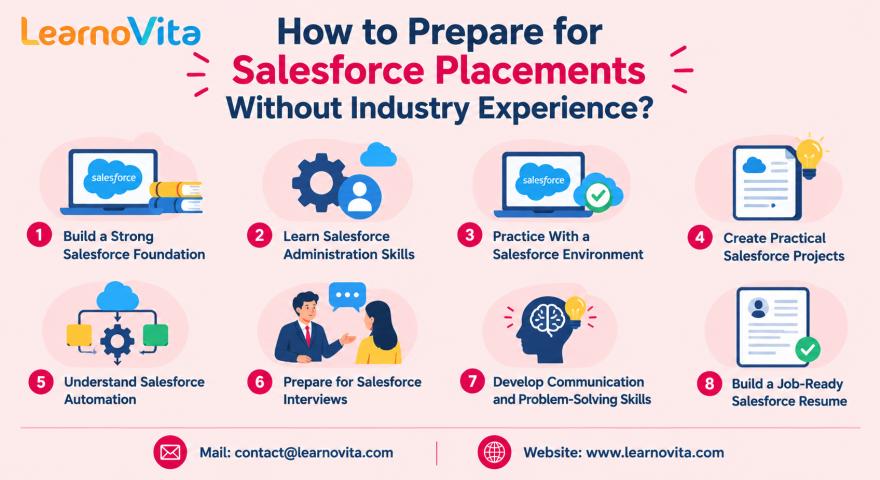
Hands-On Projects You'll Build
Practical training may include projects such as:
- Sales CRM
- Lead Management System
- Employee Management Portal
- Customer Service Dashboard
- Recruitment Tracking System
- Inventory Management
- Healthcare CRM
- Education CRM
These projects help learners understand real-world implementation scenarios.
Salesforce Administrator Certification
After completing training, many learners prepare for the Salesforce Certified Administrator credential, which validates knowledge of:
- User setup
- Security
- Data management
- Reports
- Dashboards
- Automation
- Standard and custom objects
- Platform configuration
Certification can strengthen your resume and improve job prospects.
Career Opportunities After Training
After completing Salesforce Administrator training, you can apply for roles such as:
- Salesforce Administrator
- CRM Administrator
- Salesforce Analyst
- Salesforce Support Executive
- Junior Salesforce Consultant
- Salesforce Coordinator
- Salesforce Operations Specialist
- Salesforce Business Analyst
Industries Hiring Salesforce Administrators
Salesforce skills are in demand across sectors including:
- Information Technology
- Banking
- Healthcare
- Retail
- Manufacturing
- Insurance
- E-Commerce
- Logistics
- Education
- Telecommunications
- Government
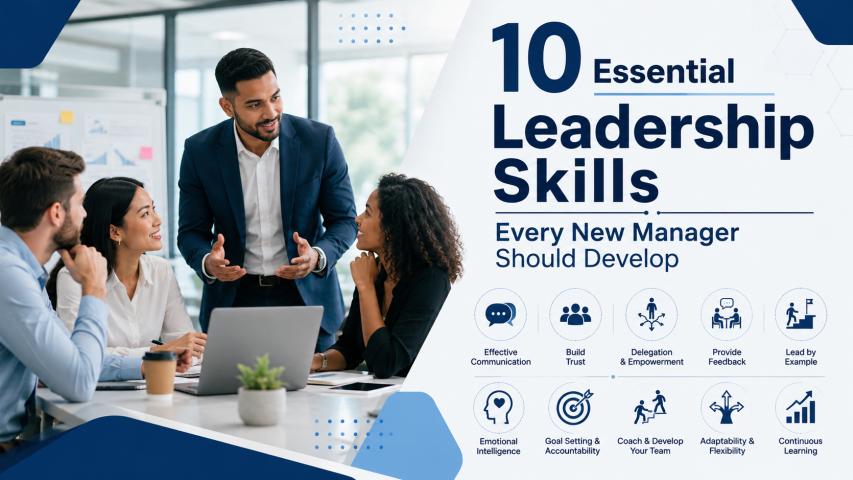
Essential Soft Skills for Success
Successful Salesforce Administrators combine technical expertise with business skills, including:
- Communication
- Problem-solving
- Stakeholder collaboration
- Documentation
- Analytical thinking
- Continuous learning
These competencies are widely recognized as essential for effective Salesforce Admins.
Tips for Beginners
To accelerate your Salesforce journey:
- Practice every concept in a Salesforce Developer Edition.
- Build multiple mini-projects.
- Learn Flow Builder thoroughly.
- Create professional dashboards.
- Understand security concepts deeply.
- Work on real-world scenarios.
- Prepare consistently for certification.
Why Practical Training Matters
Employers value professionals who can confidently:
- Configure Salesforce organizations
- Solve business problems
- Manage users
- Build automation
- Generate reports
- Improve business processes
Hands-on practice and project experience significantly improve job readiness.
Future of Salesforce Careers
The Salesforce ecosystem continues to expand with innovations in AI, automation, analytics, and low-code development. Administrators are increasingly expected to work with intelligent automation while maintaining secure and efficient CRM environments, making the role both future-ready and highly valuable.
Final Thoughts
Salesforce Administration is one of the most accessible and rewarding career paths for aspiring IT professionals. Whether you're a fresher seeking your first job or an experienced professional planning a career transition, mastering Salesforce Administration equips you with skills that are in demand across industries.
With comprehensive training, hands-on projects, certification preparation, and continuous practice, you can build a successful career as a Salesforce Administrator and progress into advanced Salesforce roles over time.