Introduction
Keeping buses clean is an important part of maintaining a professional and reliable public or private transport service. Clean vehicles can improve passenger satisfaction, protect the exterior of the fleet, and create a positive impression of the transport company. However, washing buses manually can require significant time, labour, water, and resources. A modern bus wash system provides an efficient solution by automating the vehicle cleaning process and helping operators maintain large fleets more effectively. From public transport companies to private coach operators, automated washing systems can improve cleaning efficiency and consistency.
What Is a Bus Wash System?
A bus wash system is an automated or semi-automated cleaning solution designed specifically for buses, coaches, and other large commercial vehicles. These systems use specialised brushes, water, cleaning solutions, and drying equipment to clean the exterior of a vehicle.
The design of the system can vary depending on the size of the fleet and the requirements of the operator. Some systems allow the vehicle to move through a fixed washing structure, while others use moving equipment that travels around the bus.
A typical system may include:
Washing brushes
Water spraying equipment
Cleaning solution dispensers
Wheel washing systems
Roof cleaning equipment
Rinse systems
Drying equipment
Automated technology can make the cleaning process faster and more consistent compared with traditional manual washing methods.
Why Clean Buses Are Important
A clean bus can make a positive impression on passengers and the public. For transport operators, vehicle cleanliness can be an important part of customer service and brand reputation.
Regular washing can help remove:
Dust
Mud
Road dirt
Pollution
Bird droppings
Salt and other contaminants
If dirt and contaminants remain on a vehicle for long periods, they may affect the appearance of the exterior and make cleaning more difficult.
Clean vehicles can also help transport companies maintain a professional image. Whether the fleet is used for public transport, school services, tourism, or private hire, the appearance of vehicles can influence how customers view the service.
Benefits of an Automated Bus Wash System
Automated washing technology offers several advantages for fleet operators.
Saves Time
Manual washing can take a considerable amount of time, especially when cleaning large buses. An automated system can complete the process more efficiently and allow vehicles to return to service more quickly.
Reduces Manual Labour
A professional bus wash system can reduce the amount of physical labour required for routine exterior cleaning. Employees can focus on other important maintenance and operational tasks.
Provides Consistent Cleaning
Manual cleaning can produce different results depending on the person performing the work. Automated equipment follows a consistent washing process, helping maintain a more uniform level of cleanliness.
Suitable for Large Fleets
Companies that operate multiple buses may need to wash several vehicles every day. Automated systems can support regular cleaning schedules and improve fleet management.
Different Types of Bus Washing Systems
There are several types of washing solutions available for buses and commercial vehicles.
Drive-Through Wash Systems
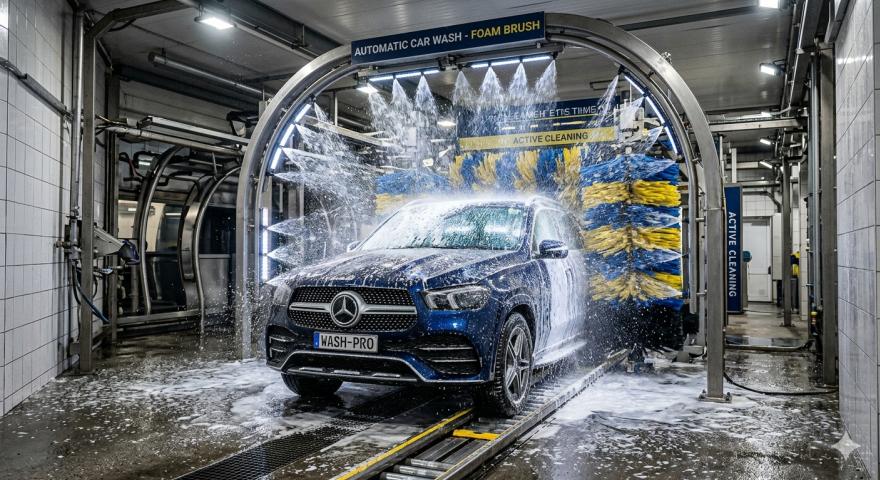
Drive-through systems allow buses to move through a fixed washing structure. Brushes and water systems clean the vehicle as it passes through.
These systems can be useful for:
Public transport depots
Large bus fleets
Coach operators
Commercial transport facilities
Rollover Wash Systems
A rollover system remains around the vehicle while washing equipment moves along its length. This design can clean different areas of the bus, including the sides and roof.
Rollover systems may be suitable for operators with limited space or specific cleaning requirements.
Brushless Wash Systems
Brushless systems use high-pressure water and cleaning solutions instead of physical brushes.
These systems may be preferred for certain vehicle types or operators who want to reduce direct contact with the vehicle surface.
Wheel and Undercarriage Cleaning
Some systems include additional equipment for cleaning wheels and lower areas of the vehicle. These sections can collect significant amounts of dirt and road debris.
Water Efficiency and Sustainability
Water management is an important consideration for fleet washing operations. Modern washing systems may include technologies designed to improve water efficiency.
Some systems use water recycling or filtration processes that allow suitable water to be reused during parts of the cleaning cycle.
Businesses may also use:
Controlled water pressure
Automatic water management
Efficient spray systems
Environmentally responsible cleaning products
Reducing unnecessary water use can help operators lower costs and support environmental goals.
Choosing the Right System
Before investing in a bus washing solution, fleet operators should consider their specific requirements.
Important factors include:
Fleet Size
A company operating a small number of buses may require a different system from a large public transport organisation.
Available Space
The available area at the depot or maintenance facility can influence which type of system is suitable.
Vehicle Size
Different fleets may include buses, coaches, or vehicles with different heights and dimensions. The wash system should be compatible with the fleet.
Cleaning Requirements
Some operators may require basic exterior cleaning, while others may need wheel cleaning, undercarriage washing, or advanced drying systems.
Operating Costs
Businesses should consider water consumption, energy use, maintenance requirements, and cleaning products when evaluating long-term costs.
Maintenance of Bus Wash Equipment
Regular maintenance is important for keeping washing equipment working effectively. Brushes, pumps, sensors, and water systems should be inspected and maintained according to the manufacturer's recommendations.
Maintenance tasks may include:
Inspecting brushes
Checking water pressure
Cleaning filters
Testing sensors
Checking chemical levels
Inspecting electrical components
Regular maintenance can help reduce unexpected downtime and extend the life of the equipment.
Improving Fleet Operations
A well-designed bus washing process can support better fleet operations. Clean vehicles can be prepared for service more efficiently, while automated equipment can help operators maintain regular cleaning schedules.
For companies managing large fleets, integrating washing into the daily maintenance process can improve organisation and reduce delays.
A reliable bus wash system can also help operators establish consistent cleaning standards across all vehicles.
Conclusion
Maintaining clean buses is important for passenger satisfaction, brand image, and professional fleet management. Manual washing can be time-consuming and labour-intensive, particularly for companies operating multiple vehicles.
A modern bus wash system offers an efficient solution by automating the cleaning process and providing consistent results. With options such as drive-through systems, rollover equipment, brushless washing, and water-efficient technology, operators can select a solution that matches their fleet and operational requirements.
By choosing the right equipment and maintaining it properly, transport companies can save time, improve vehicle appearance, and support more efficient fleet operations. A reliable bus washing solution can become an important part of maintaining a clean, professional, and well-managed transport service.