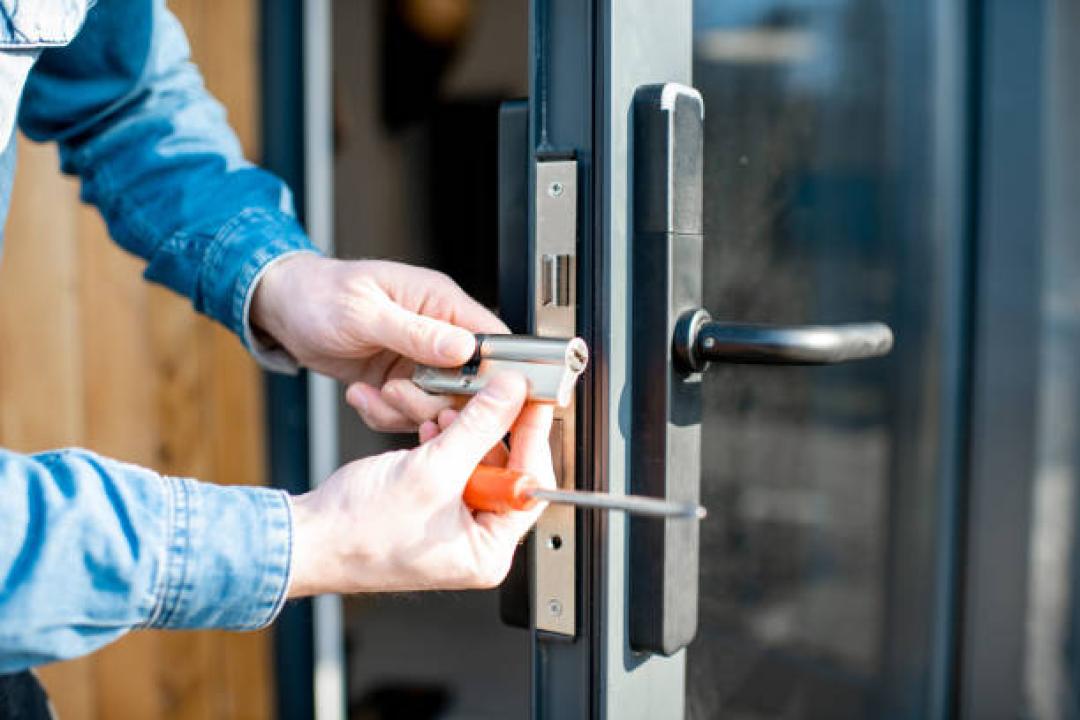
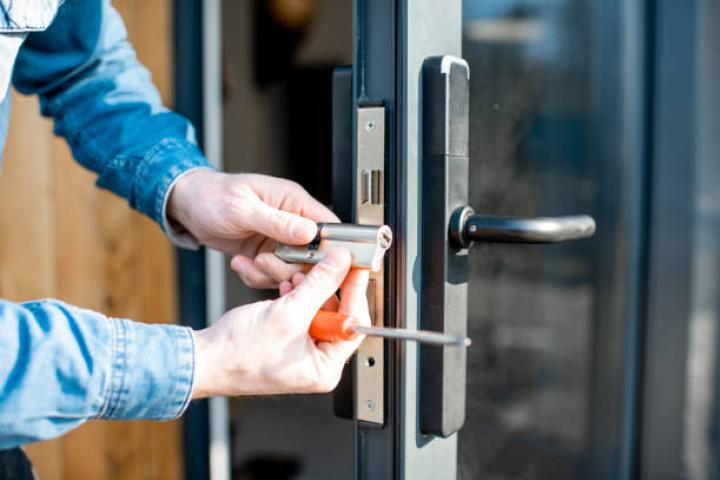
When a key snaps inside a lock, the situation can feel immediately stressful — especially if you are locked out of your home. A professional locksmith uses specialised tools such as key extractors, needle-nose pliers, and broken key removal kits to retrieve the fragment without damaging the lock cylinder. In most cases, the job is completed within minutes.
Why Keys Break Inside Locks
A broken key is more common than most people realise. Keys are subjected to repeated stress over time — bending, pressure, and wear all weaken the metal. Here are the most frequent causes:
Metal fatigue: Old or frequently used keys develop micro-cracks that eventually cause them to snap under pressure.
Forcing a stiff lock: Applying too much torque on a lock that needs lubrication puts extreme stress on the key blade.
Cheap key duplicates: Low-quality key blanks cut from soft metal are far more prone to breaking.
Worn lock cylinders: If the internal pins are misaligned or corroded, the key has to work harder — and that extra effort can cause it to snap.
Understanding the cause matters. If metal fatigue or a worn cylinder is behind the break, simply extracting the key and cutting a new one is not enough — the underlying issue needs to be addressed too.
What Happens When You Have a Key Stuck in a Lock
The moment a key breaks, most people instinctively try to pull the fragment out with their fingers or a pair of tweezers. This is often a mistake. Pushing the fragment deeper into the cylinder makes professional extraction significantly harder and can damage the internal pin stack.
If the broken piece is visible and protruding slightly, avoid turning or wiggling it. Leave the lock in whatever position it is — turning (or unlocked) — so the extractor can engage the key's serrated edge. The position of the lock at the time of the break has a direct impact on how easily the fragment can be removed.
How a Locksmith Central to Your Area Performs Broken Key Extraction
A qualified locksmith central to your neighbourhood will assess the situation on arrival before picking up a single tool. Here is how the process typically unfolds:
Step 1 — Assess the Lock and Fragment Position
The locksmith inspects how deep the key fragment sits and whether it is flush with the keyhole, partially visible, or fully recessed. This determines which extraction method is appropriate.
Step 2 — Lubricate the Cylinder
A dry or corroded cylinder grips the fragment tightly. The locksmith applies a dry lubricant — typically graphite powder or a professional-grade spray — to loosen the metal and reduce friction before any tool is inserted.
Step 3 — Insert the Extractor Tool
A broken key extractor is a thin, hooked metal probe. It is slid alongside the key fragment, hooked onto the serrations, and used to draw the piece out. Depending on the lock type and fragment depth, needle-nose pliers or a strong magnet may be used instead.
Step 4 — Clear the Cylinder and Test the Lock
Once the fragment is removed, the locksmith clears any remaining metal debris, lubricates the cylinder fully, and tests the lock with an intact key to confirm it operates correctly. If the cylinder is damaged, a replacement may be recommended.
Can You Do It Yourself Before Calling an Emergency Locksmith?
There are a few DIY methods that sometimes work — but they come with real risks. A thin, stiff wire or a bobby pin can occasionally hook the fragment if it is protruding enough. Some hardware stores sell basic extractor kits for under S$15.
However, the risk of pushing the fragment deeper or scratching the cylinder pins is significant. If the key is fully inside the lock or the lock is already stiff, calling an emergency locksmith immediately is the safer and faster choice. Attempting a DIY extraction on a high-security cylinder can void any existing warranty on the lock.
When the Lock Itself Needs to Be Replaced
Broken key extraction does not always restore full function. There are specific scenarios where the locksmith will recommend replacing the lock cylinder or the entire lock unit:
The cylinder pins were damaged during the break or during a DIY extraction attempt.
The lock is visibly worn, corroded, or was already difficult to operate before the key broke.
The fragment cannot be extracted without disassembling the lock.
The original key was lost and security is a concern — rekeying or replacing the lock prevents unauthorised access.
In Singapore, HDB flat owners should note that any changes to the main door lock may be subject to HDB guidelines on approved lock types, particularly for fire-rated doors. It is worth confirming this with your locksmith before replacing a lock.
Locksmith Marine Parade and Nearby Areas: Response Times Matter
If you are locked out due to a broken key, response time is everything. A locksmith marine parade service that covers the central and eastern residential belt can typically reach most locations within 20 to 40 minutes during non-peak hours. When choosing a locksmith for an emergency callout, ask directly about their estimated arrival time and whether they charge a call-out fee on top of the service rate.
Always confirm the total cost before the work begins. Reputable locksmiths will provide a transparent quote over the phone based on the service type, time of day, and lock brand.
Preventing a Broken Key Situation in the Future
Most broken key incidents are preventable with basic maintenance habits:
Lubricate your locks every six months using a dry graphite lubricant, not WD-40, which attracts dust and causes long-term gumming.
Replace worn keys early. If a key feels slightly bent or shows visible wear near the shoulder, get a new copy made before it breaks.
Use quality key blanks. Always get duplicates cut from reputable locksmiths who use proper-grade key blanks.
Do not force a stiff lock. If your lock is hard to turn, address the root cause — lubrication, alignment, or cylinder wear — rather than applying more force.
A well-maintained lock and a quality key rarely produce emergencies. The combination of regular upkeep and a trusted local locksmith makes all the difference when something does go wrong.
For residents across Singapore's central region, SJL Lock Solutions provides professional broken key extraction and emergency locksmith services with transparent pricing and fast response times. Whether you are dealing with a key stuck in a lock at home or need a full lock replacement, having a reliable locksmith on call is the most practical safeguard you can put in place.
Frequently Asked Questions
Can a locksmith remove a broken key without damaging the lock?
Yes. A professional locksmith uses specialised extractor tools designed to retrieve broken key fragments without damaging the lock cylinder. As long as no DIY attempts have pushed the fragment deeper, most extractions are completed cleanly and the lock continues to function normally.
How long does broken key extraction take?
In most cases, a skilled locksmith can complete a broken key extraction in 10 to 20 minutes. The time varies depending on how deep the fragment is lodged, the lock type, and whether any prior DIY attempts have complicated the removal process.
What should I do immediately after my key breaks in the lock?
Stop turning the lock and do not attempt to pull the fragment out with your fingers. Leave the lock in its current position and call a professional locksmith immediately. Avoid inserting any objects into the keyhole, as this risks pushing the fragment deeper into the cylinder.
Is it cheaper to extract the broken key or replace the lock?
Broken key extraction is almost always the more affordable option if the lock cylinder is undamaged. Lock replacement becomes necessary when the cylinder is worn, corroded, or damaged during the break. A locksmith will advise on the most cost-effective solution after assessing the lock on-site.
Does a broken key mean I need to rekey my lock?
Not necessarily. If the key broke due to metal fatigue and the lock cylinder is in good condition, extraction and a new key copy are sufficient. Rekeying is recommended if the original key was lost before breaking, or if security may have been compromised in any way.
How do I find a reliable emergency locksmith in Singapore's central region?
Look for a locksmith who provides upfront pricing, operates 24 hours, and has verifiable reviews from local customers. Confirm their estimated response time before committing. A trustworthy locksmith will quote the job over the phone and not apply surprise charges after the work is done.