
Reliable internet access has become an important part of everyday life. From working remotely and attending virtual meetings to streaming entertainment and managing smart-home devices, many daily activities depend on a stable connection. The need becomes even more noticeable when a primary internet connection suddenly stops working or when you are traveling away from traditional broadband coverage.
For homeowners and RV travelers, having a dependable connectivity plan can make everyday activities much easier. A combination of a primary connection and a suitable backup option can provide greater flexibility when circumstances change.
Why a Reliable Internet Connection Matters
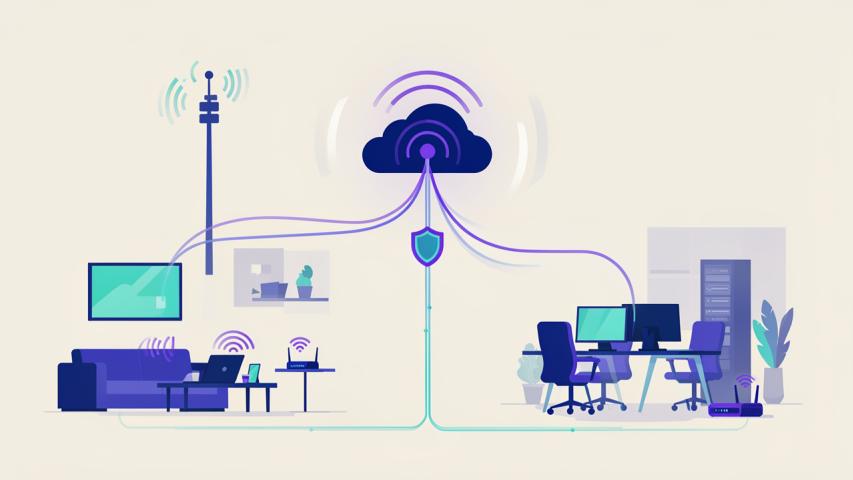
The internet is no longer limited to browsing websites or checking email. Households increasingly use connectivity for remote work, online education, video calls, cloud applications, entertainment, security systems, and connected devices.
Even a short interruption can affect productivity. Someone working from home may lose access to important files or meetings, while a family may suddenly be unable to use connected devices or streaming services.
This is why planning for connectivity problems can be valuable. Instead of waiting until an outage occurs, households can consider alternative ways to stay online.
The Value of a Backup Connection
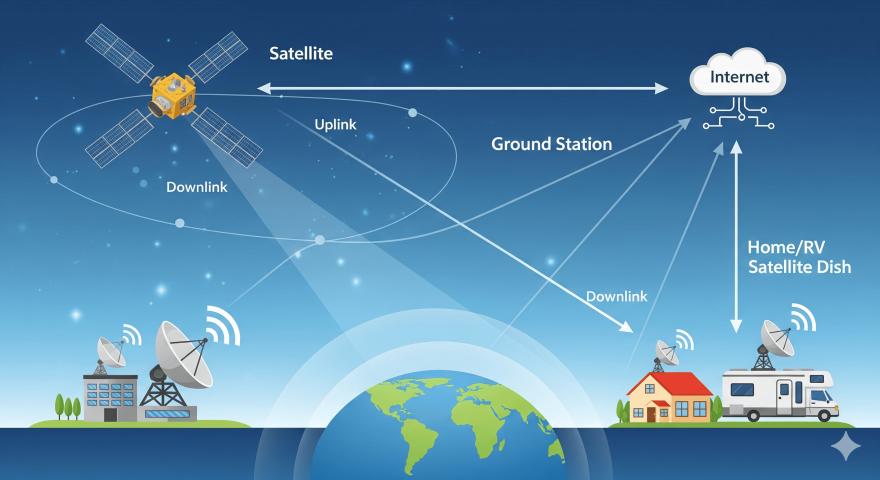
A secondary internet option can provide another path to connectivity when the primary service becomes unavailable. Depending on location and available infrastructure, this may include cellular, fixed wireless, satellite, or another compatible service.
A backup home internet solution can be particularly useful for households that rely heavily on internet access for work, communication, or home management. The goal is not necessarily to replace the primary connection but to provide another option when it is temporarily unavailable.
Internet Needs for RV Travelers
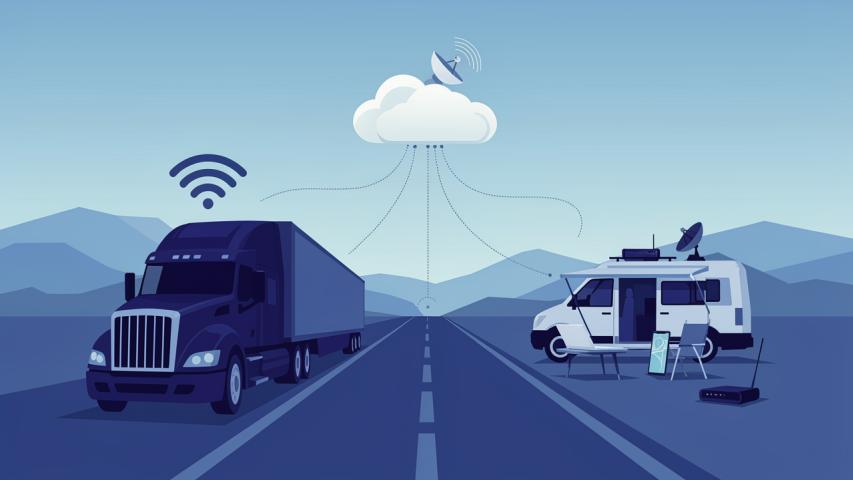
Traveling in an RV creates a different connectivity challenge. Unlike a traditional home, an RV can move between cities, rural areas, campgrounds, and remote destinations. Internet availability can therefore vary considerably from one location to another.
RV travelers may need connectivity for navigation, remote work, entertainment, communication, and trip planning. Having the right equipment and service can help travelers remain productive while enjoying greater freedom to move.
What to Consider Before Traveling
Before choosing an internet setup, RV owners should consider several factors:
Coverage: Check whether the service works in the areas you expect to visit.
Data requirements: Remote work and video streaming can consume significant amounts of data.
Equipment: Some services require dedicated routers, antennas, hotspots, or other hardware.
Power consumption: RV users should consider how networking equipment affects their available power.
Mobility: A solution designed for a fixed home may not be appropriate for frequent travel.
Travelers researching internet for rv should therefore look beyond advertised speeds and consider whether the service fits their travel habits and destinations.
Planning for Internet Availability
One of the simplest ways to prepare is to understand what connectivity options are available in a particular area. Availability can vary significantly depending on infrastructure, geography, and service provider coverage.
For U.S. locations, the FCC National Broadband Map allows users to search an address and review reported internet providers, technologies, and advertised speeds.
This type of research can be especially useful before moving into a new home, planning an extended RV trip, or selecting a secondary internet service.
Creating a More Flexible Connectivity Setup
A dependable connectivity strategy does not have to rely on a single technology. Different services can complement one another.
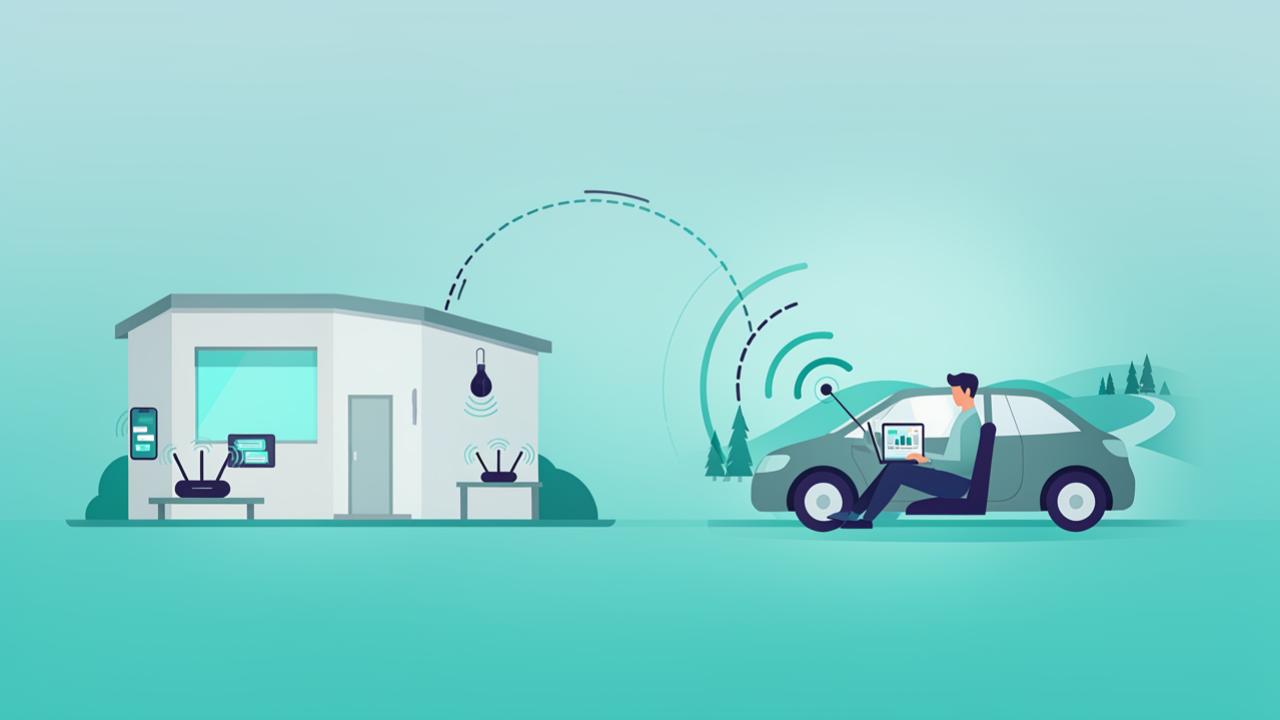
For example, a household might use traditional broadband as its primary connection and keep a cellular-based service available as a backup. An RV traveler could similarly combine a mobile internet option with another service that works in areas where cellular coverage may be limited.
The right combination depends on location, budget, usage requirements, and the importance of maintaining an internet connection.
Preparing Before an Outage
Preparation can make connectivity problems less disruptive. Keep backup networking equipment charged, understand how to switch between connections, and periodically test the secondary service.
It is also useful to identify which devices and activities are most important. If an outage occurs, essential work applications and communication can take priority over high-bandwidth entertainment.
Connectivity for a More Connected Life>
Whether you are managing a connected household or traveling across the country in an RV, reliable internet can provide greater convenience and flexibility. Modern connectivity options give consumers more ways to stay online, even when traditional services are unavailable or when they are far from home.
The key is to evaluate your specific needs rather than choosing a solution based solely on advertised speed. Coverage, reliability, data limits, equipment, portability, and backup capabilities can all influence the overall experience.
With thoughtful planning, homeowners and RV travelers can create connectivity setups that are better prepared for changing circumstances. A primary service combined with a practical backup option can help reduce the disruption caused by outages and make it easier to stay connected wherever life takes you.
FAQs
1. Why is backup internet useful at home?
Backup internet can provide an alternative connection when the primary service experiences an outage.
2. What internet options can RV travelers use?
Depending on location, RV travelers may consider cellular, satellite, mobile hotspot, or other portable connectivity options.
3. How can I check internet availability?
In the United States, the FCC National Broadband Map can be used to review reported broadband availability by address.
4. Is one internet connection enough for remote work?
It can be, but a backup connection may reduce disruption if the primary service becomes unavailable.
5. What should RV users consider when choosing the internet?
Coverage, data usage, portability, equipment requirements, power consumption, and travel destinations are important considerations.