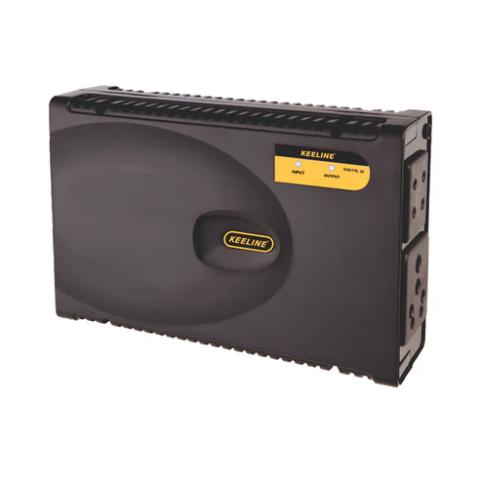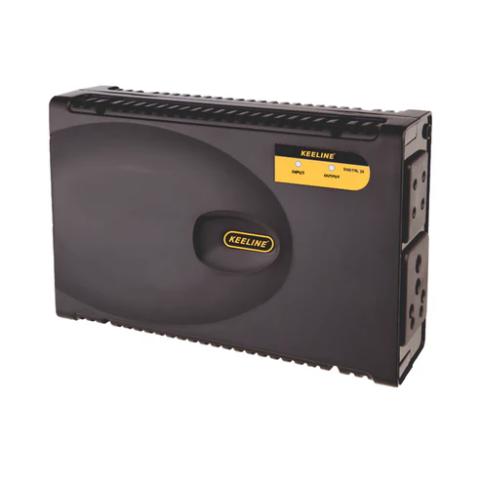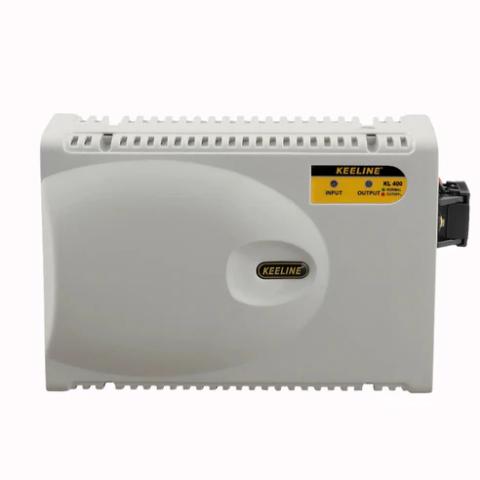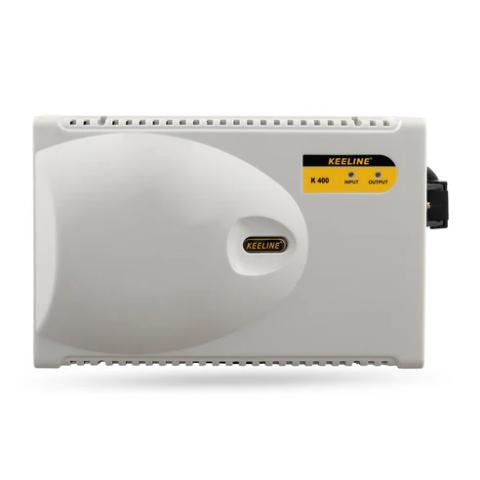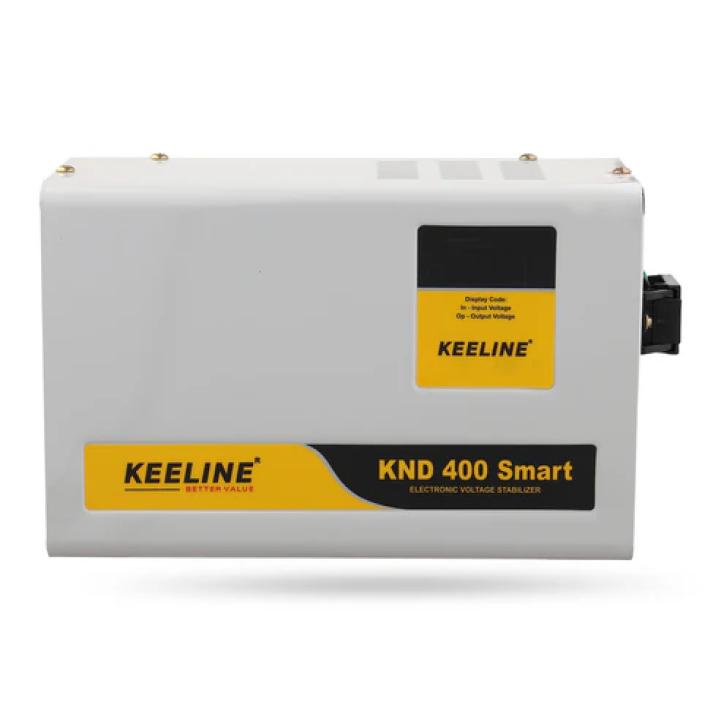
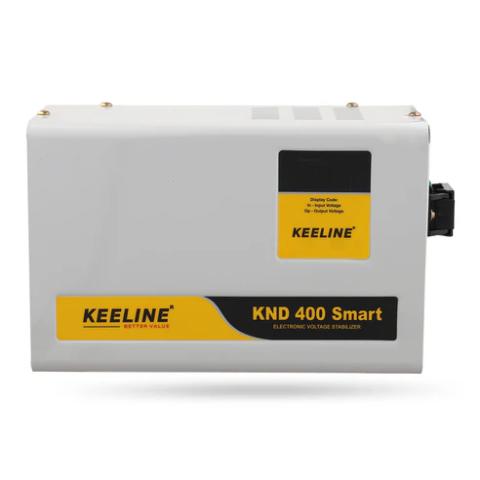
An air conditioner needs a consistent electrical supply for smooth and reliable operation. Voltage fluctuations can be a concern in many homes, particularly during periods of heavy electricity usage. Since a 1.5-ton AC contains electrical and electronic components that require appropriate voltage, selecting a compatible stabilizer can be an important consideration. Keeline offers AC stabilizers designed for different capacities, including solutions for 1.5-ton air conditioners.
For consumers comparing the best stabilizers for 1.5 ton AC, factors such as voltage range, capacity, protection features, compatibility, and warranty should be considered. Rather than selecting a product based only on its brand or price, understanding these specifications can help homeowners choose a stabilizer that matches their AC requirements.
Why Does a 1.5-Ton AC Need a Stabilizer?
Air conditioners contain components such as compressors, motors, control boards, and electronic circuits. Sudden or prolonged voltage fluctuations may affect the normal operation of these components.
A voltage stabilizer is designed to regulate the incoming electrical supply and provide an appropriate output voltage to the connected appliance within its specified range. This can be particularly useful in areas where voltage fluctuations occur frequently.
However, every AC has different requirements. The stabilizer should be selected according to the AC's capacity, type, voltage specifications, and the manufacturer's recommendations.
What Makes Keeline AC Stabilizers Different?
When comparing stabilizer brands, it is useful to look at the actual specifications rather than relying only on promotional claims. Keeline offers stabilizers designed specifically for household appliances, including air conditioners.
Keeline’s best stabilizers for 1.5 ton AC can be evaluated based on factors such as its voltage range, capacity, regulation capability, and available protection features. These specifications help homeowners determine whether a particular model is compatible with their air conditioner.
Designed for Air Conditioner Requirements
An AC stabilizer needs to accommodate the electrical characteristics of an air conditioner. Unlike smaller household appliances, an AC includes a compressor that can have different power requirements during operation and startup.
Keeline's AC stabilizers are designed for air-conditioning applications, allowing customers to select models according to their appliance capacity. If you own a 1.5-ton AC, checking the recommended capacity of the stabilizer is essential before making a purchase.
Appropriate Capacity Matters
Capacity is one of the first things to check when choosing a stabilizer. A stabilizer that is not appropriate for the connected appliance may not provide the expected performance.
When looking for the best stabilizers for 1.5 ton AC, consumers should check whether the product is specifically rated for a 1.5-ton air conditioner. The AC's power consumption and electrical requirements should also be compared with the stabilizer's specifications.
This becomes even more important when choosing a stabilizer for an inverter AC, as inverter models can have different electrical characteristics from conventional air conditioners.
Voltage Regulation for Fluctuating Supply
Voltage regulation is the primary function of an AC stabilizer. When the input voltage changes, the stabilizer works to regulate the output supplied to the connected appliance within its specified operating range.
If your home experiences frequent voltage fluctuations, checking the input voltage range becomes particularly important. A stabilizer with a suitable operating range can be considered based on the voltage conditions in your area.
For this reason, homeowners should review the technical specifications before choosing a Keeline AC stabilizer or comparing it with products from other brands.
Protection Features for Added Support
Many AC stabilizers include protection features intended to help manage certain voltage-related conditions. Depending on the model, these may include high-voltage protection, low-voltage protection, and time-delay functionality.
A time-delay feature can be useful for air conditioners because compressors may require a short interval before restarting after a power interruption. However, available features can differ between models, so customers should check the specifications of the particular Keeline product they plan to purchase.
Compatibility With Inverter ACs
Modern homes commonly use inverter air conditioners because of their variable-speed compressor technology. However, an inverter AC should not automatically be paired with any stabilizer simply because both are designed for air conditioning.
Before buying, check the AC manufacturer's recommendations and verify whether the selected stabilizer is compatible with your particular inverter AC. Voltage range, capacity, and other electrical specifications should match the appliance requirements.
What Should You Compare Before Buying?
Consumers searching for the best stabilizers for 1.5 ton AC should compare several factors instead of focusing on one specification. Input voltage range is important, especially in locations with significant fluctuations.
Other factors include output voltage, stabilizer capacity, protection features, response characteristics, AC compatibility, warranty, and installation requirements.
Comparing these specifications can help you understand how different models are suited to different electrical conditions. It also makes it easier to determine whether a Keeline product meets the requirements of your particular AC.
Why Consider Keeline?
Keeline provides stabilizers for several household appliances, including air conditioners. Its AC stabilizer range allows homeowners to consider products based on their appliance capacity and voltage requirements.
For someone specifically looking for Keeline's best stabilizers for 1.5 ton AC, the decision should be based on the product's technical specifications and compatibility with the AC rather than the brand name alone.
A suitable model can provide voltage regulation and relevant protection features while being selected according to the electrical conditions at home.
Choose According to Your AC Requirements
The right stabilizer depends on more than the AC's tonnage. Homeowners should consider whether the air conditioner is an inverter or non-inverter model, its operating voltage, power requirements, and the voltage conditions at the property.
It is also important to have the stabilizer installed correctly and ensure that the home's electrical wiring is appropriate for the AC load. Following the manufacturer's instructions can help ensure proper operation.
Final Thoughts
Choosing an AC stabilizer is about finding the right match between the appliance and the electrical conditions in your home. Capacity, input voltage range, output voltage, protection features, compatibility, warranty, and installation requirements are all worth considering.
Keeline offers AC stabilizer options that can be evaluated for 1.5-ton air conditioners. If you are comparing the best stabilizers for 1.5 ton AC, review the specifications of each model and match them with your AC manufacturer's requirements. This approach can help you make a practical and informed choice for your air-conditioning setup.
FAQs
1. Is a Keeline stabilizer suitable for a 1.5-ton AC?
Keeline offers AC stabilizer models designed for different air-conditioner capacities. Check the specific model's capacity and specifications to confirm whether it is suitable for your 1.5-ton AC.
2. What should I check before buying a stabilizer for a 1.5-ton AC?
Check the AC type, capacity, operating voltage, power requirements, and manufacturer's recommendations. Then compare these with the stabilizer's input range, capacity, output voltage, and protection features.
3. Can a stabilizer protect a 1.5-ton AC from voltage fluctuations?
A suitable stabilizer is designed to regulate input voltage within its specified operating range and may include additional voltage-related protection features. The level of protection depends on the specific model and electrical conditions.
4. Do inverter ACs need a stabilizer?
Not every inverter AC necessarily requires a separate stabilizer. Some models are designed to operate across a wider voltage range or include voltage protection. Always check the AC manufacturer's recommendations before purchasing one.
5. How do I select the best stabilizer for a 1.5-ton AC?
Compare the input voltage range, capacity, output voltage, protection features, AC compatibility, warranty, and installation requirements. The stabilizer should match the specifications of your particular AC.
6. Why choose an AC-specific stabilizer?
An AC-specific stabilizer is designed around the electrical requirements of air conditioners, including their compressor and operating characteristics. This can make it more appropriate than choosing a general-purpose stabilizer without checking compatibility.