
Communication is part of almost everything people do. Businesses communicate with customers, employees, suppliers, and partners, while individuals share information with friends, family, and communities. Although digital platforms have changed how messages are delivered, physical materials still have an important place in everyday communication.
A well-designed brochure, invitation, poster, presentation handout, menu, or business card can communicate information in a way that feels more tangible and memorable. The effectiveness of these materials does not necessarily depend on complicated designs. Often, small choices involving layout, typography, images, paper, and color can make a significant difference.
Start With a Clear Purpose
Before creating any printed material, it is useful to understand what the material is supposed to achieve. A business flyer may be designed to introduce a service, while a brochure might explain several products or provide information about an organization.
When the purpose is clear, decisions about design become easier. Information that is essential to the reader should receive greater visual attention. Less important details can be placed in supporting sections.
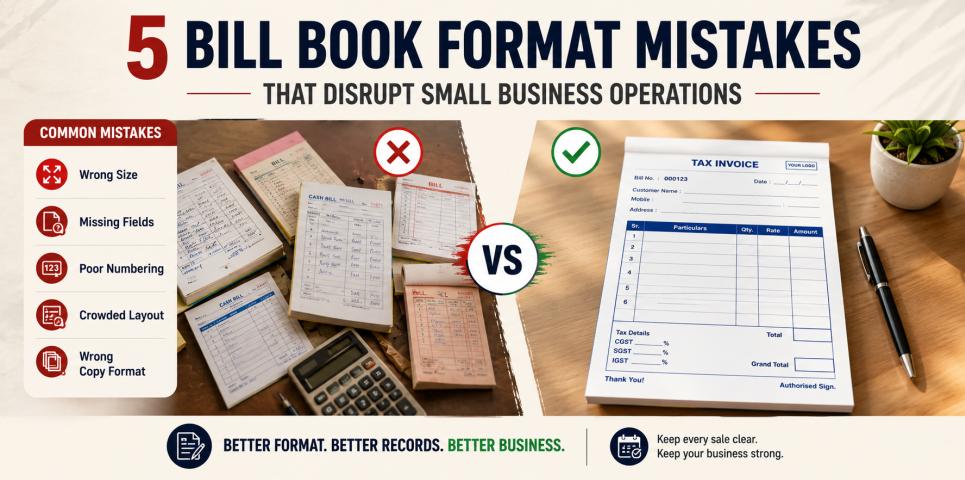
A common mistake is trying to include too much information. A crowded page can make it difficult for readers to identify the main message. Simple organization often produces a stronger result.
Make Information Easy to Read
Good communication depends heavily on readability. Choosing an attractive font is not enough if the text is difficult to read.
Designers should consider font size, spacing, line length, and contrast. Headings can help divide longer content into manageable sections, while short paragraphs make information easier to scan.
The same principle applies to printed marketing materials. A reader should be able to understand the main idea without having to search through a page filled with competing elements.
White space can also be valuable. Empty areas are not necessarily wasted space. They can help separate sections and draw attention toward important information.
Use Images With a Purpose
Images can make printed materials more engaging, but they should support the message rather than simply fill space. A relevant photograph, illustration, chart, or graphic can help explain an idea quickly.
For example, a restaurant menu may benefit from carefully selected food photography, while an educational brochure may use diagrams to explain a process. A business presentation might use simple charts instead of large blocks of text.
Image quality matters as well. A low-quality image that looks acceptable on a small screen may appear noticeably poor when reproduced at a larger size. Using suitable image resolution and appropriate file formats can help maintain a professional appearance.
Consider Color Carefully
Color can influence how people perceive printed communication. Different combinations can create different moods and levels of visual emphasis.
However, using too many colors can make a design feel confusing. A simple color palette is often easier to manage and can create a more consistent visual identity.
Businesses should also consider whether their chosen colors match their existing branding. Consistency across business cards, brochures, packaging, signage, and other materials can help create a recognizable identity.
Choose Materials That Match the Message
The physical characteristics of printed material can affect how it is perceived. Paper weight, texture, finish, and size can all contribute to the overall impression.
For example, a formal invitation may benefit from a different paper choice than a temporary event flyer. A product brochure intended to be kept for a long time may require more durable materials than a simple promotional handout.
There is no universally correct option. The best choice depends on the purpose, audience, budget, and expected lifespan of the material.
Modern Printing Makes Personalization Easier
Printing technology has developed considerably over the years. Modern processes can provide businesses and individuals with greater flexibility in terms of quantities, designs, turnaround times, and customization.
For many projects, digital printing can be a practical option because it allows designs to be reproduced directly from digital files without requiring traditional setup processes associated with some other printing methods. This can make it suitable for smaller quantities, customized materials, and projects where designs may need to be updated regularly.
For example, a business might create different versions of a brochure for different audiences or produce event materials with personalized information. The appropriate printing method ultimately depends on factors such as quantity, material, finish, budget, and project requirements.
Proofreading Should Never Be Skipped
Even an attractive design can lose credibility because of a simple spelling or formatting mistake. Before printing a project, the content should be reviewed carefully.
Important details such as phone numbers, addresses, dates, prices, website information, and names deserve particular attention. It is also useful to have another person review the material because fresh eyes may notice problems that the original designer overlooked.
A final proof can save time and money by identifying errors before a large quantity is produced.
Think About the Reader
Effective communication begins with understanding the audience. A design created for children will naturally look different from a formal business document. Similarly, technical information may need a different structure from promotional content.
Ask simple questions before finalizing a project: Who will read this? What information do they need first? Where will they see it? How much time are they likely to spend with it?
Answering these questions can help guide decisions about wording, design, format, and printing.
Final Thoughts
Printed communication remains useful because it provides something people can see, hold, share, and keep. Whether the project is a business brochure, personal invitation, educational handout, or promotional flyer, thoughtful planning can make the final result more effective.
Clear messaging, readable typography, useful imagery, balanced colors, suitable materials, and careful proofreading all contribute to a better experience for the reader. Modern printing options add further flexibility, allowing people to create practical materials that suit different audiences and purposes.
Ultimately, successful printed communication is not about adding as many design elements as possible. It is about making the right choices so that the message remains clear, useful, and easy to remember.