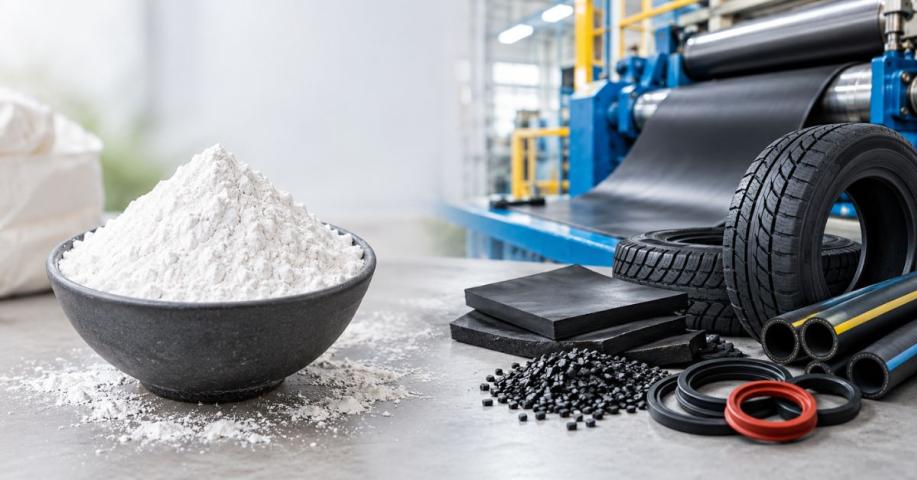

The Natural Rubber Price
Trend showed a strong upward movement during the second quarter of 2026
as weather-related supply problems, steady demand from tire manufacturers, and
higher transportation costs affected the global market.
Natural rubber production depends
heavily on weather conditions, and even a few weeks of heavy rainfall can
reduce latex collection across major producing regions. During Q2 2026, these
challenges affected several Southeast Asian countries, including Thailand,
Indonesia, Malaysia, and Vietnam.
At the same time, buyers continued
purchasing raw materials to maintain production and avoid supply shortages.
These factors supported prices across domestic and international markets,
making natural rubber one of the closely watched commodities during the
quarter.
👉👉👉Please submit your query to get Natural
Rubber Price
Trend, forecast and market price analysis: https://www.price-watch.ai/book-a-demo/
Understanding the Natural Rubber Market
in Q2 2026
Natural rubber is an important raw
material used in many everyday products. It is widely used in tires, industrial
belts, hoses, footwear, medical products, adhesives, and several other
rubber-based applications.
The tire manufacturing industry remains
one of its major sources of demand, which means changes in automotive
production and tire sales can influence purchasing activity across the market.
During Q2 2026, natural rubber prices
increased across most of the monitored markets. The main reason was the limited
availability of raw materials during important harvesting periods.
When rainfall becomes excessive, rubber
tapping activities can slow down because workers cannot collect latex under
unfavorable conditions. This reduces the amount of rubber available to
processors and exporters.
At the same time, demand from tire
manufacturers remained steady. Many buyers continued to purchase material
despite higher prices because natural rubber is essential for their regular
production requirements. Importers also focused on maintaining sufficient
inventories rather than depending entirely on future supplies.
Transportation expenses added further
pressure. Higher freight costs and uncertainty in international shipping
increased the landed cost of imported natural rubber. As a result, the price
increases were visible not only in producing countries but also in major
importing markets.
Natural Rubber Price Trend in India
India recorded a 15% increase in natural rubber prices
during Q2 2026. The domestic market received strong support from lower latex
arrivals in Kerala, particularly during the early part of the quarter. Kottayam
remained an important reference point for domestic bulk latex prices, with the
monitored grade covering latex at 60% dry rubber content (DRC).
Unseasonal rainfall affected tapping
activities and reduced the quantity of latex available in the market. For
rubber growers, weather conditions directly influence daily collection, so
prolonged rainfall can reduce the volume supplied to processors and buyers.
Demand also played an important role.
Glove manufacturers, adhesive producers, and other latex-based product
manufacturers continued to require raw materials for their production
activities. Since these industries could not easily stop operations because of
higher input costs, procurement remained relatively steady.
When fewer sellers offer material in the
spot market while buyers continue purchasing, prices generally receive upward
support. This was one of the key reasons behind the increase in domestic prices
during the quarter.
In June 2026, Natural Rubber Prices
in India increased by another 4%. Improving weather conditions supported
tapping activities, but the additional supply was not enough to remove the
upward pressure completely. Healthy domestic demand continued to keep prices
elevated.
Looking ahead, the Indian market will
depend on the recovery in latex arrivals, rainfall patterns across Kerala, and
demand from rubber-processing industries. A consistent improvement in
production could moderate prices, while renewed weather disruptions could keep
the market firm.
Natural Rubber Price Trend in Indonesia
Indonesia recorded a 14% increase in
natural rubber prices during Q2 2026. The monitored benchmark was technically
based on export prices on a free-on-board (FOB) Jakarta basis for technically
specified rubber, grade SIR 20.
Weather disruptions reduced tapping
activity across important producing regions, limiting the availability of raw
rubber. Although exporters continued to serve international buyers, restricted
spot volumes made it more difficult for purchasers to secure additional
supplies at lower prices.
Demand from tire manufacturers in Asia
and other overseas markets supported export activity. Buyers continued to
procure material to meet their production requirements, while producers
maintained relatively firm offers because of the limited availability of
supplies.
In June, prices increased by a further
4%. Harvesting conditions showed gradual improvement, but supply remained
constrained. This suggests that a recovery in production needs time to
translate into a meaningful improvement in market availability.
For the coming months, Indonesian prices
will depend on harvesting conditions, export demand, and competition among
regional suppliers. If production improves steadily, the pace of price
increases could slow.
Natural Rubber Price Trend in Malaysia
Malaysia recorded a 26% increase during
Q2 2026, making it one of the strongest-performing markets in the quarterly
comparison. The monitored benchmark was bulk latex at 60% DRC on an FOB Johor
basis.
Lower latex collection caused by
unfavorable weather reduced the availability of raw materials. At the same
time, regional buyers continued to purchase material for their processing
requirements. Domestic processors also maintained procurement activity, adding
to competition for the available supply.
When buyers compete for limited raw
materials, sellers generally have greater flexibility in setting prices. This
helped keep Malaysian prices elevated throughout the quarter.
However, June recorded a smaller
increase of 1%. Improving weather supported latex arrivals and reduced the pace
of price growth. The market remained firm, but the smaller monthly increase
suggested that some supply pressure was easing.
The future direction of Malaysian prices
will depend on whether latex collection returns to more normal levels.
Continued export demand could provide support, although better supply
availability may limit further sharp increases.
Natural Rubber Price Trend in Thailand
Thailand recorded a 15% increase during
Q2 2026. As one of the major natural rubber-producing and exporting countries,
Thailand plays an important role in supplying international markets.
Adverse weather conditions reduced latex
collection across key producing regions. This limited the volume of raw
materials available for exporters and supported higher export quotations. At
the same time, tire manufacturers across Asia continued purchasing natural
rubber to maintain production.
The combination of limited supply and
steady demand strengthened seller confidence. Buyers that needed immediate
supplies had to work with the prevailing market prices, particularly when spot
availability was restricted.
In June, prices increased by another 7%.
Heavy rainfall continued to interfere with harvesting, preventing a faster
recovery in raw material availability. Strong international demand also helped
maintain upward pressure.
Thailand's market will remain closely
linked to weather conditions, export demand, and the availability of latex.
Since Thai export quotations influence prices in several importing countries,
continued strength in this market can also affect purchasing costs in the
United States, China, Europe, and Brazil.
Natural Rubber Price Trend in Vietnam
Vietnam recorded a 27% increase in
natural rubber prices during Q2 2026, matching Brazil for the largest quarterly
rise in the monitored markets. The benchmark was bulk latex at 60% DRC on an
FOB Saigon basis.
Unfavorable weather conditions reduced
latex availability, while demand from China and other Asian markets remained
healthy. These two factors helped maintain firm export offers throughout the
quarter.
Vietnamese suppliers faced limited
availability during a period when international buyers continued looking for
reliable raw material supplies. Buyers were therefore willing to procure
material at higher prices to protect their production schedules.
In June, prices increased by a further
1%. Improved weather conditions supported latex harvesting and moderated the
pace of price growth. However, the market did not experience a significant
correction because export demand remained supportive.
Vietnam's price outlook will depend on
the speed of the production recovery and the level of demand from major
importing countries. Better supply could reduce upward pressure, but strong
purchasing activity may prevent prices from falling substantially.
Natural Rubber Price Trend in the USA
The United States recorded a 16%
increase in natural rubber prices during Q2 2026. The monitored benchmark was
imported bulk latex at 60% DRC, delivered on a CIF Houston basis from Thailand.
CIF prices include the cost of the
goods, insurance, and freight to the destination port. Consequently, US import
prices can increase even when the underlying commodity price changes only
moderately.
During Q2, higher Thai export quotations
increased the cost of imported material. Freight expenses also added pressure,
while US tire manufacturers continued purchasing natural rubber to support
production.
Importers faced the challenge of
balancing higher purchasing costs against the risk of insufficient inventory.
Maintaining adequate supplies was important because a shortage of natural
rubber could disrupt manufacturing schedules.
In June, prices increased by another 6%.
Thai export offers remained firm despite some improvement in shipping
conditions. This demonstrated that lower transportation pressure alone was not
sufficient to reverse the broader upward movement.
The US market will continue to depend on
Asian export prices, freight rates, import demand, and domestic inventory
levels. If international supplies become more readily available, price growth
could moderate.
Natural Rubber Price Trend in the
Netherlands
The Netherlands recorded a 20% increase
during Q2 2026. The benchmark covered bulk latex at 60% DRC imported from
Thailand on a CIF Rotterdam basis.
Higher Thai export prices raised the
cost of imported natural rubber. Freight expenses added to the increase, making
procurement more expensive for European buyers.
Demand from European tire manufacturers
remained resilient despite the higher prices. Buyers continued to purchase raw
materials because their production requirements did not disappear when market
prices increased. Some importers also replenished inventories to reduce the
risk of future supply interruptions.
In June, prices rose by another 7%,
reflecting continued strength in Thai export quotations and persistent
weather-related supply constraints.
The Dutch market will remain sensitive
to Asian export offers, freight costs, and European industrial demand. Any
improvement in Southeast Asian production could help moderate import costs,
although the effect may take time to reach European buyers.
Natural Rubber Price Trend in Brazil
Brazil recorded a 27% increase during Q2
2026, tying Vietnam for the largest quarterly gain in the monitored markets.
The benchmark covered bulk latex at 60% DRC imported from Thailand on a CIF
Santos basis.
Higher Thai export quotations were a
major factor behind the increase. Limited latex availability in producing
regions and elevated freight expenses increased the total cost of imported
material.
Demand from Brazil's tire manufacturing
and industrial rubber sectors remained healthy. Buyers continued importing
material to support production, even as the cost of procurement increased.
In June, prices rose by another 5%. Thai
export offers remained elevated, while supply constraints continued to affect
international availability.
For Brazil, the future price direction
will depend on import costs, global supply conditions, and domestic industrial
demand. A reduction in freight expenses or improved Asian production could
provide some relief, but continued strength in export prices may keep imported
material expensive.
Natural Rubber Price Trend in China
China recorded a 15% increase during Q2
2026. The monitored benchmark was bulk latex at 60% DRC imported from Thailand
on a CIF Shanghai basis.
Higher Thai export quotations increased
landed costs, while weather-related production constraints reduced the
availability of natural rubber. Freight expenses further influenced import
purchasing decisions.
Demand from tire manufacturers remained
healthy, supported by ongoing automotive and tire production requirements.
Buyers continued procuring raw materials to maintain regular manufacturing
operations.
In June, prices increased by another 7%.
Thai export offers remained firm because of limited supply and sustained buying
interest.
China's market will continue to be
influenced by its industrial production levels, import requirements, and the
availability of material from Southeast Asian suppliers. If automotive and tire
demand remains steady while supply is limited, prices could retain upward
support. Conversely, weaker industrial activity or improved export availability
could moderate the market.
Natural Rubber Price Index: What Q2 2026
Tells Buyers
The Natural Rubber Price Index
helps buyers understand the direction of prices over time rather than focusing
on an individual transaction. When prices increase across several producing and
importing markets, it suggests that the movement is broader than a local supply
problem.
Q2 2026 showed this pattern clearly. All
nine monitored markets recorded quarterly increases ranging from 14% to 27%.
Producing countries experienced pressure from limited latex collection, while
importing countries faced higher export quotations and transportation costs.
The index perspective is particularly
useful for manufacturers that purchase natural rubber regularly. Comparing
price movements across months can help purchasing teams identify whether costs
are rising steadily, stabilizing, or beginning to correct.
However, an index should not be treated
as a universal quotation. Natural rubber prices vary according to grade, dry
rubber content, delivery terms, location, quality, and contract conditions. A
domestic bulk latex price in India cannot be compared directly with a CIF
import price in Europe without accounting for these differences.
Businesses should therefore monitor
market benchmarks alongside their actual purchase costs. This provides a
clearer picture of how international price movements affect individual sourcing
decisions.
Key Factors Affecting Natural Rubber
Prices
Several factors influenced the market
during Q2 2026, and these factors will remain important for future price
movements.
Weather and harvesting conditions:
Natural rubber production depends on regular tapping activity. Heavy rainfall
can reduce collection, while improved weather can help restore supply. The
timing and consistency of the recovery are important for prices.
Demand from tire manufacturers:
Tires account for a major share of natural rubber consumption. Steady tire
production supports purchasing, while weaker automotive activity or reduced
tire demand can limit price growth.
Availability in producing countries:
Thailand, Indonesia, Malaysia, and Vietnam are important suppliers. Production
difficulties in these countries can influence prices across international
markets.
Freight and shipping costs:
Importers must consider transportation and insurance expenses in addition to
the export price. Higher freight rates can raise landed costs even when
commodity prices remain unchanged.
Inventory management:
Buyers may increase purchases when they expect shortages or further price
increases. This can strengthen short-term demand, while comfortable inventories
may reduce the urgency to buy.
Global economic conditions:
Industrial output, vehicle manufacturing, consumer spending, and trade activity
all influence demand for natural rubber. Changes in these areas can affect
market sentiment over time.
Natural Rubber Price Forecast: What to
Expect After Q2 2026
The natural rubber price outlook will
depend mainly on the balance between supply recovery and continuing demand. The
strong increases recorded during Q2 2026 show how sensitive the market can be
when production difficulties occur during periods of steady industrial
consumption.
If weather conditions improve across
Southeast Asia and latex collection returns to normal levels, additional supply
could reduce the pressure on prices. Malaysia and Vietnam already recorded
relatively small increases of 1% in June, indicating a slower pace of growth
compared with their full-quarter movements.
However, a slower increase does not
automatically mean that prices will fall. Thailand's prices rose by another 7%
in June, while China and the Netherlands also recorded monthly increases of 7%.
These figures show that supply conditions and international quotations remained
important even as some producing regions began recovering.
Demand will be another major factor. If
tire manufacturers continue purchasing steadily, the market may remain firm. If
industrial demand weakens or buyers reduce their inventory levels, price growth
could slow more noticeably.
Freight costs will also influence
importing markets. A reduction in shipping expenses could ease landed costs in
the United States, the Netherlands, Brazil, and China. However, the impact will
depend on whether lower freight costs are accompanied by improved availability
at the export origin.
For businesses, the most practical
approach is to monitor weather developments, export offers, inventory levels,
and monthly price movements together. Relying on a single indicator may not
provide a complete picture of the market.
Conclusion
The Natural Rubber Price Trend during
Q2 2026 reflected a combination of weather-related supply constraints, steady
demand from tire manufacturers, and higher international transportation costs.
India and Indonesia recorded increases of 15% and 14%, respectively, while
Malaysia rose by 26%. Vietnam and Brazil recorded the largest gains at 27%,
highlighting the strength of the market across both producing and importing
regions.
June movements showed that the pace of
price growth began to moderate in some markets, particularly Malaysia and
Vietnam. However, prices continued to rise in India, Indonesia, Thailand, the
United States, the Netherlands, Brazil, and China. This suggests that the
market remained firm even as harvesting conditions gradually improved in
certain regions.
The Natural Rubber Price Chart and
Natural Rubber Price Index provide useful ways to follow these changes, compare
regional movements, and understand how supply and demand affect purchasing
costs. Looking ahead, improved weather and better latex availability could help
stabilize prices, while strong tire-sector demand and continued supply
constraints could keep the market elevated.
For manufacturers, processors,
importers, and procurement teams, following natural rubber prices regularly can
support better purchasing decisions and more effective inventory planning. The
key will be to watch how quickly supply recovers and whether global demand
remains strong enough to absorb the additional material.
👉👉👉Please submit your query to get Natural
Rubber Price
Trend, forecast and market price analysis: https://www.price-watch.ai/book-a-demo/
About
Price Watch™
Price Watch™ is an independent raw material price reporting
agency that provides real-time price forecasts and data-driven insights into
global raw material markets. Price-Watch™ specializes in tracking raw material
prices, analyzing market trends. and delivering timely updates on plant
shutdowns, supply disruptions, capacity expansions, and demand-supply dynamics.
The Price-Watch™ platform empowers manufacturers, traders, and procurement
professionals to make faster, smarter decisions. Leveraging AI-powered
forecasting and over a decade of historical data, Price-Watch™ transforms
market volatility into actionable opportunity.
Futura Tech
Park,
C Block,
8th floor 334,
Old
Mahabalipuram Road,
Sholinganallur,
Chennai,
Tamil Nadu,
Pincode - 600119.
LinkedIn:
https://www.linkedin.com/company/price-watch-ai/
Facebook:
https://www.facebook.com/people/Price-Watch/61568490385598/
Twitter: https://x.com/pricewatchai
Website: https://www.price-watch.ai/