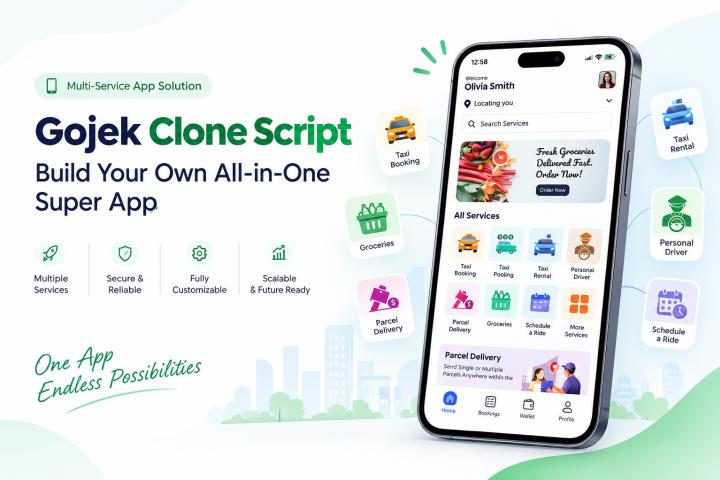
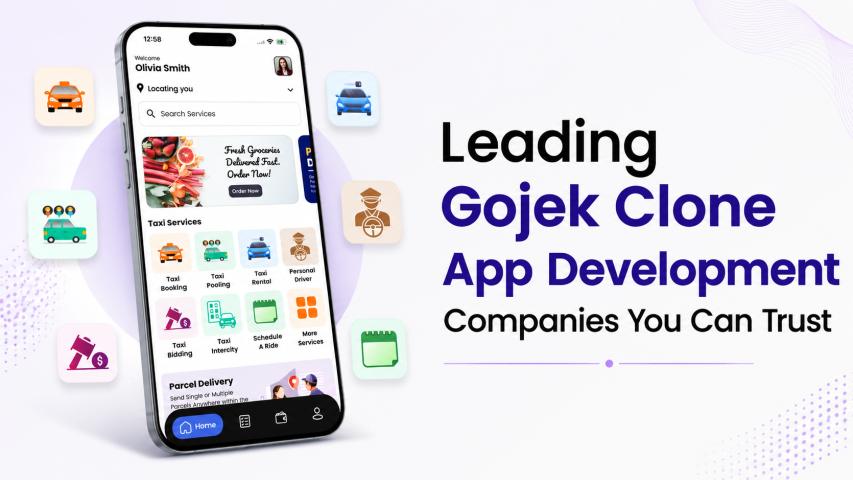
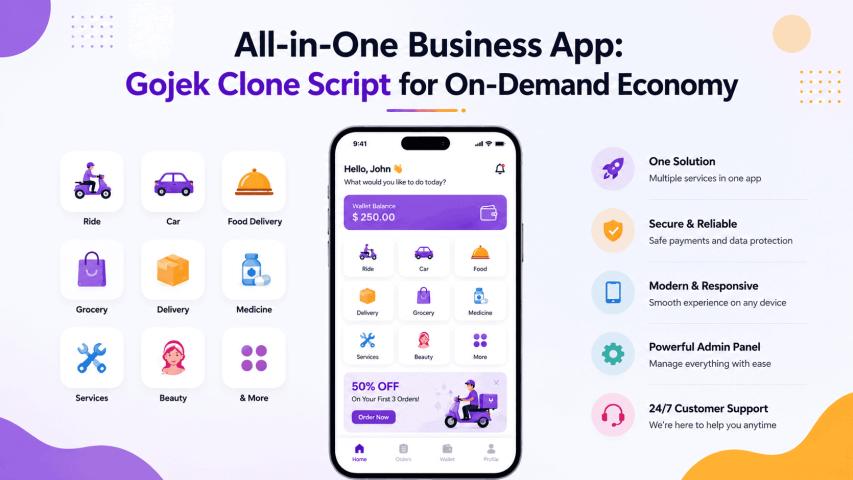
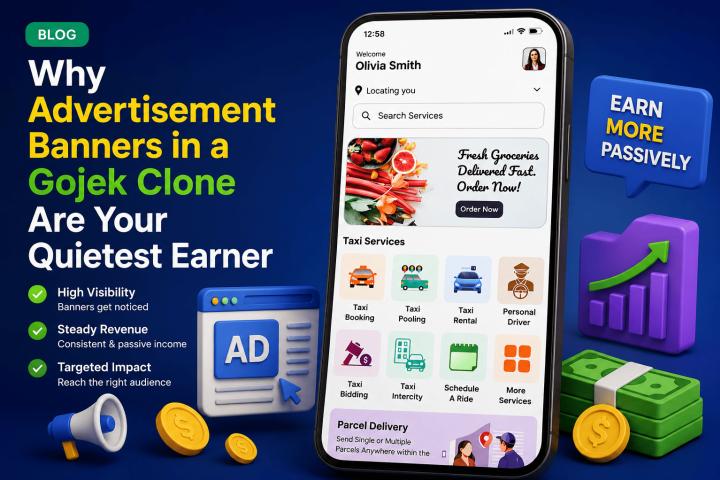
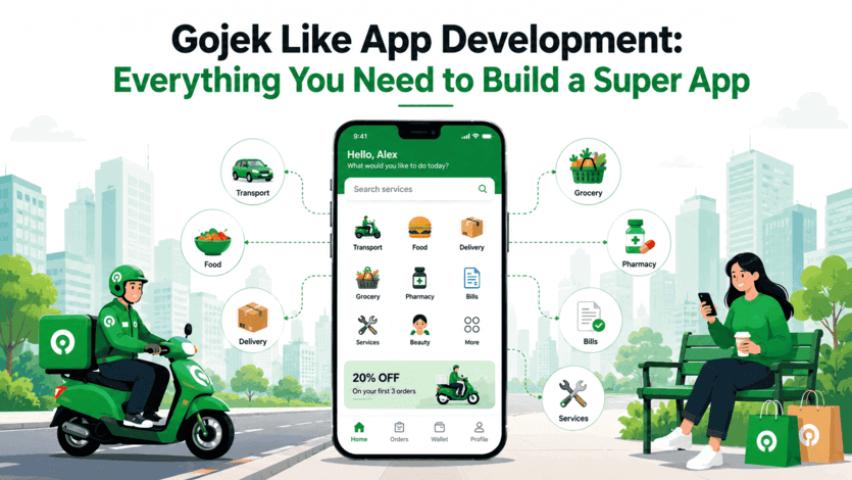
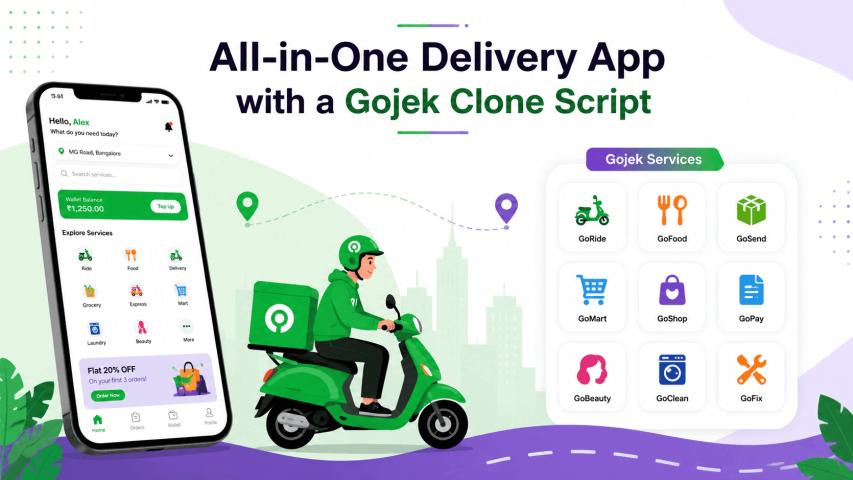
A multi-service app allows customers to access several services through a single platform. They can order food, buy groceries, book transportation, arrange home repairs, or request deliveries without switching between different applications. For businesses, this model creates an opportunity to serve multiple customer needs through one digital product.
However, launching a multi-service app involves more than developing software. Entrepreneurs must understand local demand, establish relationships with service providers, manage daily operations, and create a business model that can cover its costs.
The following steps explain how to plan and launch a multi-service app platform with a clear focus on customer needs and practical business requirements.
1. Research the Market and Identify Customer Needs
Market research helps determine whether a multi-service app can solve problems that customers experience in their daily lives.
Start by identifying your target audience and the area where you plan to operate. Study existing service providers, competing applications, customer reviews, pricing structures, and service availability. Look for specific problems, such as limited delivery coverage, complicated booking procedures, or a lack of reliable local providers.
For example, a business targeting a residential area might discover that residents struggle to find dependable home cleaning services. Another location might have stronger demand for grocery delivery or local transportation.
Speak with potential customers and service providers before making major investments. Their feedback can help you decide which services deserve priority and whether customers are willing to pay for them.
2. Choose the Right Services for Your Platform
Offering too many services at launch can increase operating costs and make quality control difficult. Each service category has different requirements for staffing, pricing, fulfilment, customer support, and compliance.
Choose services based on local demand, provider availability, competition, and expected revenue. Consider starting with two or three related categories that share customers or operational resources.
For example, food delivery and grocery delivery may use similar merchant relationships and delivery networks. Home cleaning and appliance repair, however, may require different provider verification processes and scheduling systems.
Evaluate each service before adding it to the platform. Estimate the cost of fulfilling an order, identify potential providers, and determine how the business will handle cancellations or complaints.
Expanding gradually gives the business time to understand customer behaviour and improve its operations before introducing additional categories.
3. Define a Practical Revenue Model
A multi-service app needs a revenue model that supports its operating expenses while remaining acceptable to customers and service providers.
Several options are available:
Commission fees: Collect a percentage of each completed transaction from participating businesses or service providers.
Delivery and booking fees: Charge customers for arranging deliveries, transport, appointments, or other services.
Subscriptions: Offer recurring plans with benefits such as reduced fees or additional features.
Paid listings: Allow participating businesses to pay for greater visibility within relevant categories.
Convenience fees: Charge a clearly disclosed platform fee where appropriate.
Businesses can combine revenue streams when the pricing structure makes sense for their services. However, every fee should have a clear purpose and should be communicated before a transaction is completed.
Calculate the expected revenue and expenses for each service separately. Account for provider payments, payment processing, refunds, discounts, customer support, marketing, and other operating costs. This helps determine whether a service can contribute to the business financially.
4. Plan the Essential App Features
The app should make it easy for customers to find a service, complete a booking, and receive updates. Its features should support the actual workflow of the business.
Customer application
Customers generally need account registration, service categories, search and filters, booking or ordering, payment options, notifications, order history, ratings, and customer support.
Features such as live tracking, scheduled bookings, or recurring orders should depend on the services offered.
Service provider application
Providers need tools to manage their profiles, availability, incoming requests, bookings, earnings, and customer communication. Delivery partners may also require navigation and order-status updates.
Admin dashboard
The administration panel allows the business to manage customers, service providers, bookings, pricing, commissions, payments, complaints, and service categories. Reports can help managers monitor performance and identify operational problems.
Plan these components around user needs instead of adding features simply because competing applications offer them. A simple, reliable booking process is more useful than a complicated interface with functions that customers rarely use.
5. Select the Appropriate Development Approach
Choosing the right technology affects the development timeline, budget, flexibility, and future maintenance of the platform.
Custom development allows businesses to build features around specific operational requirements. It can provide greater control over the product, but development and testing may require more time, technical expertise, and investment.
A white-label solution uses an existing software platform that can be adapted to a business's branding and selected requirements. This approach may reduce the amount of development work needed before launch, depending on the product and required customisation.
Before choosing either option, compare the included features, source-code ownership, integration options, scalability, security, maintenance arrangements, and support terms.
Also consider the total cost of ownership. Hosting, software licensing, payment integrations, updates, and technical support can create ongoing expenses after the initial launch.
6. Build a Reliable Network of Service Providers
The quality of a multi-service app depends heavily on the businesses and professionals who fulfil customer requests. Even a well-designed application will struggle if providers are unavailable, unresponsive, or unreliable.
Identify suitable providers and explain the commercial terms before onboarding them. These terms should cover commissions, payment schedules, service standards, cancellation policies, and complaint handling.
Verify provider information and qualifications according to the service category and applicable legal requirements. Establish a process for reviewing customer feedback and addressing repeated service failures.
Begin with a manageable number of providers in a defined service area. Monitor booking acceptance, fulfilment rates, cancellations, and customer ratings to determine whether the network can meet demand consistently.
7. Protect Customer Data and Maintain Reliable Payments
Customers may share contact details, addresses, location information, and payment-related data when using a multi-service platform. Businesses must handle this information responsibly.
Use secure authentication, appropriate access controls, encrypted connections, regular software updates, and reliable payment integrations. Collect only the personal information required to provide the service and establish clear policies for its use and retention.
Choose payment providers that support the payment methods and operating regions relevant to your business. Test successful transactions, failed payments, refunds, and payment confirmations before launch.
Privacy, payment security, and applicable legal obligations should be considered during development, not added after problems occur.
8. Test the Platform Before Launch
Testing helps identify problems that could disrupt bookings or damage customer trust. Check the application across supported devices and common user scenarios.
Test account creation, service selection, booking confirmation, payment processing, cancellations, refunds, notifications, and provider assignment. Verify that the customer application, provider application, and admin dashboard display consistent information.
Invite a small group of users and providers to participate in a pilot launch. Ask them to complete real-world booking scenarios and report confusing screens, delays, errors, or missing information.
Resolve serious issues before promoting the platform widely. A limited launch also gives the business an opportunity to measure demand without placing excessive pressure on its support team.
9. Promote the App and Measure Its Performance
Once the platform is ready, focus marketing efforts on the customers and locations the business can serve reliably.
Local search optimization, partnerships with merchants, social media, referral programmes, and targeted advertising can help attract initial users. Marketing messages should explain which services are available, where they operate, and how customers can book them.
Track more than downloads and registrations. Useful performance indicators include completed bookings, repeat purchase rates, average transaction value, cancellation rates, customer acquisition cost, and revenue after variable expenses.
Review these metrics regularly. If customers register but rarely complete bookings, investigate the service selection, pricing, booking process, and provider availability. If cancellations increase, examine fulfillment problems before increasing advertising spend.
Use the findings to improve existing services before expanding into new categories.
Conclusion
Building a successful multi-service app platform requires careful planning across market research, service selection, pricing, technology, provider management, and customer support. Entrepreneurs can reduce early risks by testing demand, starting with a focused service offering, and measuring how well the business fulfills customer requests.
The platform should evolve according to customer feedback and operating results. Consistent service quality, transparent pricing, and dependable fulfillment provide a stronger foundation for growth than adding more categories before the business is ready.
Frequently Asked Questions
1. What is a multi-service app platform?
A multi-service app platform allows customers to access different services through one application. Depending on the business model, it may support food delivery, grocery shopping, transportation, parcel delivery, home maintenance, or other local services.
2. How do I choose the services for my multi-service app?
Research local demand, competitor offerings, provider availability, fulfilment costs, and customer expectations. Start with a small number of services that your business can manage reliably, then expand based on actual booking data.
3. How does a multi-service app generate revenue?
Common revenue sources include transaction commissions, delivery fees, booking charges, subscriptions, and paid business listings. The appropriate combination depends on the services offered and the costs of operating the platform.
4. What are the main components of a multi-service app?
Most platforms include a customer application, a service provider or delivery partner application, and an admin dashboard. These components support bookings, fulfilment, payments, account management, and business operations.
5. How much does it cost to build a multi-service app?
Development costs vary according to the number of services, feature requirements, design, integrations, customisation, and maintenance needs. Businesses should compare the full costs of custom development and white-label software before selecting an approach.
6. How long does it take to develop a multi-service app?
The timeline depends on the platform's complexity, development approach, integrations, testing requirements, and provider onboarding. Custom-built platforms and configurable pre-built solutions can have different timelines, so businesses should request a project-specific estimate.
7. Why is service provider management important?
Service providers directly affect availability, fulfilment times, customer satisfaction, and repeat bookings. Clear commercial terms, suitable verification, reliable communication, and consistent performance monitoring help maintain service quality.
8. How can a business attract users to a new multi-service app?
Businesses can use local SEO, merchant partnerships, referral programmes, social media, and targeted advertising. Focusing on a defined service area and delivering a dependable customer experience can help encourage repeat usage.
9. Which metrics should a multi-service app business track?
Important metrics include completed bookings, repeat customers, average transaction value, cancellations, provider acceptance rates, customer acquisition cost, and contribution margin. Reviewing these figures helps identify operational problems and assess financial performance.
10. Can a multi-service app expand into new categories after launch?
Yes. A business can add categories after validating demand and confirming that it has enough providers, operational capacity, and financial resources. Expanding gradually helps prevent service quality from declining as the platform grows.