
Running a trucking operation becomes increasingly complex as fleets grow, loads increase, and customers expect faster and more accurate updates. If your dispatchers are constantly juggling calls, spreadsheets, messages, and multiple systems, it may be time to consider truck dispatch management software. The right platform can centralize dispatch operations, improve fleet visibility, reduce manual work, and help your team make faster decisions.
For fleet operators, recognizing the warning signs early can prevent small operational inefficiencies from becoming expensive problems. You may not need to replace every system you currently use, but your dispatch process should be able to keep pace with the demands of a modern trucking operation.
Here are seven signs that your fleet may be ready for a more capable dispatch solution.
1. Your Dispatchers Rely Heavily on Spreadsheets and Phone Calls
Spreadsheets can be useful when managing a small number of trucks. As your fleet expands, however, manually updating load assignments, driver availability, truck locations, and delivery statuses can become difficult.
Dispatchers may spend significant time calling drivers to confirm locations, sending messages about new assignments, and updating spreadsheets whenever something changes.
This creates two problems: it consumes valuable staff time and increases the possibility of outdated or inconsistent information.
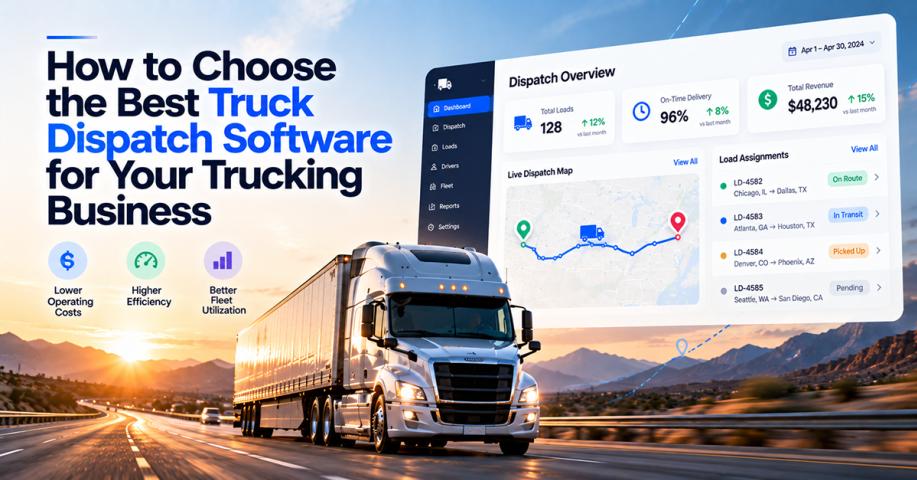
Modern truck dispatch software can centralize these activities. Dispatchers can manage loads, assignments, driver information, and trip statuses from a single interface rather than maintaining multiple manual records.
If your team spends more time updating information than acting on it, that is a strong signal that your dispatch process needs an upgrade.
2. You Struggle to Know Where Your Trucks Are
Real-time visibility is essential when managing a moving fleet.
If dispatchers need to call drivers to find out where trucks are, your business may lack the visibility needed for efficient operations. Delayed location information can make it harder to provide accurate ETAs, respond to delivery delays, or identify which vehicle is best positioned for the next load.
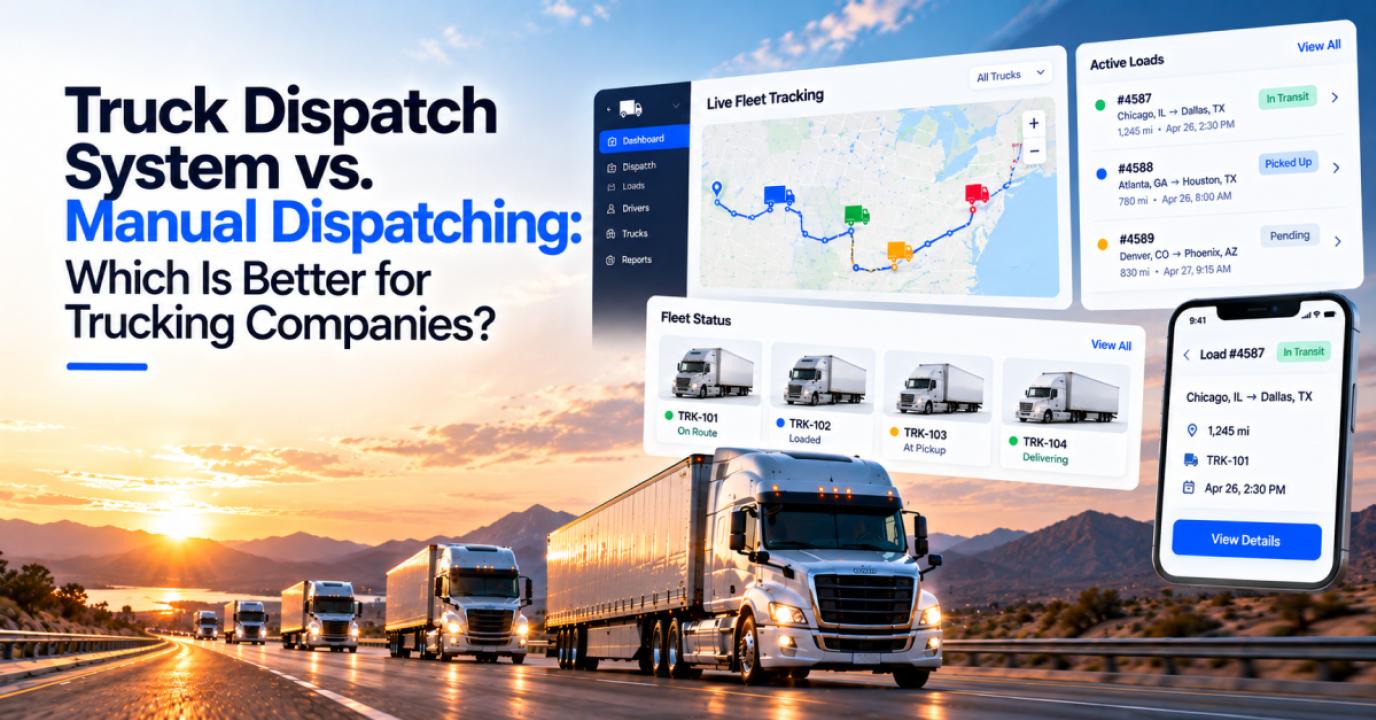
A modern truck dispatch system can connect dispatch operations with GPS and telematics data, giving dispatchers a clearer view of vehicle locations and trip progress.
This information can also support better decisions about load assignments and vehicle utilization.
For fleet operators managing multiple vehicles across different routes, real-time visibility can turn dispatching from a reactive process into a more proactive one.
3. Empty Miles and Poor Vehicle Utilization Are Increasing
Every unnecessary mile can affect your operating costs.
When trucks travel without revenue-generating loads, fuel, driver time, maintenance, and other resources are still being consumed. Poor coordination between available trucks and incoming loads can contribute to unnecessary deadhead miles.
A capable dispatch platform can give dispatchers better visibility into available vehicles, current locations, active assignments, and upcoming loads.
This makes it easier to identify opportunities for more efficient assignments and reduce unnecessary vehicle movement.
Dispatch software for trucking companies can also help teams evaluate operational patterns over time. Instead of simply reacting to empty miles after they happen, fleet managers can use historical data to identify recurring inefficiencies and improve planning.
4. Drivers Are Frequently Waiting for Dispatch Updates
Driver productivity can suffer when communication depends on repeated phone calls and manual instructions.
Drivers may have to wait for load details, pickup information, route changes, appointment updates, or confirmation from dispatchers before proceeding.
These small delays can accumulate across a fleet.
A modern dispatch platform can provide drivers with digital access to assignments, trip details, status updates, and relevant documents. Dispatchers can communicate changes through centralized workflows instead of repeatedly relaying the same information over the phone.
The objective is not to eliminate human communication. It is to ensure that drivers have reliable access to the information they need while dispatchers remain available to handle exceptions and more complex decisions.
5. Your Team Struggles With Shipment Documents
Paper-based documentation can create unnecessary friction after a delivery is completed.
Bills of lading, proof of delivery, signatures, photographs, inspection records, and other documents can become difficult to track when they are exchanged through paper, email, or messaging applications.
A digital dispatch workflow can allow drivers to submit relevant documents electronically and associate them with the appropriate shipment or trip.
This makes it easier for dispatchers and administrative teams to find completed delivery information without searching through multiple channels.
If documentation delays are affecting billing, customer communication, or recordkeeping, it may be time to move toward a more connected trucking management software environment.
6. You Cannot Easily Measure Dispatch and Fleet Performance
You cannot improve what you cannot measure.
Many fleet operators know their total number of loads and trucks but lack detailed visibility into how efficiently those assets are being used.
If management cannot easily answer questions such as these, your existing technology may be limiting operational visibility:
How many miles are being driven empty?
Which vehicles are underutilized?
How often are deliveries delayed?
Which routes create recurring problems?
How quickly are loads being assigned?
How efficiently are drivers being utilized?
Where are the biggest dispatch bottlenecks?
A modern trucking management system can bring operational information together through dashboards and reports.
Instead of relying entirely on manual calculations, fleet operators can use dispatch data to identify trends, compare performance, and make more informed operational decisions.
7. Your Current Dispatch Process Cannot Keep Up With Fleet Growth
One of the clearest signs that you need better technology is when adding more trucks creates disproportionately more administrative work.
A process that works for a small fleet may become inefficient when you add dozens of vehicles, more drivers, additional customers, and increasingly complex routes.
Dispatchers may begin to experience information overload. Managers may need additional staff simply to coordinate tasks that could otherwise be automated or centralized.
This is where scalable truck dispatch management software can make a significant difference.
A well-designed system can provide centralized load management, driver coordination, vehicle tracking, digital documentation, reporting, and integrations as the operation expands.
The goal is not simply to support more trucks. It is to make sure operational complexity does not grow faster than your ability to manage it.
What Should Modern Dispatch Software Include?
If several of these signs sound familiar, the next step is to evaluate what capabilities your operation actually needs.
A modern dispatch solution should ideally provide:
Centralized Load Management: Dispatchers should be able to create, assign, update, and monitor loads from one location.
Real-Time Fleet Tracking: GPS visibility can help teams monitor vehicle locations, trip progress, and delivery status.
Driver Mobile Access: Drivers should be able to receive assignments, update trip statuses, communicate with dispatch, and submit documents through a mobile-friendly workflow.
Route Planning: The platform should support practical route and assignment decisions based on vehicle availability, location, load requirements, and delivery schedules.
Digital Documentation: Electronic proof of delivery and shipment documents can reduce paperwork and make completed trip information easier to access.
Reporting and Analytics: Fleet operators should be able to monitor utilization, delivery performance, empty miles, dispatch activity, and other operational indicators.
Integration Capabilities: Your dispatch platform should work with relevant GPS, ELD, telematics, accounting, fleet, and transportation systems where required.
How Fleet Operators Can Decide If It Is Time to Upgrade
You do not necessarily need to wait until your dispatch process becomes unmanageable.
Look for patterns. If dispatchers repeatedly perform the same manual tasks, drivers frequently wait for information, fleet managers lack real-time visibility, or growth keeps creating administrative bottlenecks, your current process may already be costing more than you realize.
It is also important to evaluate your broader transportation technology environment. A dispatch platform can become more valuable when it works as part of an integrated Transportation & Logistics Solutions ecosystem rather than operating as an isolated application.
Before selecting a platform, document your current workflow and identify where delays, duplicate data entry, communication gaps, and visibility problems occur. Then evaluate potential solutions against those specific challenges.
Benefits of Moving to a Modern Dispatch Platform
Replacing manual processes with connected technology can create improvements across multiple areas of fleet operations.
You can potentially achieve:
Faster load assignment
Better driver communication
Improved vehicle visibility
Reduced administrative work
More efficient fleet utilization
Better shipment tracking
Faster access to documentation
More informed operational decisions
Greater scalability as the fleet grows
The exact benefits will depend on your fleet size, operating model, technology environment, and implementation approach. The most valuable solution is one that addresses your specific operational constraints rather than simply offering the largest number of features.
Conclusion
The need for truck dispatch management software often becomes apparent through everyday operational problems: excessive spreadsheet work, limited truck visibility, increasing empty miles, driver communication delays, documentation challenges, weak reporting, and growing administrative complexity.
For fleet operators, these signs should not simply be viewed as technology problems. They are indicators that existing processes may be limiting productivity and scalability.
Modern truck dispatch software can help connect loads, drivers, vehicles, routes, documents, and operational data within a centralized workflow. By identifying your biggest challenges first and then choosing technology that addresses them directly, you can build a more efficient dispatch operation without adding unnecessary complexity.
As your fleet grows, the right dispatch technology can provide the visibility and control needed to manage that growth more effectively.