Cybersecurity threats continue to evolve as businesses rely increasingly on digital infrastructure, cloud platforms, connected devices, and remote working environments. Every system, application, and endpoint can introduce potential security risks if it is not properly maintained. Identifying these weaknesses before attackers exploit them is essential for protecting sensitive information and maintaining business continuity.
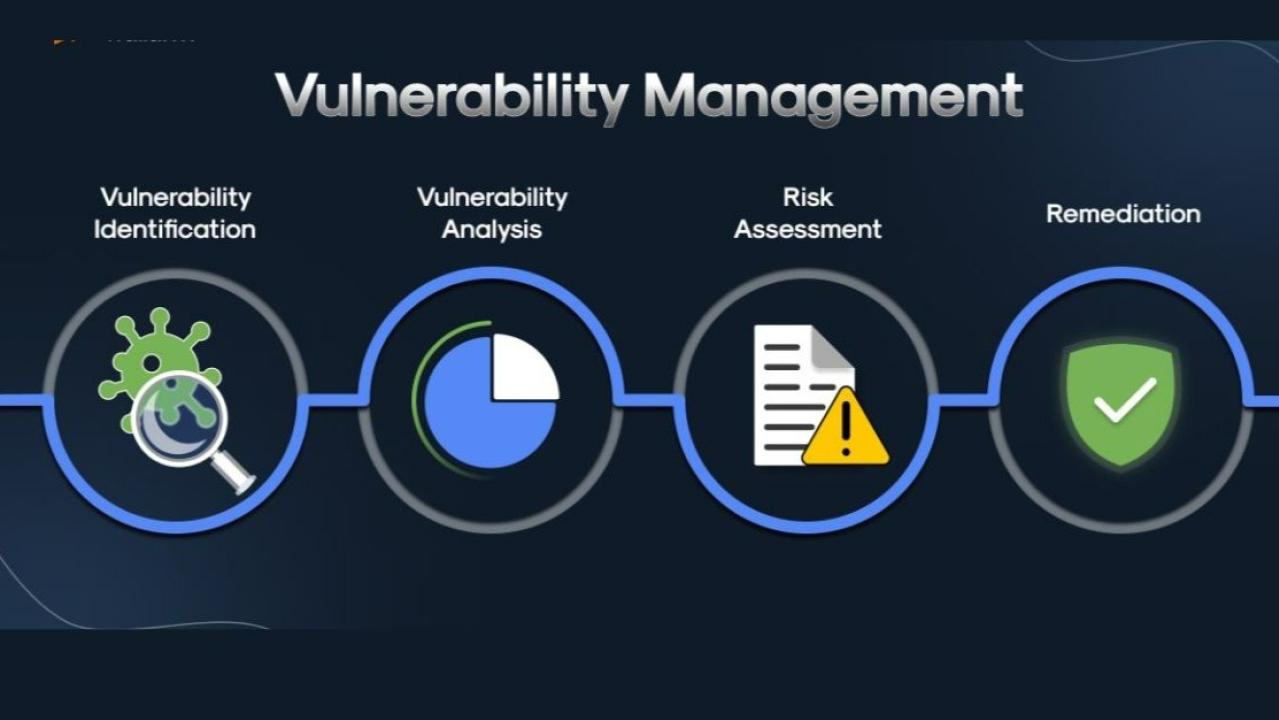
Organizations need a proactive approach to discovering vulnerabilities, evaluating their potential impact, and addressing security gaps. A vulnerability management solution helps security teams systematically identify weaknesses across their IT environments, prioritize remediation efforts, and improve their overall security posture.
Understanding Security Weaknesses in Modern IT Environments
Security weaknesses are flaws or misconfigurations that attackers may exploit to gain unauthorized access, steal information, or disrupt operations. These weaknesses can appear in operating systems, business applications, network devices, cloud environments, and employee endpoints.
Common examples include outdated software, missing security patches, weak access controls, misconfigured systems, and unsupported operating systems. Even a seemingly minor issue can create opportunities for attackers when combined with other vulnerabilities.
Modern IT environments make vulnerability identification more challenging because organizations often manage hundreds or thousands of devices across different locations. Without a structured process, security teams may struggle to maintain visibility into their infrastructure and determine which weaknesses require immediate attention.
1. Improving Visibility Across IT Infrastructure
Identifying security weaknesses begins with understanding what assets an organization owns and manages. Unknown or unmanaged devices can introduce risks because they may operate without the latest updates or appropriate security controls.
Vulnerability management processes help organizations maintain visibility into their IT assets, including workstations, servers, applications, and network-connected devices. This visibility enables administrators to understand which systems are operating, what software they use, and where potential weaknesses may exist.
A centralized view of the IT environment also helps security teams identify devices that have fallen outside established security policies. By improving asset visibility, organizations can reduce blind spots and make more informed security decisions.
2. Detecting Outdated Software and Missing Patches
Outdated software is one of the most common sources of security exposure. Software vendors regularly release updates to address known vulnerabilities, improve performance, and strengthen protection against emerging threats.
However, organizations may delay updates because of compatibility concerns, operational requirements, or limited IT resources. These delays can leave systems exposed to vulnerabilities for longer than necessary.
A vulnerability management solution can help security teams identify systems affected by known vulnerabilities and determine where remediation is required. When integrated with patch management processes, these capabilities can support the timely deployment of relevant security updates.
The growing demand for a vulnerability management solution like Veltar is also driving market adoption by helping organizations identify, prioritize, and remediate security vulnerabilities more effectively.
Regular patch assessment helps businesses reduce exposure to known threats while maintaining better control over their software environments.
3. Prioritizing Vulnerabilities Based on Risk
Not every vulnerability presents the same level of risk. Some weaknesses may have limited impact, while others could expose sensitive information or provide attackers with a pathway into critical systems.
Effective vulnerability management considers several factors when prioritizing security issues. These include vulnerability severity, the importance of the affected asset, potential business impact, exploit availability, and the accessibility of the vulnerable system.
Risk-based prioritization helps security teams focus their resources on the weaknesses that matter most. Rather than treating every finding equally, administrators can address critical exposures first and schedule lower-risk issues according to their operational requirements.
This approach makes remediation more efficient and helps organizations use their cybersecurity resources strategically.
4. Supporting Endpoint Security
Endpoints such as laptops, desktops, and mobile devices are essential to modern business operations. They also represent potential entry points for cyberattacks, particularly when employees work remotely or connect through different networks.
Unpatched operating systems, vulnerable applications, weak configurations, and inconsistent security policies can increase endpoint risk.
Organizations can strengthen endpoint protection by combining vulnerability assessments with device management, security policy enforcement, and patch deployment. These practices help IT teams identify devices that require attention and maintain more consistent security standards across the organization.
Centralized endpoint management can further simplify oversight by providing administrators with information about device status, compliance, and update requirements.
5. Reducing the Risk of Data Breaches
Many security incidents involve weaknesses that could have been discovered or addressed earlier. Although vulnerability management cannot eliminate every cyber risk, it can help organizations reduce their exposure by identifying problems before they lead to serious incidents.
For example, discovering an outdated application on a system containing sensitive customer information allows administrators to assess the risk and take corrective action. Similarly, identifying a misconfigured device can help prevent unauthorized access or unintended data exposure.
Combining vulnerability identification with access controls, endpoint protection, employee awareness, and incident response creates a stronger, more comprehensive security strategy.
6. Establishing Continuous Security Monitoring
Cybersecurity is not a one-time activity. New vulnerabilities emerge, software changes, devices are added, and business requirements evolve. A system that appears secure today may develop new weaknesses tomorrow.
Organizations should therefore establish recurring vulnerability assessments and review their security posture regularly. Continuous or frequent monitoring helps teams discover newly introduced risks and verify whether previously identified issues have been resolved.
Clear reporting and remediation tracking also improve accountability. Security teams can measure progress, identify recurring problems, and communicate important findings to management.
7. Integrating Vulnerability Management Into Security Operations
Vulnerability management works best when it supports broader IT and cybersecurity processes. Security teams should establish clear responsibilities for identifying vulnerabilities, evaluating risks, approving changes, and confirming successful remediation.
Integration with patch management, endpoint detection, asset inventory, and security information systems can improve coordination and reduce manual work. Documented procedures also help ensure that critical vulnerabilities receive timely attention.
Organizations should periodically review their processes to account for changes in infrastructure, compliance requirements, and emerging threats.
Conclusion
Identifying security weaknesses is a fundamental part of protecting modern business environments. Outdated software, misconfigurations, unmanaged endpoints, and insufficient visibility can expose organizations to unnecessary cybersecurity risks.
A structured vulnerability management strategy helps businesses discover these weaknesses, evaluate their potential impact, and prioritize appropriate corrective actions. By combining asset visibility, risk-based prioritization, patch management, endpoint security, and continuous monitoring, organizations can strengthen their defenses and reduce their exposure to known threats.
Ultimately, proactive vulnerability identification enables IT and security teams to make better decisions, use resources more effectively, and build a more resilient cybersecurity environment.