AI and crypto are two of the biggest ideas in technology, and they are now meeting in a new kind of digital asset: the AI crypto token. You may have seen them in headlines, on exchange listings or in startup pitches. But what exactly are they, what do they do, and are they worth the attention?
This guide explains AI crypto tokens in simple words, with real examples, clear benefits and honest risks.
What Is an AI Crypto Token?
An AI crypto token is a digital token linked to an artificial intelligence project, service or network. It lives on a blockchain and usually does a specific job inside that project, such as paying for computing power, rewarding data contributors or giving holders a vote.
Think of it like an arcade token. You cannot use it everywhere, but inside the arcade it buys you games, unlocks features and rewards the people who keep the machines running. In an AI project, the "games" are things like model training, data access or processing power.
Not every token with "AI" in its name is useful. The real ones have a clear role in how the product works.
How Do AI Crypto Tokens Work?
Most follow this simple pattern:
- A network of contributors offers something valuable, such as computing power, data or AI models.
- Users pay for those services using the project's token.
- Contributors earn tokens as rewards for useful work.
- Smart contracts handle payments, rules and rewards automatically, without a middleman.
Because the rules run on a blockchain, anyone can see how payments and rewards are handled. That transparency is a big part of the appeal.
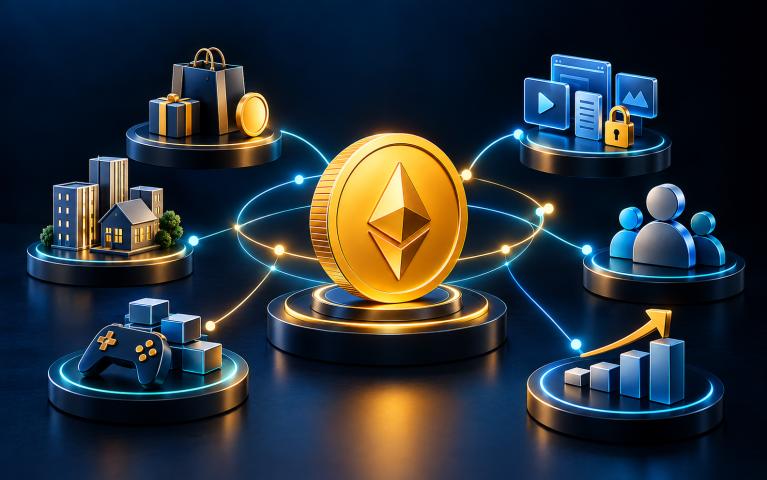
Popular Use Cases
1. Decentralised Computing Power
Training and running AI needs huge amounts of processing power, mainly from GPUs. Some projects create marketplaces where people with spare computing capacity rent it out, and users pay with tokens. Networks such as Render and Akash are well-known examples of this idea.
2. Data Marketplaces
AI needs data. Token-based marketplaces let people and companies share or sell data while keeping control over how it is used. Contributors are paid, and buyers get access to useful information.
3. Decentralised AI Networks
Some networks reward people for contributing machine learning models and useful outputs, with tokens paying the best contributors. Bittensor is a well-known example of this approach.
4. AI Agents and Autonomous Services
AI agents can hold wallets, pay for services and earn income. Tokens give these agents a simple way to transact with each other and with users, often through stablecoins and platform tokens.
Example: A research agent pays a small token fee to a data provider, receives a dataset, then pays another agent to analyse it. Every step is settled automatically on a blockchain.
5. Governance of AI Projects
Token holders can vote on how a project develops, such as which features to build, how to spend funds or what rules to follow. This shares decision-making among the community.
6. Access and Subscriptions
A token can work like a pass. Holding or spending it unlocks premium tools, higher usage limits or early access to new AI features.
The Benefits
- Open access: anyone can contribute resources or use services, not just big companies
- Fair rewards: contributors are paid automatically for useful work
- Transparency: rules and payments are visible on the blockchain
- Lower costs: shared computing and open markets can reduce prices
- Global payments: tokens move across borders quickly, 24 hours a day
- Community ownership: users can have a real voice in how a project grows
The Risks
This is the part many guides skip, so read it carefully.
Hype Over Substance
Many tokens use the "AI" label to attract attention without offering real technology. This is sometimes called AI-washing. Always ask: what does the token actually do, and could the product work without it?
High Volatility
Prices of AI tokens can rise and fall sharply. Excitement, news and market mood can move them far more than real usage does.
Unclear Utility
If the token is not truly needed to use the service, its value may rest on speculation alone.
Smart Contract Weaknesses
Bugs in contracts can cause losses. Projects should publish independent security audits and follow sound security practices.
Centralisation
Some "decentralised" projects are still controlled by a small team or hold most of the tokens. That can lead to unfair decisions or sudden changes.
Regulation
Rules for tokens are changing in many countries. A token may be treated as a security or face other restrictions depending on how it is designed and sold.
Data Quality and Technical Limits
Decentralised AI is still early. Performance, reliability and privacy can fall short of centralised options.
This article is for general information and is not financial or legal advice. Always do your own research and consult a qualified professional before making decisions.
How to Evaluate an AI Crypto Token
- Is there a real product that people already use?
- Does the token have a clear job inside it?
- Who holds the tokens? Check how supply is distributed and whether team tokens are locked.
- Has the code been audited by an independent firm?
- Is the team transparent and active?
- What do regulators say about this type of token in your region?
Building Your Own AI Token the Right Way
If you are a founder with an AI idea, a token can help you reward users, pay for services and build a community. But it must be designed carefully: sensible tokenomics, secure smart contracts, clear utility and attention to the rules.
A reliable crypto token development company can guide you through planning, building, testing and launching. Complete crypto token development services cover token design, smart contracts, audits and deployment. If you are exploring this space, professional crypto token development services can help you build a token with a real purpose and security from the start.
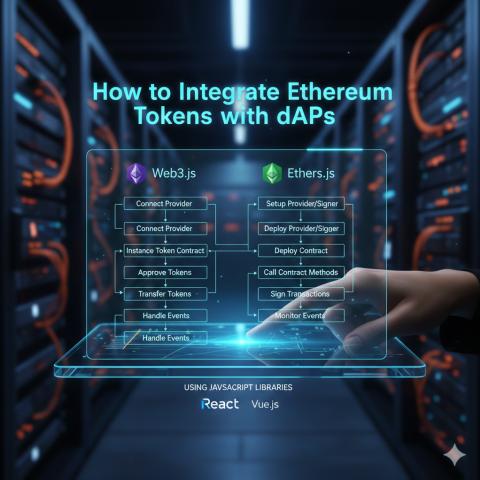
Most AI tokens follow the ERC-20 standard, so an experienced ERC20 token development company can deliver clean, compatible contracts. If you plan to build on Ethereum or its Layer 2 networks, an Ethereum token development company understands the standards and best practices. When comparing any token development company, ask about audits, past projects and post-launch support. Good token development services and careful token development give your project a strong base.
Conclusion
AI crypto tokens combine two powerful ideas: open blockchain payments and intelligent software. Used well, they can power shared computing, data markets, AI agents and community-run projects. Used badly, they become hype with nothing underneath.
The key is to look past the label. Check the real use case, the token's role, the security and the rules that apply to you. If you are building your own, start with a clear purpose and work with an experienced crypto token development company that values security, transparency and long-term support.