Automated blinds change how a home feels day to day. They open on a schedule, reach windows you can no longer stretch to and keep a row of windows moving together. Before any of that works, though, the blinds need power, and that choice affects planning, upkeep and cost of ownership.
Battery-powered automated blinds and wired systems can both do the job. The better fit depends on how many windows you plan to automate and how you want to control them. This guide offers a use-case approach and lists the questions to ask before you order.
Start with how you will use automation
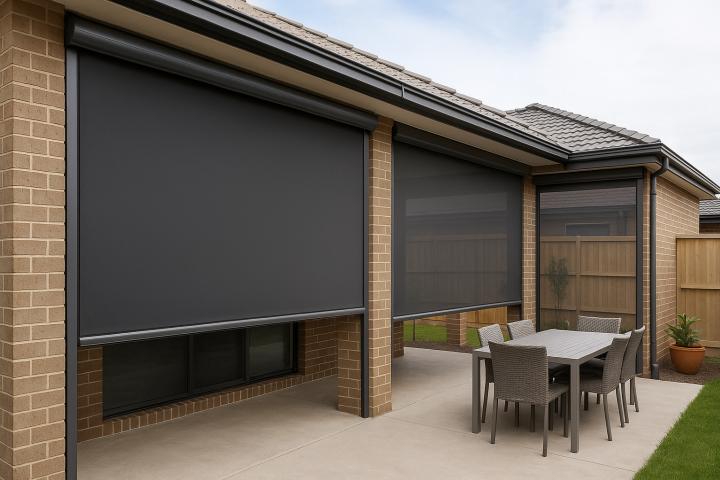
Automated blinds are blinds with a powered system that lets them be operated by remote, wall control, app or other controls, depending on the product. The motor is the same idea in every case. What differs is where the energy comes from and what that means for you.
Think about the way you would live with them. A single bedroom window used every morning asks very different things from a whole floor of windows run together. Start there, and the power choice becomes much easier.
Battery-powered automated blinds: how they behave
These units carry their own power source, so they do not need a cable run to the window. That keeps installation simpler in a home where walls are finished. It also lets you automate one or two windows without redoing the electrical plan.
The trade-off is attention over time. Batteries need to be recharged or replaced at some point, and how often depends on the product and how often the blind moves. A group of ten battery units means ten sets of upkeep. Ask how the batteries are charged or changed, and how you will know when one needs help.
Hardwired automated blinds: how they behave
These systems draw power from the home's electrical supply, so there is no battery to track. Once planned and installed, they ask very little of you. They also suit setups where many windows are controlled together.
The trade-off is planning. Power has to reach each window, which can involve an electrician and early decisions about where wiring and controls go. Confirm wiring requirements, and any permit or code needs, with a licensed electrician and your local authority. Do not assume every window is easy to wire.
Choosing by use case
The table below pairs common ways of using automated blinds with the factors to weigh. These are general tendencies, and the details depend on the product.
How you will use them | What matters most | Idea to discuss |
One or two windows | Low disruption | Battery option, with a plan for charging or replacement |
A few key rooms | Balance of effort and upkeep | Mix of battery and wired windows |
A whole floor or home | Consistent control, low upkeep | Wired plan, with grouped controls if offered |
Hard-to-reach windows | Easy access and easy maintenance | Ask where the battery sits and how it is reached |
Schedules and groups | Control options | Ask which controls the product supports |
Picture a Maryland home where the owner wants only the bedroom and a high stair window automated. Automated blinds in Maryland homes like that often start small, and a battery option can avoid opening walls. If the same owner later wants the whole house, a wired plan becomes worth discussing.
Control choices deserve the same attention as the power source. Some homes rely on a handheld remote, others on a wall control, and others on an app or a schedule. Ask which options each product supports, what each one needs to work, and whether several windows can move together. Confirm every detail in writing.
Custom motorized blinds and safety
These blinds are made to fit each window, which helps them sit cleanly and run smoothly. Motorization is also one way to avoid operating cords, which matters in family homes. Federal data shows why cords are a concern.
From January 2009 through December 2021, the U.S. Consumer Product Safety Commission counted 209 incidents involving window covering cords and children aged eight and younger, and 100 of them were fatal. Figures for 2020 and 2021 may be incomplete. U.S. Consumer Product Safety Commission, final rule on custom window coverings, 2022
CPSC's standard for custom window coverings covers products made after May 30, 2023. They must be cordless, have inaccessible cords, or keep operating cords to 8 inches or shorter. Ask your supplier to confirm this for the exact blind and control you choose.
Questions to ask before you order
Use this checklist when you compare battery-powered automated blinds with wired plans. It keeps every quote on equal terms.
Power: how each product is powered, with the manufacturer's written specifications.
Batteries: how they are charged or replaced, where they sit and how you will know when to act.
Wiring: what each window needs, and who handles it.
Controls: which remotes, wall controls or apps are offered, and whether windows can be grouped.
Fit: professional measuring and installation for each window.
Timing: lead times and availability, confirmed in writing.
Frequently asked questions
Q: What are automated blinds?
Automated blinds are blinds with a powered system that raises, lowers or tilts them through remote, wall control, app or other controls. Options vary by product, so ask for the manufacturer's specifications.
Q: When do battery-powered automated blinds make sense?
They suit homes with finished walls and a few windows to automate, because no wiring has to reach the window. The trade-off is charging or replacing batteries. Ask how that works for the exact product.
Q: Is a wired plan better for a whole house?
Many homeowners consider it when they want to automate many windows, since there are no batteries to track. It needs planning, though, and power must reach each window. Confirm requirements with a licensed electrician.
Q: Can I use both types in one home?
Many homes do. A wired plan can cover main areas, while battery units serve hard-to-wire windows. Ask your supplier whether the controls work together.
Q: Do automated blinds need professional measuring and installation?
Fit matters, and the power source adds planning. Professional measuring and installation help ensure a clean fit and smooth operation. Ask your supplier what the service includes.
Choosing the plan that fits
Count the windows you want to automate, decide how you want to control them, and then match the power source to that plan. Written specifications and a short list of questions keep every quote on equal footing.
BAMU Blinds is a custom window-treatment company serving residential and commercial clients across Washington, DC, Maryland, and Virginia. Its team handles consultation, professional measuring and installation, and can guide you through automated blinds and other made-to-measure window coverings.