Explore CtrlS's Remote IT Infrastructure Management Services for seamless control and optimization of your IT infrastructure. Our expert team ensures reliable, secure, and efficient management, allowing you to focus on your core business activities. Discover tailored solutions for remote server monitoring, network management, and more at CtrlS.
Comprehensive Remote IT Infrastructure Management Services | CtrlS


Written by
PromoteProject
Related articles:
Understanding Data Centers: The Backbone of the Digital World
Every click, search, message, and streamed video relies on an invisible infrastructure that keeps the internet operational. At the core of this digital ecosystem are data centers—specialized facilities that store,..
Key Technologies Covered in CCIE Data Center

The CCIE Data Center certification is one of the most respected and advanced certifications in the networking world. It is designed for professionals who want to become experts in data..
Top Reasons to Pursue CCIE Data Center Certification

In today’s digital world, data centers are the backbone of almost every industry. Whether it’s banking, healthcare, retail, or social media—everything runs on powerful networks and secure data storage. As..
Understanding Routing and Switching in Enterprise Network Design

Modern enterprise networks form the foundation of business communication, cloud connectivity, data sharing, and digital operations. As organizations continue adopting advanced technologies and distributed work environments, enterprise network infrastructures have..
Role of Automation in Modern Enterprise Networking

Enterprise networks are becoming increasingly complex as organizations expand their digital operations, adopt cloud technologies, and support remote work environments. Managing these large-scale infrastructures manually can create operational inefficiencies, configuration..
Core Technologies Used in Enterprise Network Infrastructure Design

Enterprise networks have become the backbone of modern business operations, supporting communication, cloud applications, remote access, security, and data transfer across distributed environments. As organizations continue adopting digital transformation strategies,..
Network Access Control Best Practices
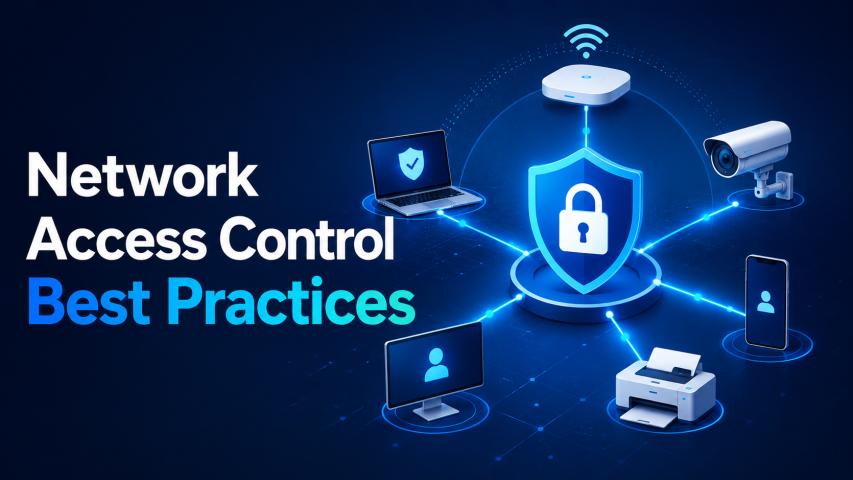
Network Access Control (NAC) has become a fundamental component of modern enterprise cybersecurity strategies. As organizations expand their digital infrastructure across cloud, remote, and hybrid environments, controlling who and what..
Monitoring & Logging Tools to Improve IT Infrastructure
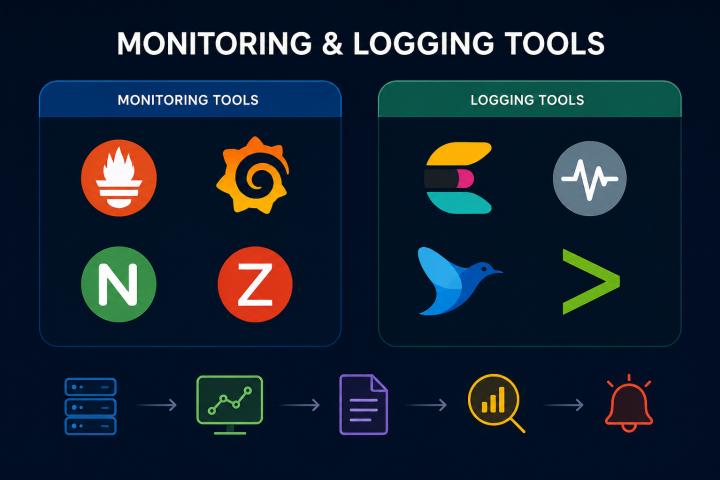
Modern businesses depend heavily on stable, secure, and high-performing IT systems. Whether it is a startup running a simple web application or a large enterprise managing cloud infrastructure across multiple..
How a Vulnerability Management Solution Helps Identify Security Weaknesses
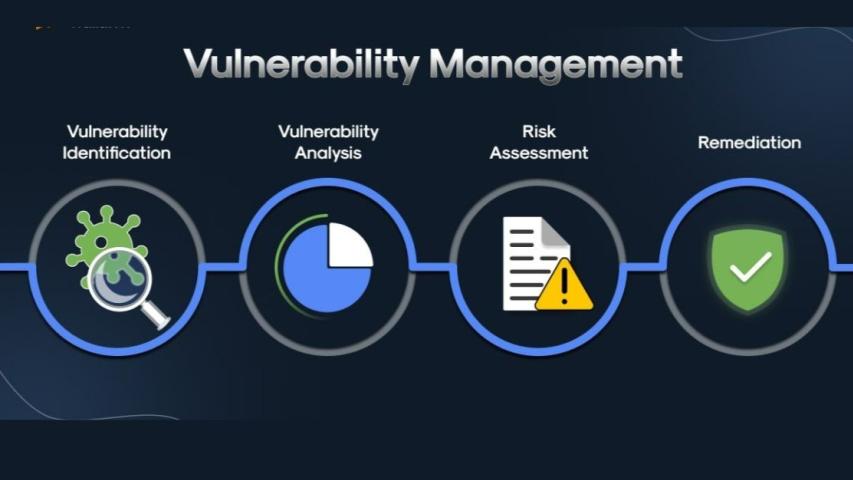
Cybersecurity threats continue to evolve as businesses rely increasingly on digital infrastructure, cloud platforms, connected devices, and remote working environments. Every system, application, and endpoint can introduce potential security risks..
Digital Documentation and SMSF Management: How Technology Is Simplifying Compliance

Running a self-managed super fund sounds appealing for a reason: it gives trustees greater control over how their retirement savings are managed. The catch? That control comes with a fair..
10 Essential Leadership Skills Every New Manager Should Develop
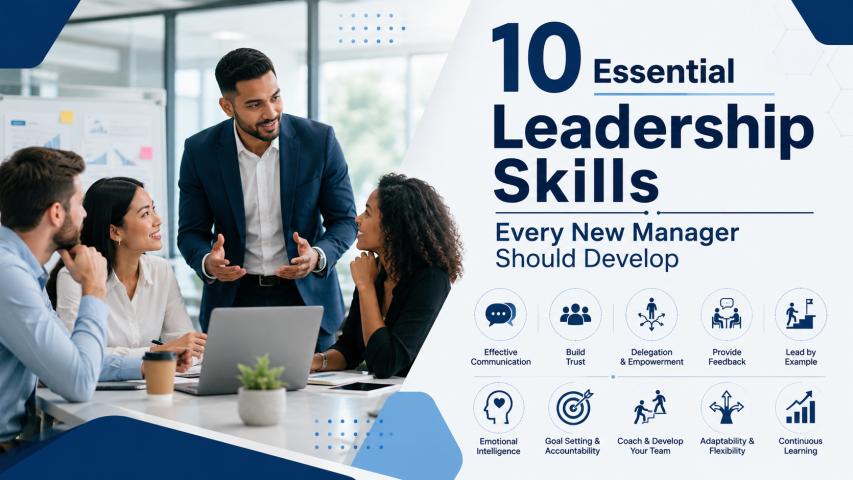
Stepping into a management role is an exciting milestone, but it also comes with new responsibilities. Many professionals are promoted because they excel in their current jobs, yet managing people..
A Business Guide to Compliance Management Software Development

Regulatory compliance has become a business
priority rather than just a legal requirement. Organizations today operate
under an increasing number of industry regulations, data privacy laws,
cybersecurity standards, and internal..
AI for Inventory Management: Bridging Supply Chain Intelligence and Customer Demand

IntroductionFor years, businesses have treated inventory management and customer relationship management as two separate functions. One team focused on stock levels, warehouse operations, and procurement, while another concentrated on customer..