Mathematics might seem challenging for young children, but the magic of colors can turn numbers into an exciting adventure. By combining colors with math, parents and educators can transform preschool activities into fun, memorable, and educational experiences. This blog explores how using colors can enhance preschool math learning and why this approach is effective.
1. Why Colors and Math Make the Perfect Match
Colors stimulate a child’s mind, making it easier to absorb information. When paired with math activities for preschoolers, they create a dynamic learning experience that encourages engagement and retention.
Firstly, colors grab attention. Preschoolers are naturally drawn to bright, vibrant objects. When math concepts like counting, sorting, or pattern recognition are taught with colorful visuals or materials, children stay interested for longer. This attention span is crucial in building early math skills.
Secondly, colors simplify abstract concepts. For young children, numbers and symbols can feel confusing. Adding colors to these concepts gives them a visual anchor. For instance, associating the number “3” with three red blocks helps children link the number to a tangible, colorful object.
Lastly, using colors in math encourages creativity. At a young age, children thrive when they’re allowed to explore and imagine. Math becomes less intimidating and more of an enjoyable activity when paired with artistic expression, like coloring patterns or building colorful structures.
2. Color Sorting: A Simple Way to Teach Numbers
Sorting colors is one of the easiest and most effective preschool activities for introducing numbers and patterns. With just a few materials, children can engage in math while having fun.
For example, provide a set of colorful pom-poms, buttons, or beads and ask children to sort them by color. Once sorted, the activity can expand into counting how many items are in each group. This integrates basic math concepts like categorization and numerical understanding.
Another great idea is to use colored bins or bowls. Ask children to drop specific colored items into matching containers. Over time, you can add more layers to this activity, such as comparing the quantities in each bin or arranging them in ascending order.
Color sorting also strengthens fine motor skills. Picking up small items and placing them in designated areas helps develop hand-eye coordination, preparing children for more advanced math activities and writing tasks.
3. Counting with Colors: Making Numbers Come Alive
Counting is the foundation of math, and adding colors makes it a playful learning experience. A math learning center can use colorful tools like number charts, counters, or flashcards to make counting visually stimulating.
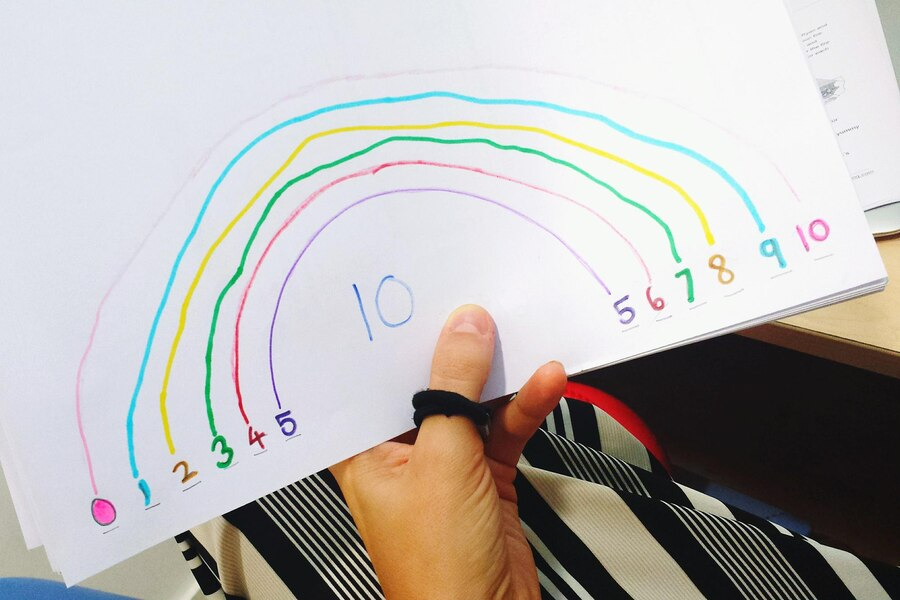
One engaging activity is rainbow counting. Create a chart with rows of colorful objects, such as crayons, blocks, or stickers. Children count the items in each row, associating the numbers with the corresponding color. This builds their counting skills and improves their memory through repetition.
Another fun idea is to use colorful toys like LEGO bricks. Ask children to build towers with a specific number of bricks for each color. For instance, a red tower with three blocks and a blue tower with five blocks. This helps them practice counting while also understanding numerical differences.
4. Pattern Play: Unlocking Early Math Skills
Patterns are an essential part of math, and introducing them with colors makes learning intuitive and fun. Preschoolers can easily grasp the concept of sequences when they’re colorful and visual.
Start with simple patterns, such as arranging colored beads in a sequence like red-blue-red-blue. Encourage children to identify and continue the pattern. As they become more confident, introduce more complex patterns, like red-red-blue-yellow.
Incorporating patterns into art projects can make this activity even more engaging. For example, children can create colorful necklaces with repeating bead patterns or design patterns with crayons and paper. These exercises not only build math skills but also foster creativity.
5. The Role of Color in Shape Recognition
Shapes are a key component of math education for preschoolers, and colors make learning about shapes more exciting. When children see colorful triangles, squares, and circles, they’re more likely to remember and recognize them.
One great activity is a shape scavenger hunt. Create colorful paper cutouts of shapes and hide them around the room. Ask children to find them and name the shapes and their colors. This blends physical activity with cognitive learning, keeping kids active and engaged.
Another idea is to use puzzles with colorful shapes. Encourage children to match shapes by color or create designs using geometric pieces. Over time, they’ll not only recognize shapes but also understand how they fit together.
6. Integrating Colors into Everyday Math Activities
The beauty of using colors in math is that it can be applied in countless ways, both in and out of the classroom. A math learning center can design colorful games and tools to keep children engaged, while parents can find creative ways to include colors in daily routines.
For example, during snack time, children can sort colorful fruits or candies by color and count how many of each they have. During playtime, they can use colorful building blocks to create structures and compare sizes or quantities.
Another effective method is to use coloring books with numbers. Ask children to color specific sections based on numerical instructions, such as coloring all sections marked with “2” in green. This reinforces their number recognition while keeping the activity enjoyable.
Conclusion:
At i-Maths Canada, we believe learning should be an adventure filled with creativity, exploration, and discovery. As a leading early learning center, we specialize in designing innovative preschool activities that combine fun and education. Our programs are carefully crafted to introduce young learners to essential concepts like counting, sorting, and patterns through engaging and colorful math activities for preschoolers.
Let us help your child build a strong foundation in math and develop a lifelong love for learning. Join i-Maths Canada today and see the difference our unique approach can make!
For more information, visit our website or enroll today to give your child the gift of colorful, joyful learning today!
Colorful Counting: How Using Colors Can Improve Preschool Math Learning



Written by
imathscanada2020
669 days ago
Related articles:
Effective Ways to Connect With Parents Online
Parents today have more choices when selecting an early education center for their children. Instead of relying only on recommendations, many families use the internet to research schools, compare their..
Building a Strong Online Presence for Your Preschool
For many parents, finding the right preschool starts with a search on the internet. Before scheduling a school visit, they often explore websites, social media pages, online reviews, photographs, and..
Smart Ways to Increase Preschool Admissions Online
The preschool industry has become increasingly competitive. With several options available in almost every city, parents now spend considerable time researching schools before making an admission decision. They search online,..
Why Teacher-to-Child Ratio Matters More Than You Think (And What to Ask Before Enrolling)
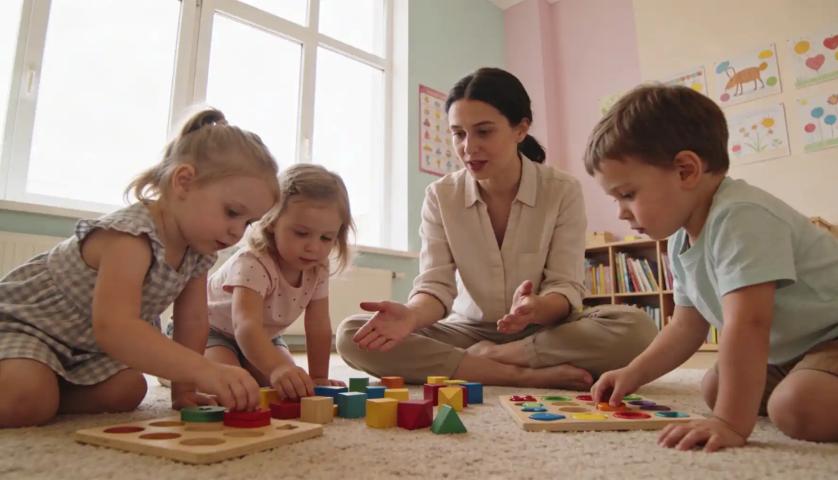
The number hiding in plain sight that changes everything about your child’s daycare experienceWhen parents start looking for daycare or preschool, the conversation usually goes straight to location, price, and..
10 Screen-Free Math Activities For Toddlers' Early Learning
Explore 10 screen-free math activities for toddlers that strengthen early learning, focus, and confidence without screens or apps.
How Early Math Builds Cognitive & Problem-Solving Skills
Learn how early math supports cognitive development, improves problem-solving, and prepares children for real-world thinking beyond the classroom.
How Brain Develops Between Ages 3–6: What Parents Must Know
Explore the science behind preschool brain development, cognitive growth, and critical milestones between ages 3–6.
5 Signs of Cognitive Challenges & Activities That Help
Noticing focus, memory, or learning challenges in your preschooler? Discover 5 signs of cognitive struggles and simple ways to support them.
Why Parent Involvement in Early Childhood Education Matters?
Explore the science behind parental engagement and its impact on early childhood education success. Learn about simple home learning activities that can help.
How Hands-On Math Learning Improves Retention in Children
Math sticks when children do, not memorize. Explore the science and benefits of tactile, hands-on math learning and learn how it builds confident thinkers.
10 Screen-Free Math Activities For Toddlers' Early Learning
Explore 10 screen-free math activities for toddlers that strengthen early learning, focus, and confidence without screens or apps.
How Early Math Builds Cognitive & Problem-Solving Skills
Learn how early math supports cognitive development, improves problem-solving, and prepares children for real-world thinking beyond the classroom.
How Brain Develops Between Ages 3–6: What Parents Must Know
Explore the science behind preschool brain development, cognitive growth, and critical milestones between ages 3–6.
5 Signs of Cognitive Challenges & Activities That Help
Noticing focus, memory, or learning challenges in your preschooler? Discover 5 signs of cognitive struggles and simple ways to support them.
Why Parent Involvement in Early Childhood Education Matters?
Explore the science behind parental engagement and its impact on early childhood education success. Learn about simple home learning activities that can help.
How Hands-On Math Learning Improves Retention in Children
Math sticks when children do, not memorize. Explore the science and benefits of tactile, hands-on math learning and learn how it builds confident thinkers.
Early Childhood Brain Development During the First 5 Years
Learn how brain development in the first five years impacts cognitive growth, preschool learning, and long-term academic success.
Simple Counting Activities For Preschool Brain Development
Discover how simple counting activities for preschoolers improve cognitive skills, focus, and early math confidence through fun, play-based learning.