
Implementing effective web caching strategies is the most traditional web optimization technique to reduce network latency and supercharge a website’s PageSpeed performance. But what is this web caching, and how can it speed up a website’s page loading time?
A web cache stores the website’s static resource files temporarily and improves the page loading time. Here, we will discuss every detail of web caching, which includes what it is, how it works, and the importance of using web caching on a website. Finally, we will explore different types of effective caching strategies.
What Is Web Caching, And How Does It Work?
Web caching is one of the most effective web optimization techniques for storing the website’s static files like HTML, CSS, JavaScript, and media files (images, video, and audio) temporarily.
Let’s understand the web caching mechanism with an example. At this time, your server receives an HTTP request from the user's browser and sends content accordingly. This can increase the page loading time.
Understanding Different Type Of web Cache
Different types of web caching can be possible in a website to improve the PageSpeed performance. Here, we will mainly focus on the most used caching mechanisms in a website.
Browser caching or client-side caching
The page content would be directly retrieved from the browser cache instead of the origin server. This browser caching is also known as client-side cache.
For example, you visit a website, and your browser loads and stores the website’s content. The second time you revisit the website, the content will be directly fetched from the browser cache, improving the page rendering time.
CDN Caching Or Server Side Caching
A longer distance between the user and the server can also be responsible for high network latency. Using a Content Delivery Network (CDN) can improve the network latency by distributing the website’s static file among the proxy servers (also known as edge servers).
The static resource files will be stored in the nearest proxy cache. The next time those cached files will be fetched from the nearest proxy/ edge server.
Database caching
Database caching is one of the caching mechanisms for storing frequently accessed data in temporary storage. This type of database caching is volatile, which indicates if the system shuts down, the data can be lost.
Speed Up The Website’s Page Loading Time
Usually, the website’s content is fetched from the origin server, which may increase the page loading time, especially when the physical distance is high between the user and server or the traffic is huge on the server.
However, using a caching mechanism mitigates this problem by storing the website’s static content locally, speeding up the website’s page loading time.
Enhance The User Experience
When users visit your website for the first time, PageSpeed is responsible for making or destroying the first impression. Taking a longer time to display the website’s content may lead the user to leave the website and go to the competitor’s website, which decreases the website’s average on-page time as well as increases the bounce rate.
Improve The Website’s Ranking In Search Engine Result Pages (Serps)
Among the 200+ ranking factors, PageSpeed and Core Web Vitals are also considerable as Google’s ranking factors.
Explaining Some Effective Caching Strategies
Adding an efficient caching mechanism is essential for maximizing the benefits of a web caching mechanism. Let’s concentrate on the most common caching strategies, which include:
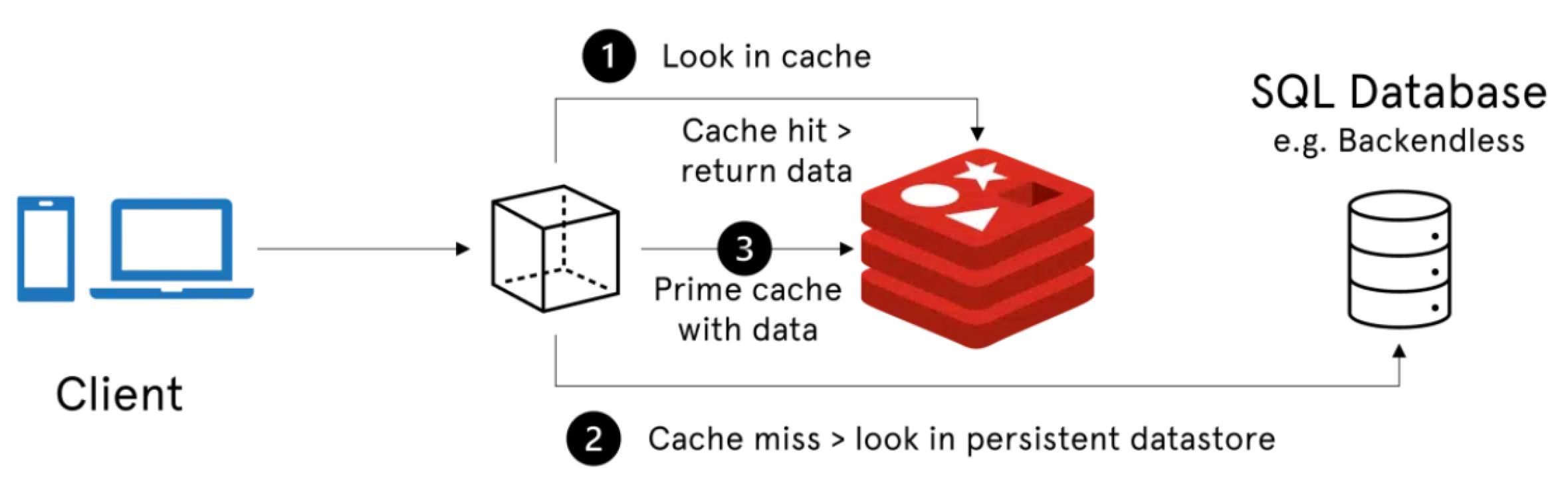
Cache-aside
Read Through
Write Through
Let’s discuss the effective caching strategies.
Cache Aside
Cache aside is one of the most common cache strategies. Otherwise, the requested content will be fetched from the direct origin server and stored in the cache. This is known as a cache miss.
Write Through
This write cache strategy is especially popular for security purposes. In this caching strategy, when the data is updated, first, it will update on cache memory, and then it will update on the original database.
Conclusion
If you are aiming for a good PageSpeed performance, implementing a web caching mechanism is essential. Several caching plugins like RabbitLoader, W3 Total Cache, WP Rocket and others are available in the WordPress eco-system to do this.