
Traveling with JetBlue can be an enjoyable experience, thanks to the airline's comfortable seating, excellent customer service, and competitive fares. However, one aspect of flying that often catches passengers off guard is baggage fees. Whether you’re flying domestically or internationally, understanding JetBlue’s carry-on and checked baggage allowances is crucial to avoid extra charges and ensure a hassle-free journey.
In this blog, we’ll break down JetBlue baggage policy for carry-ons and checked luggage, explain how you can avoid additional fees, and offer tips to make your packing process smoother.
1. JetBlue Carry-On Baggage Allowance
JetBlue offers a free carry-on bag for every passenger, which is one of the perks of flying with this airline. Unlike some low-cost carriers that charge fees for carry-on luggage, JetBlue allows you to bring one bag into the cabin without any additional charges.
Carry-On Bag Guidelines
To avoid paying for an oversized carry-on, ensure that your bag adheres to JetBlue’s specific size requirements:
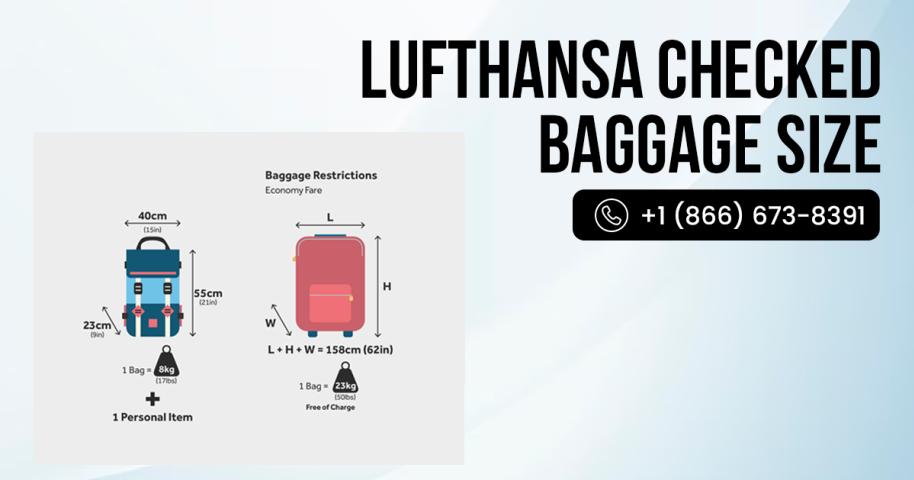
- Dimensions: The carry-on bag should not exceed 22 x 14 x 9 inches (56 x 35 x 23 cm), including handles and wheels. This size limit ensures that your bag will fit in the overhead bin.
- Weight: JetBlue does not have a strict weight limit for carry-on bags, but your bag must be light enough for you to lift into the overhead bin without assistance. If your carry-on is too heavy or bulky, you may be asked to check it at the gate, resulting in additional fees.
Personal Item
In addition to your carry-on, JetBlue allows you to bring one personal item free of charge. A personal item can be a small bag such as a backpack, purse, laptop bag, or briefcase. The personal item must fit under the seat in front of you.
- Dimensions: Your personal item should not exceed 17 x 13 x 8 inches (43 x 33 x 20 cm). Make sure it’s small enough to fit under the seat to avoid any issues at the gate.
2. JetBlue Checked Baggage Allowance
While carry-on bags are free, checked luggage comes with additional fees. JetBlue offers relatively competitive rates for checked baggage compared to other major airlines, but the fees depend on the fare type you’ve chosen.
Checked Baggage Fees by Fare Type
- Blue Basic: If you book a Blue Basic fare (JetBlue’s most affordable option), you will need to pay for your checked luggage. The first checked bag will cost $35, and the second checked bag will cost $45.
- Blue, Blue Plus, and Blue Extra: Passengers flying on these fare types are entitled to one free checked bag. If you need to check a second bag, you will be charged $45.
- Mint: For those flying in JetBlue’s premium Mint class, the baggage policy is more generous. You can check two free bags, in addition to your carry-on and personal item.
Weight and Size Restrictions for Checked Baggage
It’s important to know the size and weight limits for checked bags to avoid any surprise charges:
- Weight: Checked bags must not exceed 50 pounds (22.6 kg) each. If your bag exceeds this weight, you will incur an overweight baggage fee of $150 per bag.
- Dimensions: The total size (length + width + height) of your checked bag cannot exceed 62 inches (157 cm). Bags that are larger than this will be subject to an oversized baggage fee of $150.
3. How to Avoid Extra Charges for Checked Baggage
Now that you know the checked baggage fees, here are some tips to avoid extra charges when you check your bags with JetBlue:
1. Pack Light
The simplest way to avoid excess baggage fees is to pack light. Aim to keep your checked bag under 50 pounds and make sure it’s within the 62-inch size limit. You can also avoid paying for additional checked bags by consolidating your belongings into one bag. By packing efficiently, you’ll also have more room in your carry-on for last-minute essentials.
2. Pre-Purchase Checked Bags
JetBlue allows you to pre-purchase your checked bags online when you book your flight or manage your booking. By purchasing baggage in advance, you can often save money compared to paying for bags at the airport. This can be especially helpful if you’re flying with multiple checked bags.
3. Take Advantage of Free Allowances
Remember, JetBlue allows one free carry-on and one free personal item. If you can pack your essentials into your carry-on and personal item, you can save money by avoiding the need to check in any luggage at all. Additionally, using your personal item wisely can help you pack more efficiently.
4. Upgrade to a Higher Fare
If you plan to check multiple bags, it may be worth upgrading to a fare that includes free checked baggage, such as Blue Plus or Mint. These fares come with one or more free checked bags, saving you money on additional luggage fees.
5. Check Your Bag Weight and Size
Before you head to the airport, measure the weight and dimensions of your bag. Make sure your checked bag is under 50 pounds and within the 62-inch size limit. This simple step can help you avoid overweight and oversized baggage fees.
4. JetBlue Baggage Fees for Special Items
If you’re traveling with special items like sports equipment, musical instruments, or pets, be aware that JetBlue has specific fees for these items.
Sports Equipment
JetBlue charges fees for various types of sports equipment:
- Golf Clubs: $50 each way.
- Skis and Snowboards: $50 each way.
- Bikes: $75 each way.
Make sure to pack your sports equipment properly, especially items like bikes, to ensure they don’t get damaged during transit.
Musical Instruments
JetBlue allows musical instruments like guitars or violins to be carried on if they fit within the carry-on size limits. If your instrument is too large, you may need to check it in as part of your luggage.
Pets
For those traveling with pets, JetBlue allows small pets to travel in the cabin for a fee of $125 each way. Pets must be in an approved carrier, and the combined weight of the pet and carrier cannot exceed 15 pounds (7 kg).
5. JetBlue’s Baggage Fees for International Flights
If you're flying internationally, JetBlue's baggage policy is largely the same, but there may be a few variations depending on the route. You should also be aware that certain international routes may have slightly different baggage allowances, including higher weight limits for checked luggage. Always check your specific route to ensure you're within the limits.
6. Final Tips for Avoiding Extra Charges
- Use JetBlue’s Bag Check Calculator: JetBlue offers an online baggage calculator to help you understand baggage fees based on your fare and route. This tool can help you plan ahead and avoid surprises.
- Consolidate Your Belongings: Rather than checking multiple bags, try to consolidate your items into one bag. This not only saves you money but also makes your travel experience more efficient.
- Don’t Overpack: Avoid overpacking your carry-on or personal item. Make sure your bag is within the size and weight limits to avoid the risk of having to check it in.
Final Thoughts: Packing Smart with JetBlue
JetBlue’s baggage policy is fairly straightforward, but it’s important to stay within their allowances to avoid extra charges. By packing smart, pre-purchasing checked baggage, and making use of the free carry-on and personal item, you can save money and enjoy a hassle-free trip. Whether you’re flying domestically or internationally, JetBlue’s baggage fees are relatively reasonable when you understand the rules and plan ahead.
By following these tips and being aware of the baggage allowances, you’ll be able to travel with ease and avoid paying unnecessary fees. Safe travels!