Customers value speed, convenience, and efficiency when shopping for groceries. As retail businesses adapt to evolving customer demands, self-checkout systems in grocery stores have emerged as a powerful solution for improving the shopping experience. This has fundamentally changed how customers engage in stores by combining mobile technology with the self-checkout process. It has made jobs easy for store owners and their customers and giving them a completely different experience.
Mobile integration is not a passing trend but a strategic move for every grocery business to stay competitive and meet the needs of modern consumers.
In this blog, you will explore how mobile integration with self-checkout solution can transform the self-checkout experience and help retail businesses streamline operations, improve customer satisfaction, and drive growth.
The Rise of Self-Checkout Systems in Grocery Stores
The concept of self-checkout has gained significant popularity over the past decade. Customers are no longer willing to stand in long queues when they can simply check out their purchases themselves. A self-checkout system in grocery store enables customers to scan, bag, and pay for their groceries without a clerk's help. This process saves shoppers time and cuts down businesses' labor costs.
But even though classic self-checkout has improved greatly in efficiency, it also has challenges. Customers often suffer when scanning products, applying for discounts, or making payments. Mobile integration plays a significant role in elevating the overall self-checkout experience.
Major Advantages of Mobile Integration in Grocery Store Self-Checkout
There are many reasons why you should consider mobile self-checkout integration in your grocery store:
Reduced Checkout Time
Mobile integration offers many benefits, but one of the most important is a quicker checkout. Shoppers could scan items with their smartphones instead of taking them to a kiosk to be rescanned. This would help users transition from shopping to checkout without any friction,which, in turn, saves precious time for busy customers.
Faster checkouts are important for retail businesses since they lead to fewer long queues, smoother customer movement within the store, and an overall enhanced shopping experience. This assists firms in managing greater foot traffic, especially during peak hours or holidays.
Enhanced Customer Convenience
Mobile-integrated self-checkout solutions offer flexible and convenient options for customers. Self-checkout is now at the fingertips of shoppers, done using their cell phones, which they carry everywhere.
Mobile payment options, including Apple Pay, Google Pay, and digital wallets, mean customers only need their phones to complete the experience, making checkout a breeze and showing customers that their convenience is a top priority.
Grocery businesses can embed loyalty programs, personalized offers, and digital receipts into mobile self-checkout systems. This way, customers enjoy the convenience and feel satisfied with their shopping.
Minimized Errors and Frustration
Self-checkout systems sometimes frustrate customers with scanning issues or other technical errors. Mobile integration allows customers to monitor their goods at their own pace and make their corrections if a mistake is made.
Mobile apps often have these capabilities built in to process items with unique attributes, like applying coupons, scanning fruits and vegetables, and validating age-restricted purchases. This reduces errors and allows businesses to deliver a better customer experience, thereby instilling confidence in customers and encouraging repeat visits. By minimizing errors, businesses can improve customer satisfaction and encourage repeat visits.
Contactless and Hygienic Checkout
The global COVID-19 pandemic has hastened the shift to contactless retail solutions. Mobile self-checkout features fully contactless payments. For example, it allows customers to scan, bag, and pay for groceries on their phones, so they do not have to touch a kiosk, cash register, or other public surface. It not only meets the needs of health-conscious consumers but also helps businesses adhere to new safety regulations, making them more appealing to customers.
Cost savings for Retail Business
Implementing a mobile-integrated self-checkout solution can be essential for businesses to utilize their workforce more prudently and lessen operational cost burdens. Mobile technology also allows your business to offload some of the responsibility for completing the checkout process to customers.
Thus, it frees up your staff for other activities that need attention, such as shelf restocking, shopper assistance, or inventory management. This cheap way helps grocery businesses to increase efficiency without decreasing customer service.
Better Customer Interaction and Personalization
By analyzing data, retail businesses process useful details about customer preferences, shopping habits, and purchase details through Mobile Integration. With this data, companies can develop personalized offers, immediately reach out to customers with targeted promotions, and strengthen their relationships with customers.
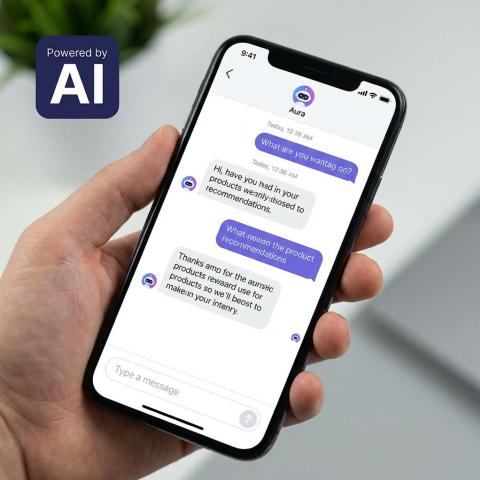
For example, a mobile app connected to a self-checkout solution can inform customers when rewards are available for items they regularly buy or recommend complementary products. Such a degree of personalization improves the shopping experience and boosts customer loyalty.
Features of a Mobile-Integrated Self-Checkout System
However, to enable the optimal functioning of mobile-integrated self-checkout systems in grocery stores, they can be equipped with the following features:
Barcode Scanning: Customers can scan items using their phones.
Integration with Mobile Payments: Compatibility with electronic wallets and mobile payment systems.
Loyalty Program Integration: Access rewards and apply discounts easily.
Digital Receipts: Reduce paper usage by offering digital receipts, aiding in record-keeping.
Easy-to-Use: Design your mobile app to be simple, as shoppers use it across age groups.
Advanced Security: Implement strong measures to prevent unauthorized customer data and transaction access.
With these features, your business can provide clients with a seamless and pleasant self-checkout experience.
Getting Started with the Mobile Integration
Now, if grocery businesses are looking to enhance the better mobile integrated experience at self-checkout, then here are steps they can follow as a roadmap:
Assess Client Necessities: Learn about customers, their shopping propensities, EOS Error Reports, and Pain Points.
Decide on the Right Technology: Pick a dependable self-service checkout solution that enables mobile integration and fits your business objectives.
Training Staff and Customers: Train staff who can help customers adapt to the mobile self-checkout systems.
Drive Adoption: Use signage, in-app messages, and promotions to educate customers (where appropriate) on the benefits of mobile self-checkout.
Feedback Loop: Again, this is a massive topic, but we should never stop monitoring and improving the system if we want it to be successful. Listening to customers and running tests on how it works to substantiate and drive the UX is crucial.
Conclusion
Mobile integration is changing the way customers connect with self-checkout systems in grocery stores. By deploying a mobile self-checkout solution integrated into mobile, grocery businesses can cut down on time to get through the checkout line, improve convenience, and offer a more tailored experience.
In an industry where customer satisfaction is key, mobile technology offers the tools to cater to current requirements and stay ahead of the competition. The future appears bright for self-checkout as grocery businesses remain open to innovation. Incorporating mobile solutions makes the shopping experience smoother and more seamless and guarantees customer loyalty.