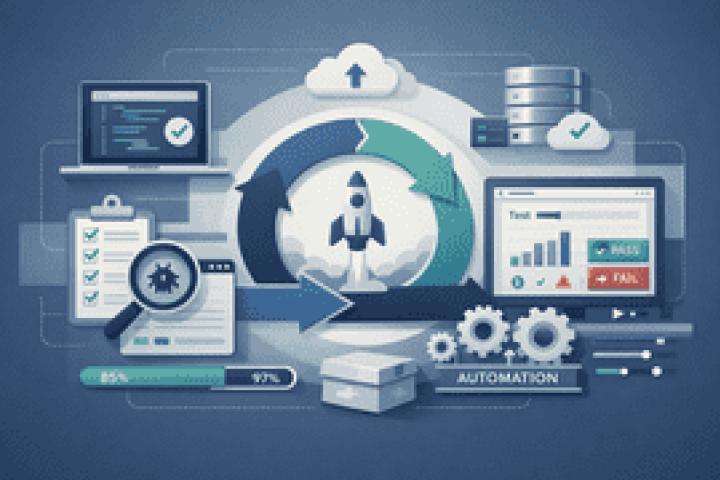
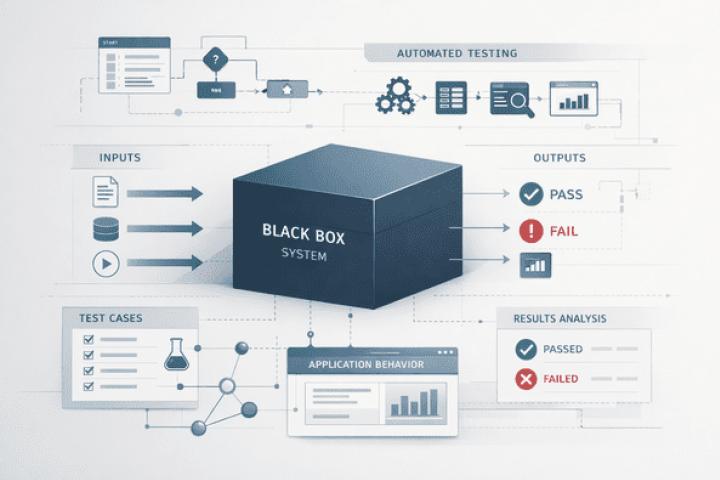
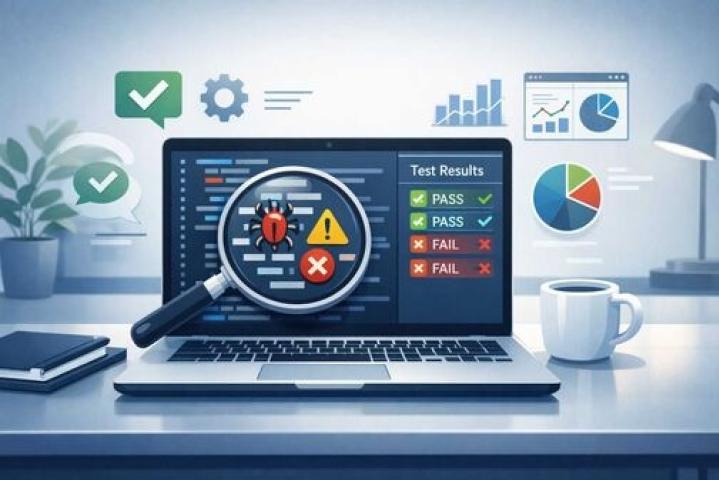
In today's fast-paced digital landscape, the demand for high-quality software is at an all-time high. Companies across all industries are under immense pressure to release reliable, secure, and bug-free applications at a rapid pace. As a result, Software Quality Assurance (SQA) has emerged as one of the most critical components of the software development life cycle (SDLC). But what exactly does Software Quality Assurance training teach you?
Whether you're a fresh graduate, a career switcher, or an IT professional aiming to specialize in quality assurance, SQA training equips you with the skills, tools, and knowledge needed to ensure the development and delivery of high-performing software. This blog post dives into everything you can expect to learn in a comprehensive Software Quality Assurance training program.
1. Introduction to Software Quality Assurance
Every training program begins with a solid foundation. In this introductory module, you will:
- Understand what Software Quality Assurance is and why it matters.
- Learn the differences between Quality Assurance (QA), Quality Control (QC), and Testing.
- Explore the role of QA in the SDLC and Agile models.
- Study real-world QA processes implemented in various organizations.
This foundation helps you appreciate QA not just as a testing activity but as a preventive process woven into every stage of software development.
2. Software Development Life Cycle (SDLC) and QA’s Role
A key part of SQA training involves understanding the Software Development Life Cycle (SDLC) and how QA fits into each phase. You’ll learn:
- Different SDLC models: Waterfall, V-Model, Agile, Spiral, and Iterative
- How QA integrates with each model
- Risk analysis and mitigation
- QA planning and strategy development
Understanding the lifecycle is crucial because quality must be ensured from requirement gathering to final release, not just at the end.
3. Testing Techniques and Methodologies
Testing is a core part of software quality assurance. In this module, you'll dive into:
- Manual Testing: Learn the step-by-step process of testing software without automation tools.
- Test Case Design: Master techniques like boundary value analysis, equivalence partitioning, and decision tables.
- Test Plan Development: Learn how to create effective and comprehensive test plans.
- Test Types: Unit, Integration, System, Acceptance, Regression, Smoke, and Sanity Testing.
- Testing Levels: Understanding different levels of testing ensures that you know where and when to apply each technique.
This module ensures you can approach testing strategically rather than reactively.
4. Automation Testing Fundamentals
With modern software moving toward continuous integration and delivery (CI/CD), automation testing has become essential. Most SQA training programs include:
Basics of test automation and scripting
Introduction to popular automation tools like Selenium, UFT, and TestComplete
Writing and executing test scripts
Understanding test frameworks (Keyword-driven, Data-driven, Hybrid)
Benefits and limitations of automation
You’ll also learn when and what to automate, which is key to an effective automation testing strategy.
5. Bug Life Cycle and Defect Management
A crucial skill QA professionals need is the ability to detect, report, and manage defects. This module covers:
The complete Defect Life Cycle: New → Open → Assigned → Fixed → Retest → Closed
Bug tracking systems and tools like Jira, Bugzilla, and Mantis
Writing effective bug reports with screenshots, logs, and descriptions
Bug severity vs. priority
Collaborating with developers for quicker resolution
This section helps bridge the communication gap between testers and developers and ensures that bugs don’t fall through the cracks.
6. Agile and Scrum in QA
With Agile becoming the standard methodology in most IT companies, QA professionals must adapt to fast-paced development environments. Here’s what you’ll learn:
Agile Testing principles and practices
Role of QA in Scrum teams
Participating in sprints, sprint planning, reviews, and retrospectives
Writing user stories and acceptance criteria
Continuous Integration and Continuous Testing in Agile
QA training prepares you for real-world Agile team collaboration, where adaptability and speed are as important as precision.
7. Testing Tools and Environments
Modern QA is tool-intensive. A good training program offers hands-on exposure to popular QA tools, such as:
Selenium WebDriver (for automation testing)
Jira (for project and defect tracking)
Postman (for API testing)
TestNG and JUnit (test frameworks)
Git (for version control)
Jenkins (for CI/CD pipelines)
Learning these tools boosts your efficiency and prepares you for the actual job environment in tech companies.
8. Performance and Load Testing
Beyond functional correctness, performance matters. Software must handle the expected user load without crashing or slowing down. You’ll learn:
Basics of Performance Testing and Load Testing
Tools like JMeter and LoadRunner
How to design and execute load tests
Interpreting reports and tuning performance bottlenecks
These skills are especially important for web and enterprise applications where performance affects user experience and revenue.
9. API Testing
API testing has become a critical part of QA, especially in microservices and mobile app ecosystems. Training includes:
Introduction to REST and SOAP APIs
Using Postman and SoapUI for API requests and validations
Writing assertions for response codes, headers, and body
Automating API tests
Understanding authentication (OAuth, API keys, Tokens)
API testing ensures backend reliability and seamless integration between services.
10. Database and SQL Basics
Modern applications rely heavily on databases. You’ll learn:
Basic SQL queries (SELECT, INSERT, UPDATE, DELETE)
Data validation against front-end forms
Writing complex queries using JOIN, GROUP BY, and HAVING
Performing backend testing to ensure data integrity
Using tools like MySQL Workbench or SQL Server Management Studio
Database knowledge helps QA testers verify the entire data flow and catch errors that UI testing alone cannot reveal.
11. Security and Usability Testing Basics
In addition to performance and functionality, training programs also introduce:
Security Testing: Identifying vulnerabilities like SQL injection, XSS, and insecure data storage
Usability Testing: Ensuring intuitive user experiences and accessibility
Mobile Testing Basics: Understanding mobile platforms, screen sizes, and device emulators
While deep expertise in these areas may require specialized training, the fundamentals give QA testers a broader scope.
12. Real-Time Projects and Capstone Assessments
Practical exposure is a vital component of software quality assurance training. You’ll typically work on:
Real-world simulation projects
End-to-end testing of a web or mobile application
Writing complete test plans, test cases, and test scripts
Participating in a mock sprint cycle (Agile simulation)
Using version control systems and CI tools
This experience allows you to apply everything you’ve learned in a controlled but realistic environment, building confidence and strengthening your resume.
13. Soft Skills and Documentation
QA professionals must be great communicators and collaborators. Soft skills training includes:
Writing clear and concise test cases and bug reports
Communicating with cross-functional teams
Reporting and presenting QA metrics to stakeholders
Handling feedback constructively
Documentation and communication are often the deciding factors between a good and great QA tester.
14. Preparation for Certification Exams
If you’re aiming for professional certification, many QA training programs prepare you for popular industry-recognized exams like:
ISTQB Foundation Level
Certified Software Quality Analyst (CSQA)
Certified Agile Tester (CAT)
Certified Selenium Professional
These credentials validate your skills and increase your job market value.
Conclusion:
Quality assurance courses online training is not just about learning how to test software. It's about understanding the big picture, ensuring that applications are reliable, user-friendly, secure, and ready for the real world. With the right training, you'll be equipped to:
Master both manual and automation testing techniques
Collaborate within Agile teams effectively
Work with industry-standard tools and methodologies
Launch a successful QA career in tech
If you're passionate about software, have a keen eye for detail, and enjoy solving problems, QA could be the ideal career for you. And the best part? With increasing demand for skilled QA professionals across industries, the opportunities are endless.
Key Takeaways
SQA training provides a comprehensive understanding of manual and automation testing techniques.
You gain hands-on experience with essential tools like Selenium, Jira, Postman, JMeter, and more.
Real-time projects and industry-standard practices prepare you for job readiness.
Training also covers Agile methodologies, API testing, database testing, and security basics.
Certification readiness boosts your professional credibility and job opportunities.
Ready to begin your journey into Software Quality Assurance? Enroll in a top-rated QA training program today and step into a future-proof tech career!
Read More Blogs: Software Testing, SQL Interview Questions