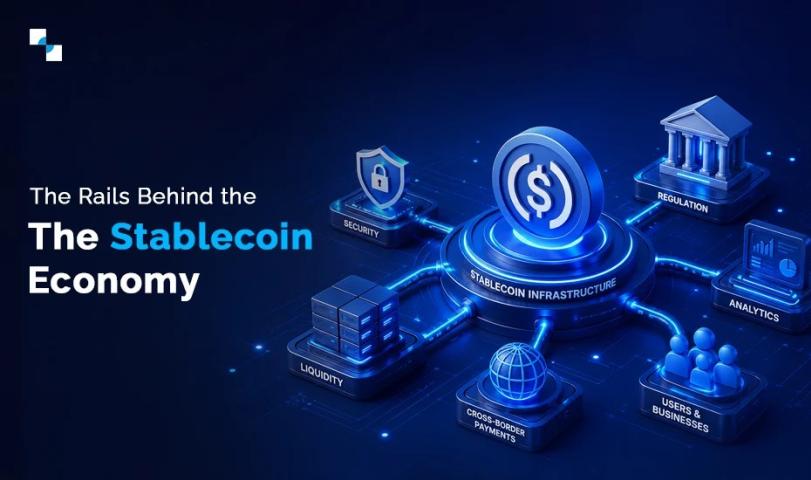

In the ever-evolving digital economy, stablecoins have emerged as a vital bridge between the traditional financial system and the decentralized world of blockchain. These crypto-assets are designed to offer price stability by pegging their value to a reserve of assets like fiat currency, commodities, or even other cryptocurrencies. With increasing demand for decentralized financial solutions, businesses are now exploring how to build a stablecoin that is secure, scalable, and regulatory compliant.
However, the path to launching a successful stablecoin is intricate. This is where choosing a reliable, stablecoin development company becomes crucial. But with countless blockchain firms claiming to offer top-tier services, how can you distinguish a reliable partner from the rest?
This blog delves into the key features to consider when selecting a stablecoin development company that aligns with your business goals.
Understanding the Basics: What Is a Stablecoin?
Before discussing the criteria for choosing a development partner, it’s important to understand what distinguishes stablecoins.
Stablecoins are digital assets designed to minimize price volatility. They are typically backed by:
Fiat currency (e.g., US Dollar, Euro) – known as fiat-collateralized stablecoins.
Cryptocurrency – crypto-collateralized stablecoins.
Commodities (e.g., gold) – commodity-backed stablecoins.
Algorithms – non-collateralized or algorithmic stablecoins that rely on smart contracts and mechanisms to control supply and demand.
The goal is to combine blockchain's transparency and security with traditional currencies' stability.
Why Businesses Are Exploring Stablecoin Development
Stablecoins have become essential in various sectors:
Cross-border payments: Faster and cheaper than traditional banking systems.
DeFi applications: Serve as the foundation for lending, borrowing, and staking.
eCommerce platforms: Enable seamless digital payments.
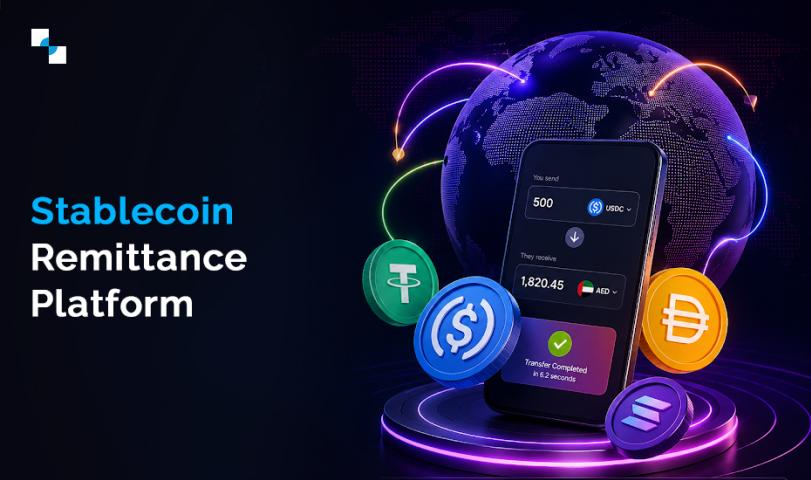
Remittance services: Offer users a stable medium of exchange.
Given its utility, many startups and enterprises are exploring how to build a stablecoin tailored to their business needs. But creating one is not just about coding—it involves compliance, economics, architecture, and more. This is where a trusted stablecoin development company comes into play.
Key Features to Look for in a Reliable Stablecoin Development Company
1. Expertise in Blockchain and Smart Contract Development
At the core of any stablecoin is its smart contract logic, which governs how tokens are minted, burned, or transferred. A reliable company should have deep expertise in:
Ethereum, Binance Smart Chain, Polygon, and other major blockchains.
Solidity and Rust for smart contract coding.
Cross-chain integrations.
Security audits and vulnerability testing.
Their technical team should create transparent, verifiable, and tamper-proof smart contracts proficiently.
2. Customized Stablecoin Development Services
Stablecoin models are not one-size-fits-all. Depending on your use case, you might need:
Fiat-backed stablecoins for business transactions.
Crypto-backed stablecoins for DeFi platforms.
Algorithmic stablecoins for decentralized governance.
A reliable stablecoin development company offers customized solutions based on your tokenomics, collateral strategy, regulatory landscape, and user demographics.
3. Regulatory and Compliance Guidance
One of the most complex aspects of stablecoin development is regulatory compliance. Financial authorities worldwide are setting new rules for stablecoins, especially those pegged to fiat currencies.
Look for a development partner who provides:
Legal consultation on stablecoin issuance.
KYC/AML integration.
Adherence to jurisdictional guidelines (e.g., SEC, FinCEN, GDPR).
Transparent audits and reporting protocols.
Without proper legal structuring, your project could face significant roadblocks or penalties.
4. End-to-End Development Capabilities
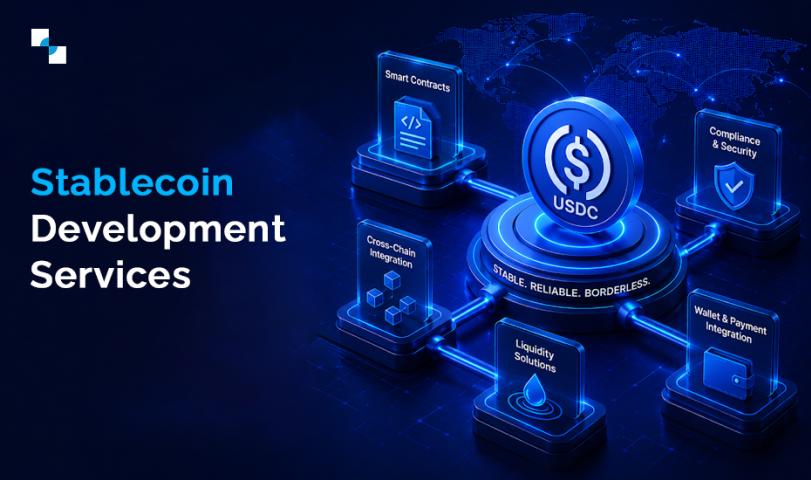
From ideation to deployment, a dependable company should offer end-to-end stablecoin development services, including:
Business analysis and token design.
UI/UX design for wallet and dashboard interfaces.
Backend infrastructure for wallet management and liquidity.
Integration with exchanges and payment gateways.
Ongoing support and maintenance.
This full-cycle approach ensures that every technical and business requirement is addressed cohesively.
5. Proven Portfolio and Client Testimonials
Past performance is a strong indicator of future capabilities. Ask potential vendors to provide:
Case studies of past stablecoin projects.
Client testimonials and success stories.
Live demo of previously developed platforms.
Performance metrics and uptime statistics.
Companies that successfully deploy stablecoins in various domains (e.g., fintech, gaming, DeFi) will likely offer more robust, scalable, and secure solutions.
6. Security and Smart Contract Audits
Given the value associated with stablecoins, they are prime targets for hackers. Your development partner must take security seriously, providing:
Regular code audits and vulnerability assessments.
Secure coding practices.
Bug bounty programs.
Penetration testing of wallet and smart contracts.
Security should be embedded into every development layer — from token logic to API endpoints.
7. Scalable Architecture
A stablecoin may start small, but scalability is vital as user adoption increases. Reliable development firms design with:
Modular architecture for future upgrades.
Multi-chain compatibility for broader reach.
Load balancing and efficient APIs for real-time performance.
Interoperability with existing systems and wallets.
This ensures that your stablecoin can grow with your business without compromising performance.
8. Transparent Development Process
Transparency in communication and delivery is key to a successful partnership. A good company will offer:
Agile development methodology.
Weekly sprints and updates.
Dedicated project managers.
Real-time dashboards and milestone tracking.
This keeps you informed and in control throughout the development lifecycle.
9. Post-Launch Support and Upgrades
A stablecoin project doesn't end with deployment. You'll need:
Ongoing support for bug fixes and performance tuning.
Upgrades as per regulatory changes.
Monitoring of smart contracts.
Technical support for your end-users.
Long-term commitment reflects the company's confidence in its solution and dedication to client success.
10. Competitive Pricing and Flexible Engagement Models
Cost is always a concern, but the cheapest option isn’t always the best. A good company offers:
Transparent pricing with no hidden fees.
Fixed, hourly, or dedicated team engagement models.
Value-based pricing for long-term collaboration.
You should choose a model that suits your budget without compromising quality.
How to Build a Stablecoin: Key Steps to Get Started
Understanding how to build a stablecoin requires strategic planning and technical execution. Here are the essential steps:
Define your purpose: For payments, trading, or internal use?
Choose your peg model: Fiat, crypto, commodity, or algorithmic?
Design tokenomics: Decide on minting/burning logic, reserve management, and distribution strategy.
Select a blockchain: Ethereum, Binance Smart Chain, Solana, etc.
Develop smart contracts: Code, test, and audit thoroughly.
Integrate wallets and platforms: Ensure user-friendly access.
Ensure compliance: Register with authorities if needed.
Launch and market: Promote your stablecoin across relevant channels.
Monitor and update: Ensure performance, security, and compliance.
Partnering with a reliable stablecoin development company simplifies these steps by offering technical, legal, and operational expertise under one roof.
Final Thoughts
The future of finance is shifting toward decentralized, digital solutions, and stablecoins are at the center of this transformation. Building a stablecoin can give you a competitive edge in today's economy, whether you're a fintech startup, a global enterprise, or an eCommerce platform.
However, the success of your stablecoin project largely depends on the development partner you choose. By focusing on companies with robust technical capabilities, regulatory knowledge, security standards, and proven success, you can set your project on the path to long-term sustainability.
If you're exploring how to build a stablecoin and looking for a trusted development partner, Suffescom Solutions offers industry-leading expertise, tailored solutions, and a comprehensive roadmap to help you launch a stablecoin that is secure, compliant, and scalable.