
Is the EV Charging Station Business Profitable?
As electric vehicles (EVs) rapidly grow in popularity, driven by environmental concerns, government incentives, and advancements in battery technology, a crucial question arises for entrepreneurs and investors: Is the EV charging station business profitable? This question is key as the demand for EV infrastructure rises, and understanding the factors that influence profitability is essential for success in this burgeoning industry.
What Are EV Charging Stations?
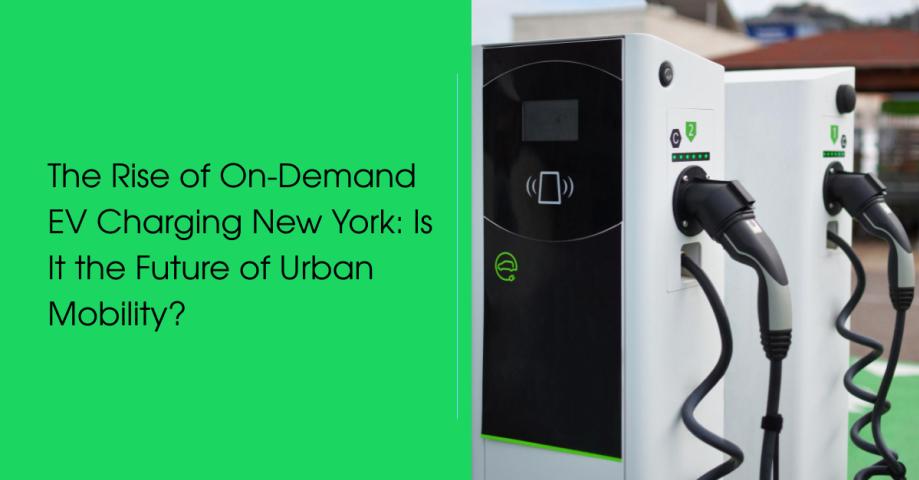
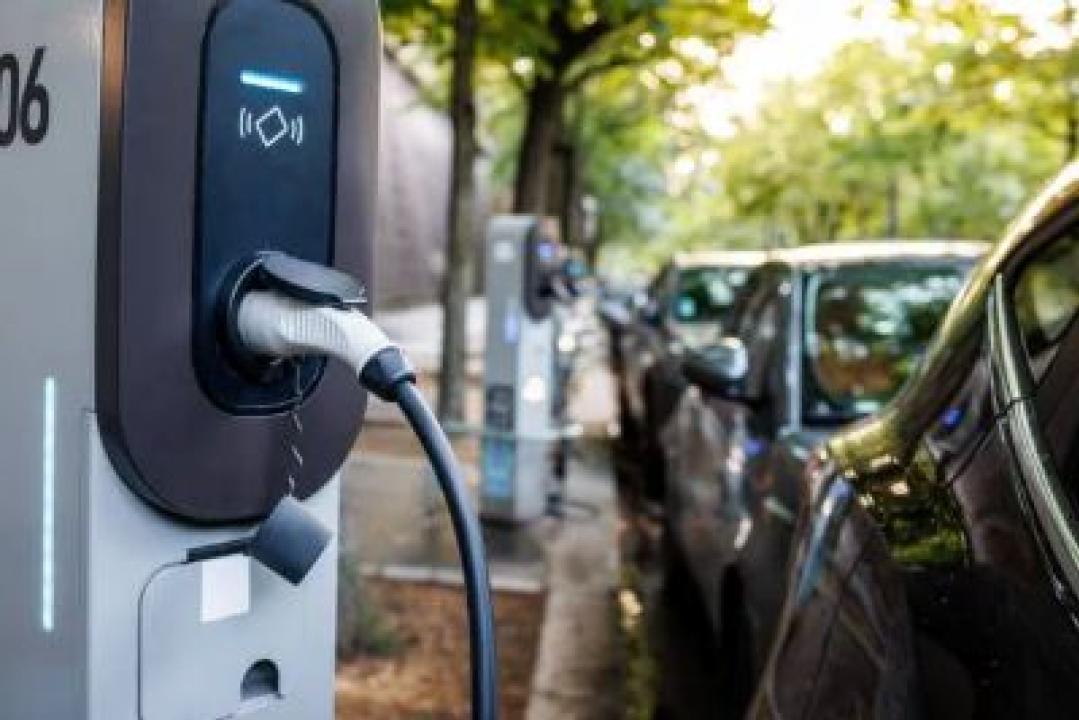
Electric Vehicle Charging Stations (EVSE) are critical for powering electric vehicles, similar to how gas stations fuel conventional cars. EV charging stations are classified into three main types:
-
Level 1 Chargers: These use standard 120-volt household outlets, offering a slow charge, adding about 2 to 5 miles per hour.
-
Level 2 Chargers: Operating on 240 volts, these chargers are common in homes and public spaces, providing 10 to 60 miles of range per hour.
-
DC Fast Chargers (DCFC): These high-powered chargers can recharge an EV to 80% in 20-30 minutes, typically found in commercial settings along highways or in urban centers.
Each of these types offers different opportunities for businesses to invest, whether through home installations, destination chargers, or large-scale public stations.
A Rapidly Expanding Market
The demand for EV charging infrastructure is growing exponentially. According to McKinsey & Company, by 2030, the U.S. alone will require 28 million charging ports, a tenfold increase from 2022's 2.5 million. The push for electrification by automakers and government-backed programs like the Bipartisan Infrastructure Law and NEVI initiative are driving this demand further.
However, while growth is strong, the real question is whether this boom translates into profitability.
The Economics of EV Charging Stations
High Initial Investment: Installing a DC fast charger can cost anywhere from $40,000 to over $100,000, depending on various factors like equipment, location, and permitting. Level 2 chargers are cheaper but still require substantial investment for hardware and installation.
Utilization Rate: Profitability is primarily determined by the utilization rate—the amount of time a charging port is actively in use. High-use stations with a 15-20% utilization rate can generate enough revenue to cover expenses. However, many stations underperform, with less than 5% utilization, which makes breaking even difficult.
Revenue Streams and Business Models
To achieve profitability, many EV charging businesses diversify their revenue sources:
-
Pay-Per-Use: Charging stations often charge users by the kilowatt-hour (kWh), per session, or by the minute. Rates typically range from $0.20 to $0.60 per kWh.
-
Subscription Models: Monthly memberships, offering discounted rates for frequent users, help stabilize income.
-
Partnerships: Locations like hotels, shopping centers, and restaurants install chargers to attract customers, even if the chargers themselves don’t generate direct profit.
-
Advertising and Sponsorship: Digital screens on charging stations can serve as advertising platforms, generating additional revenue.
-
Carbon Credits and Incentives: In areas with carbon trading, operators can sell carbon credits, and government incentives can help reduce initial investment costs.
Challenges and Risks
The path to profitability is not without its challenges:
-
High Demand Charges: Fast chargers often incur substantial demand charges, which can cut into profits.
-
Grid Capacity: Some locations lack the infrastructure to support multiple fast chargers, requiring costly upgrades.
-
Location and Competition: Like gas stations, charging stations need to be placed strategically. Poor locations or oversaturated markets can lead to low utilization.
Real-World Examples and the Future
Successful ventures like Tesla’s Supercharger Network have set high standards for profitability, driven by high utilization rates and brand loyalty. Other companies like Volta have pioneered ad-supported models, while convenience stores such as 7-Eleven capitalize on foot traffic from charging customers.
As technology improves, faster chargers and better energy management systems are expected to boost profitability by increasing throughput and reducing operational costs. Government incentives and industry-wide interoperability also promise to enhance returns for investors.
Conclusion
The EV charging station business can indeed be profitable, but success requires careful planning, smart locations, and efficient operations. With growing demand and a shifting market, businesses that invest wisely in this sector today could position themselves for long-term success. The road to profitability may be challenging, but with the right strategy, it is very much within reach.